1/84
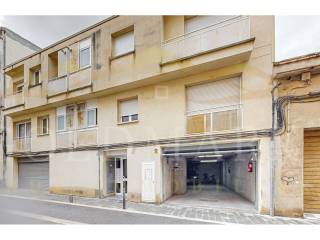
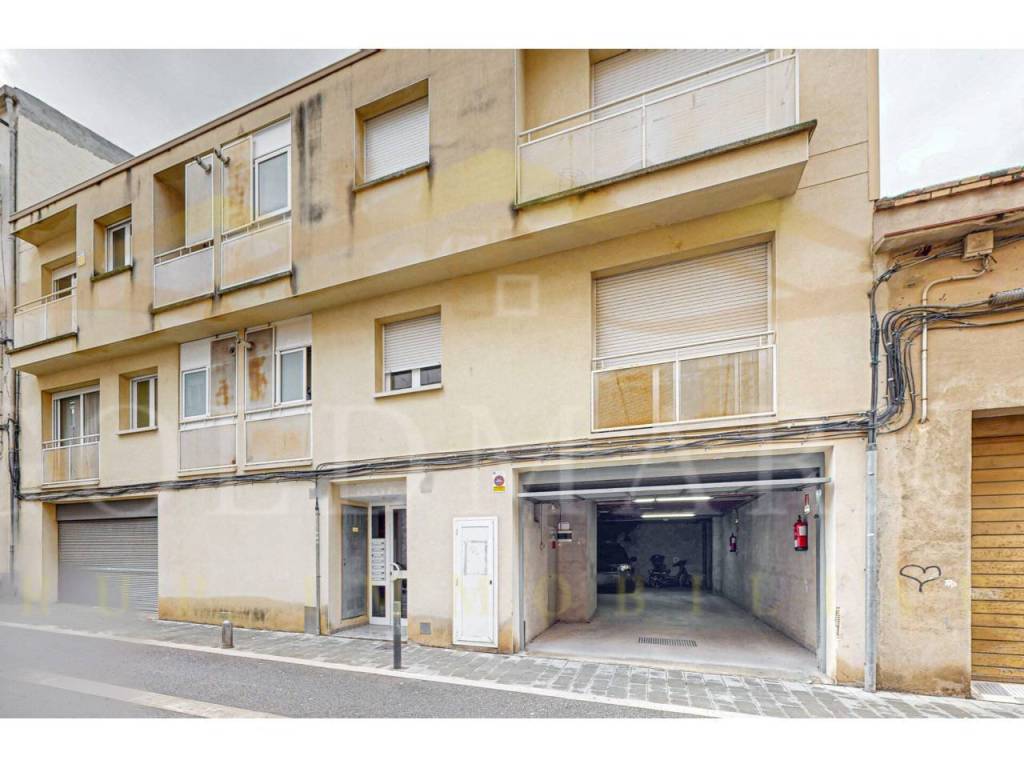
Duplex Sant Isidre 20, Vilanova del Camí
€ 230,000
Listing updated on 10/11/2026
Description
reference: ATIC0010
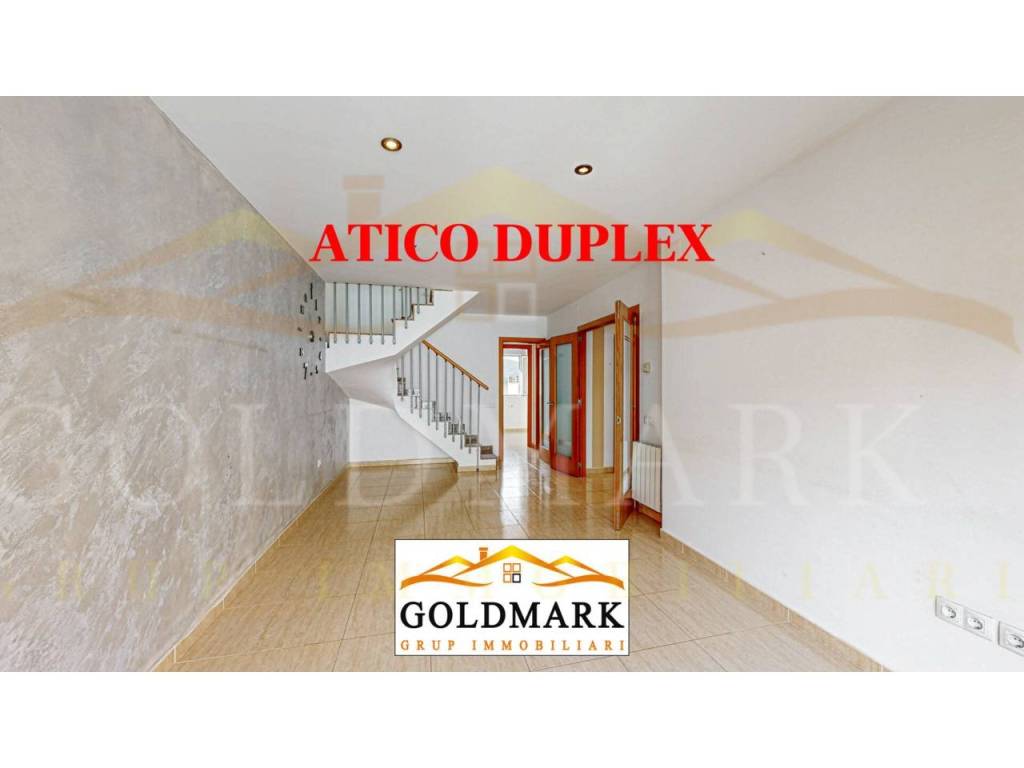
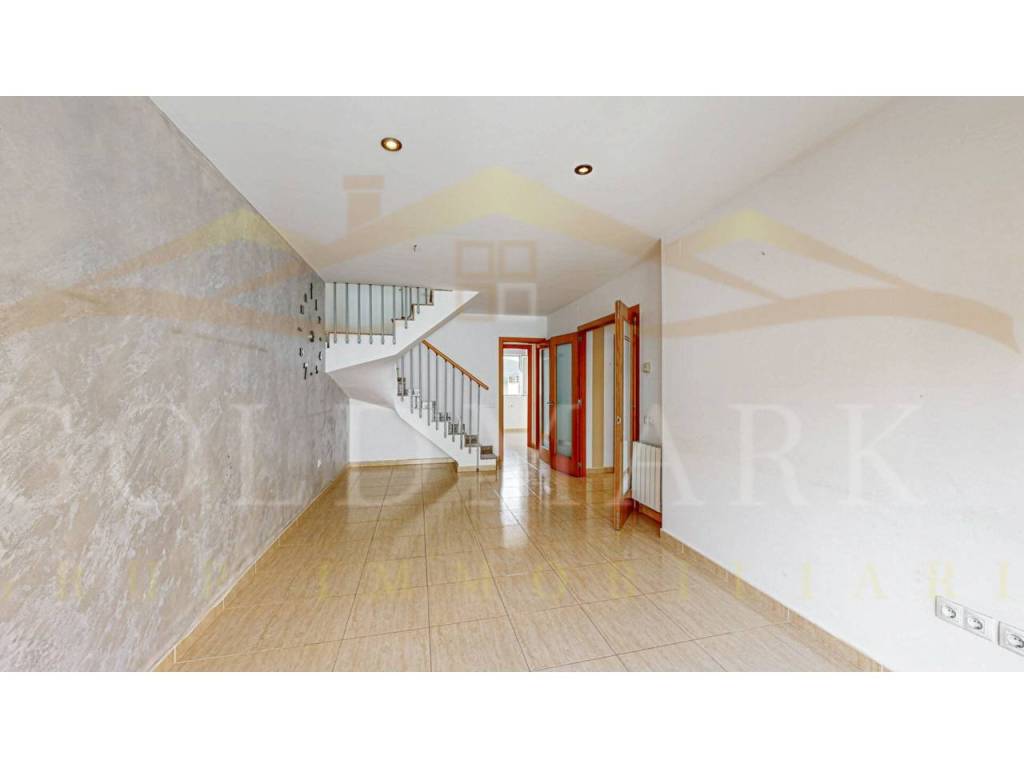
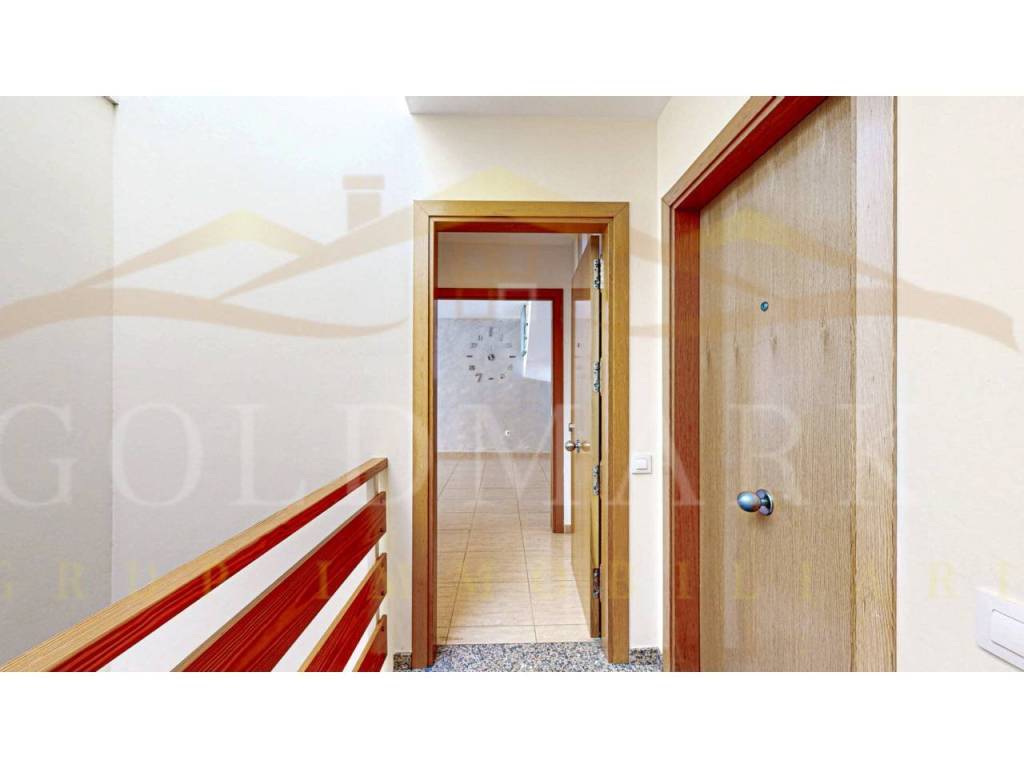
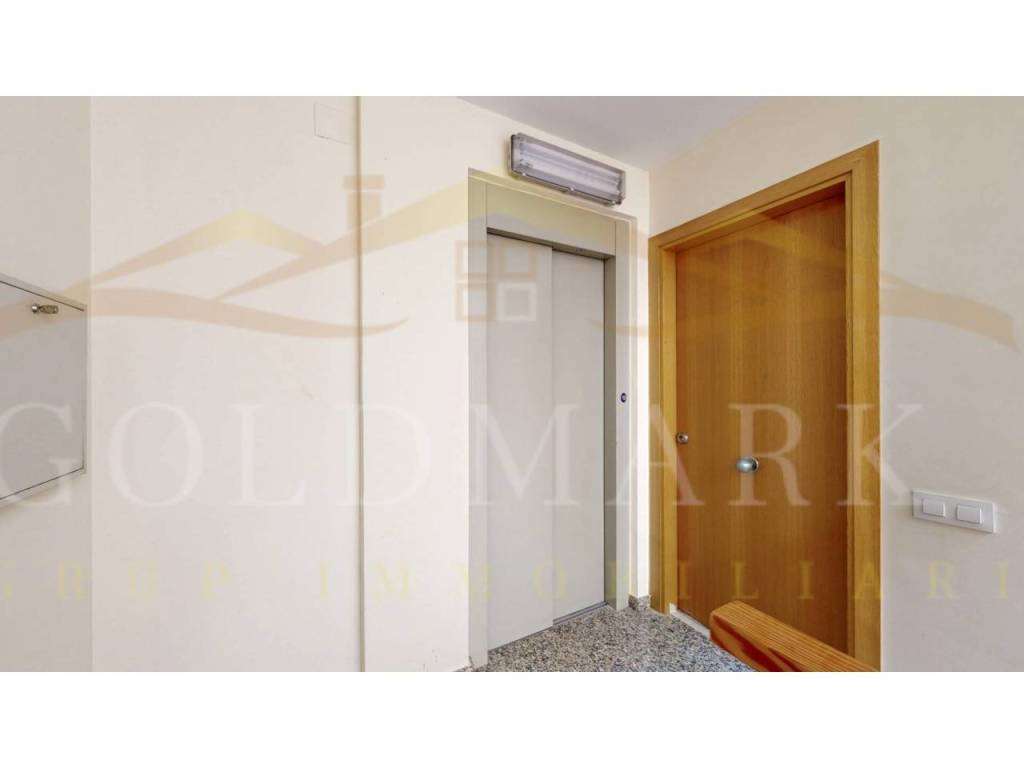
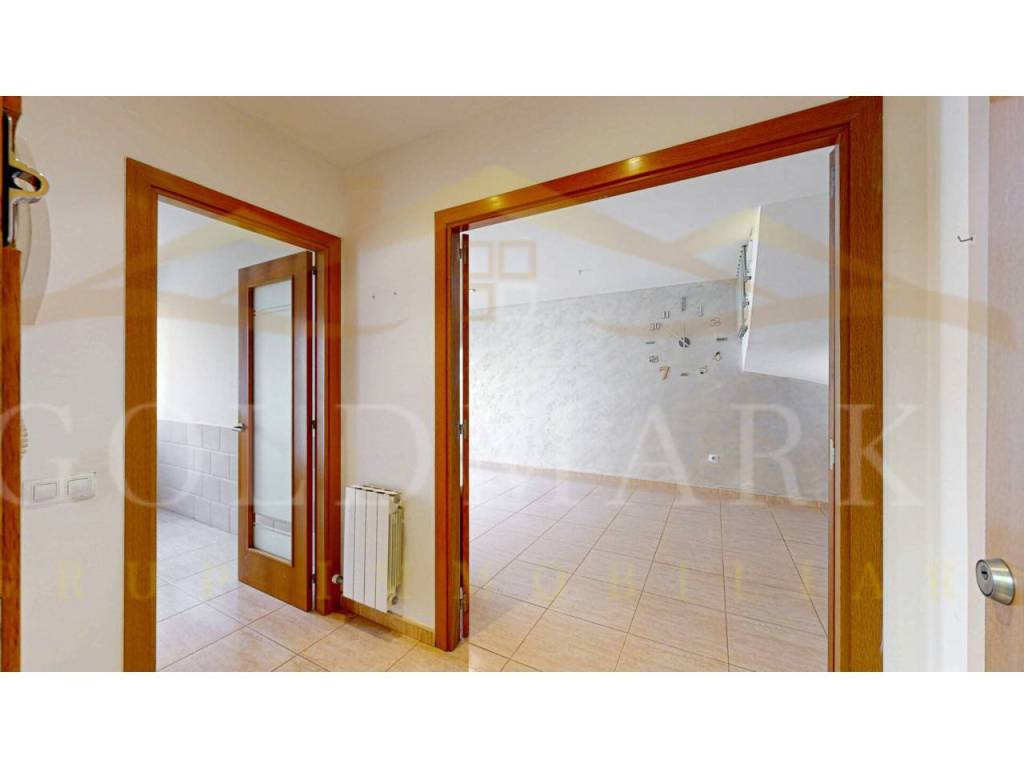
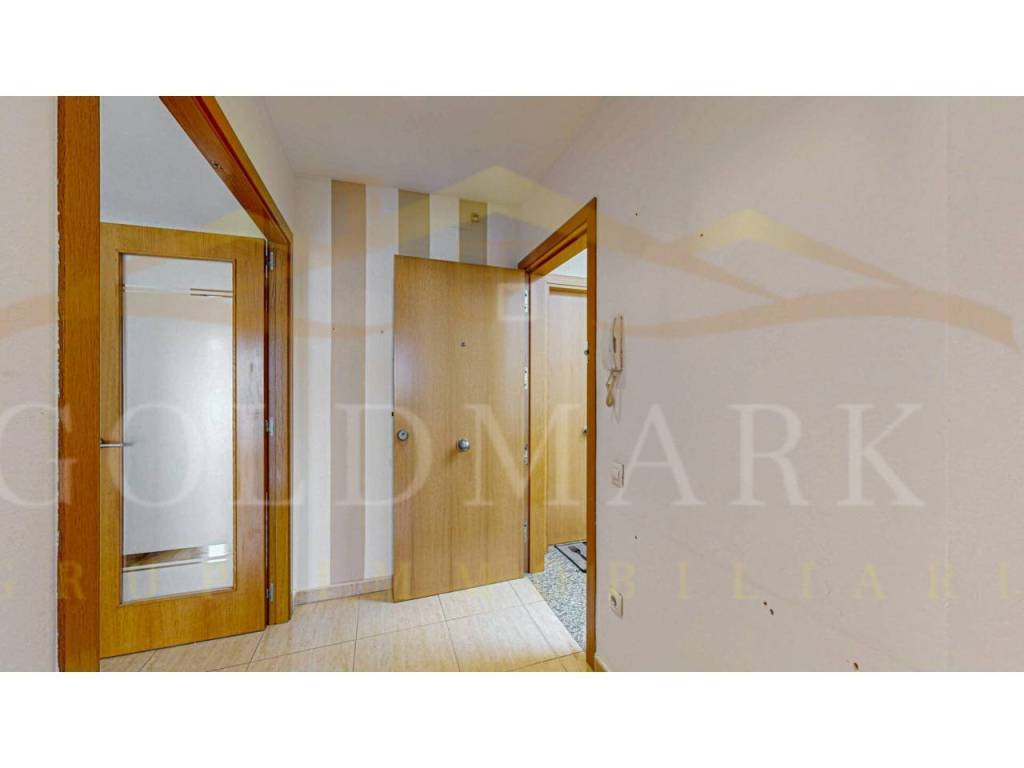
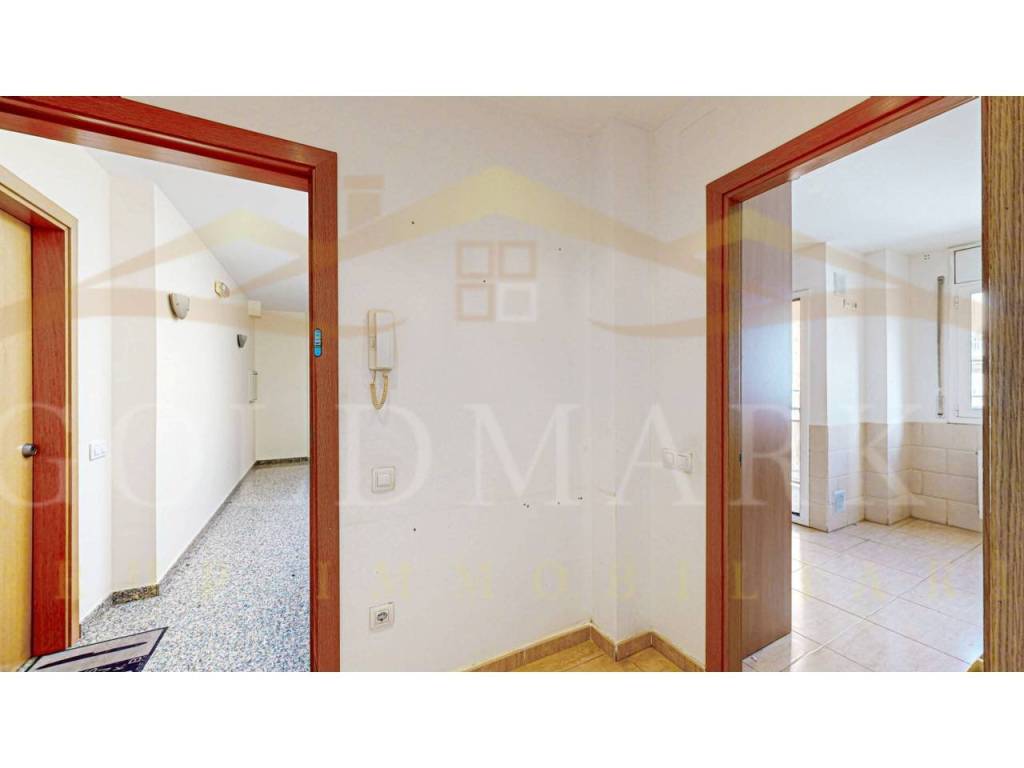
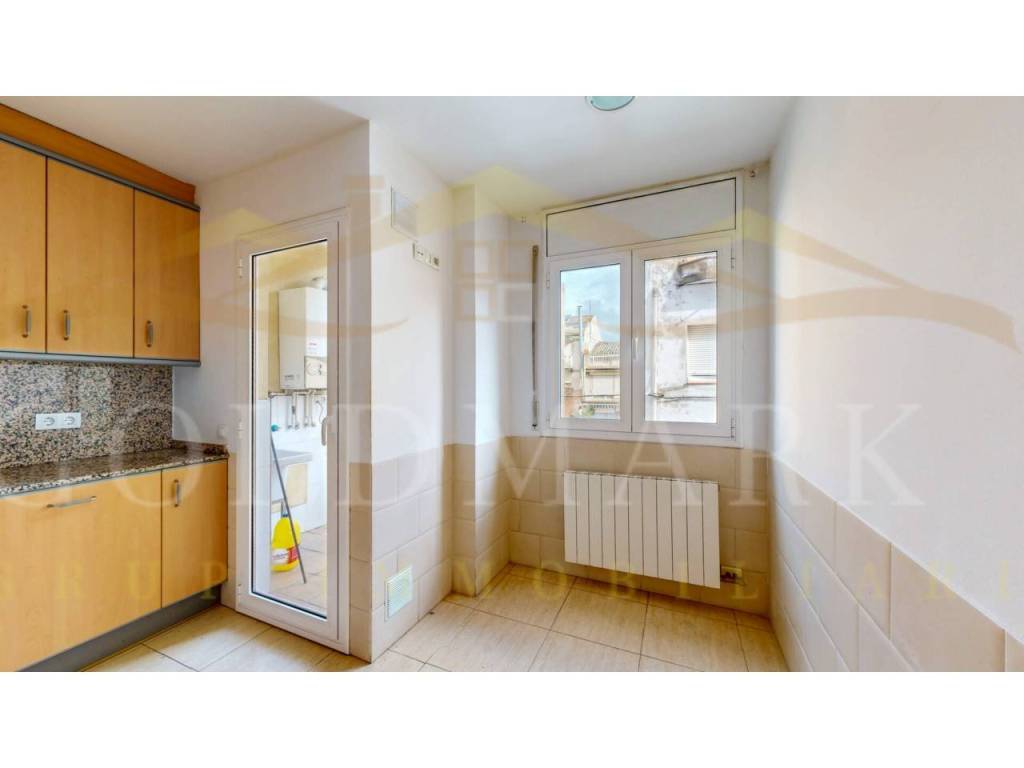
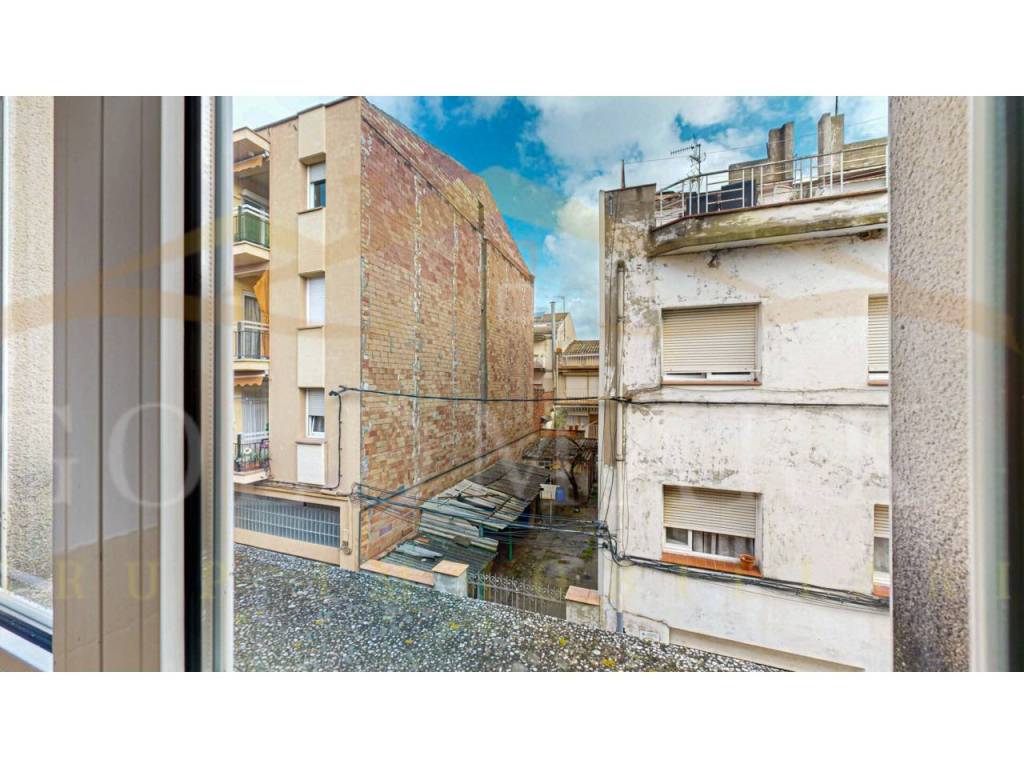
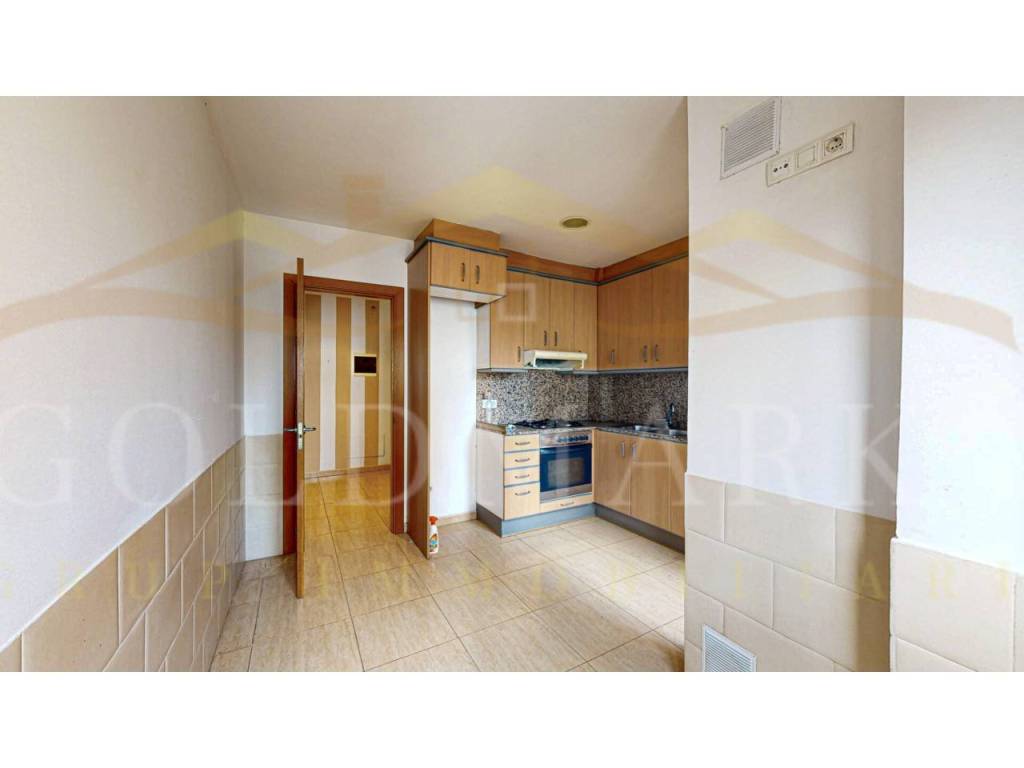
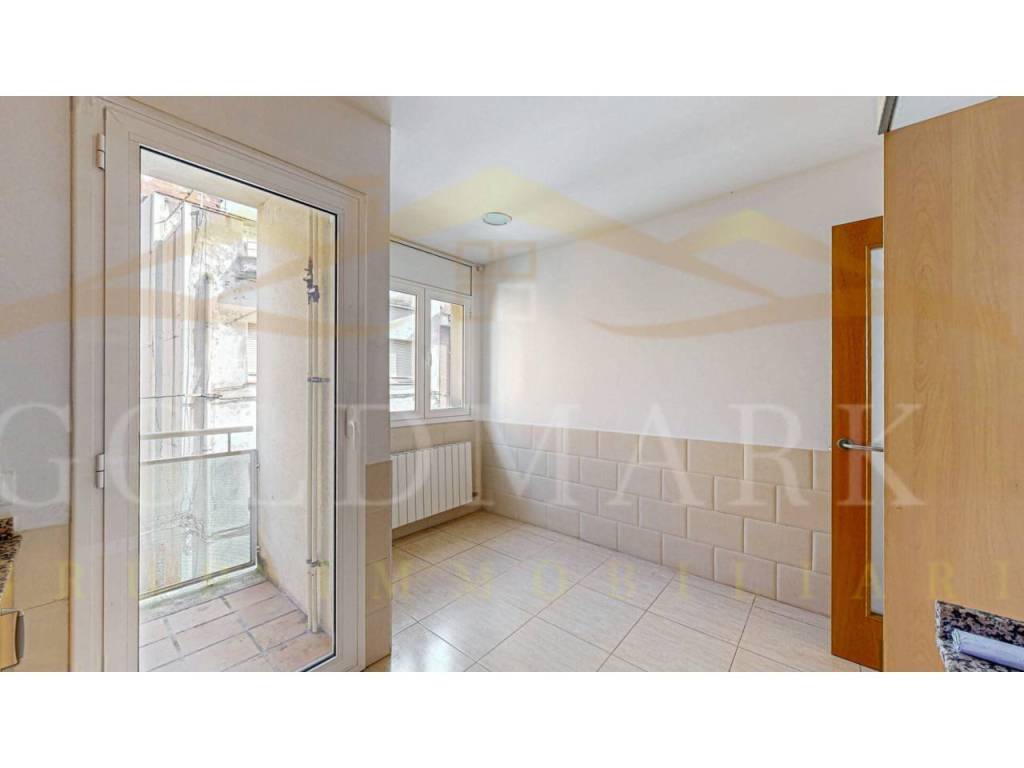
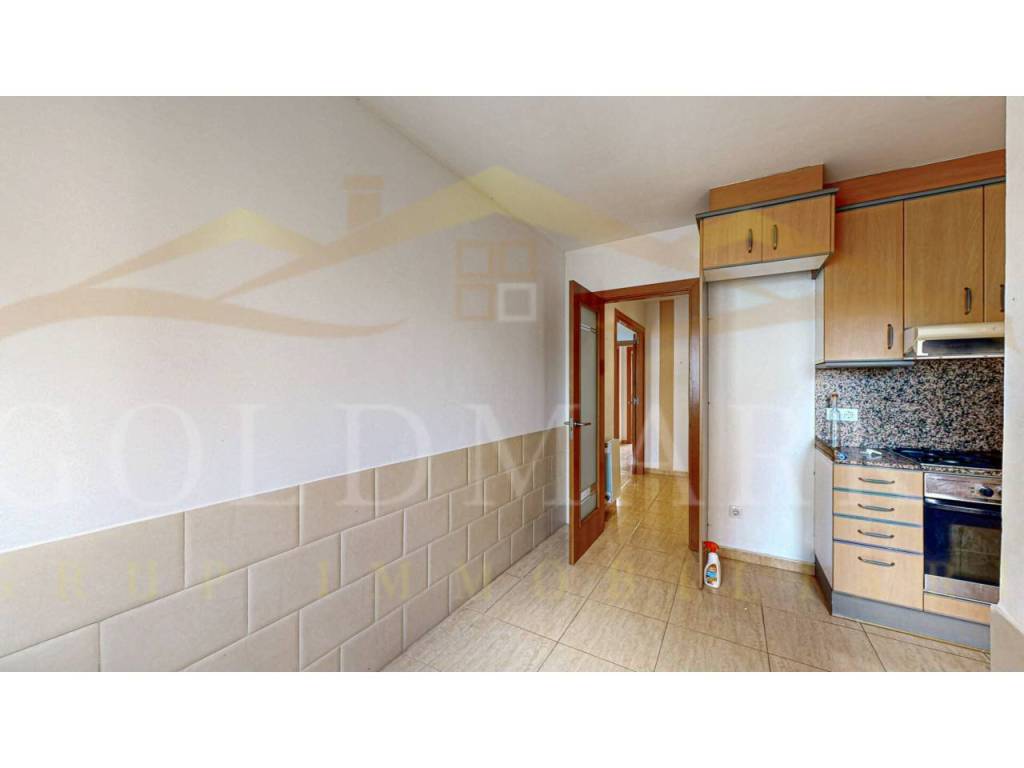
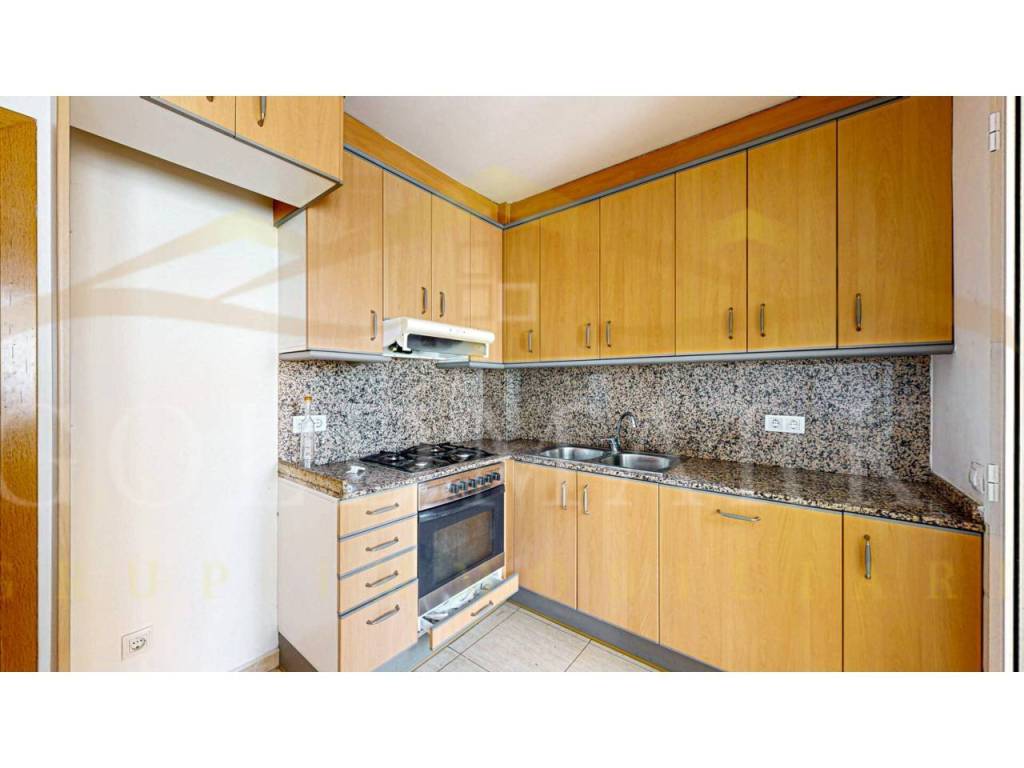
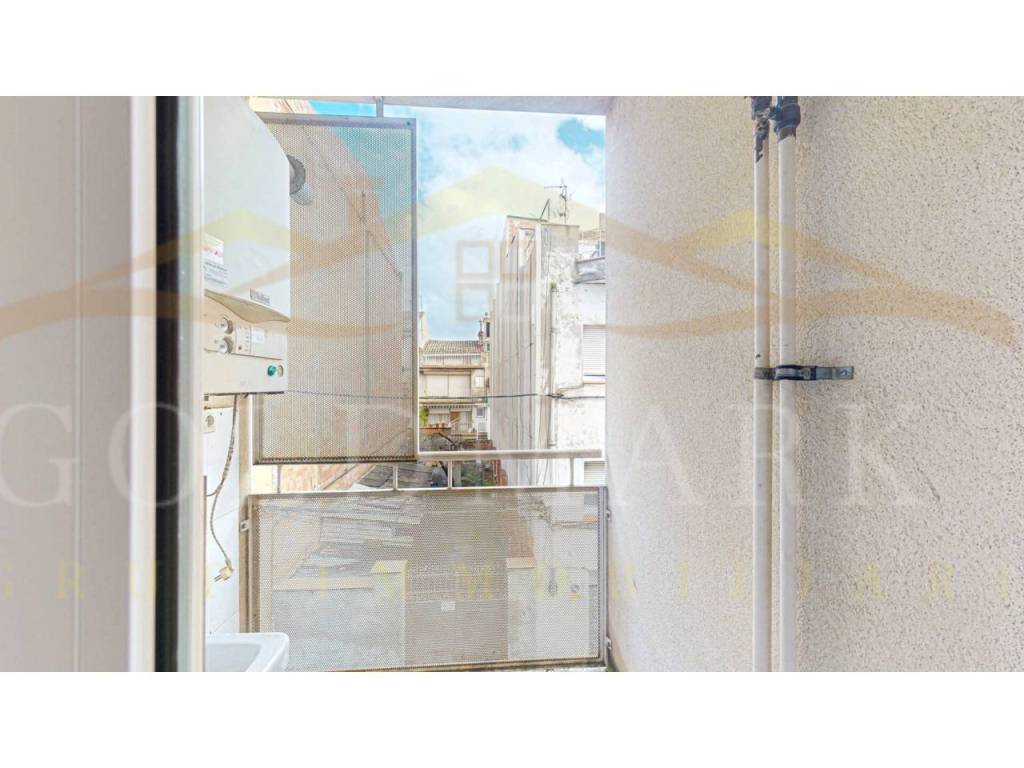
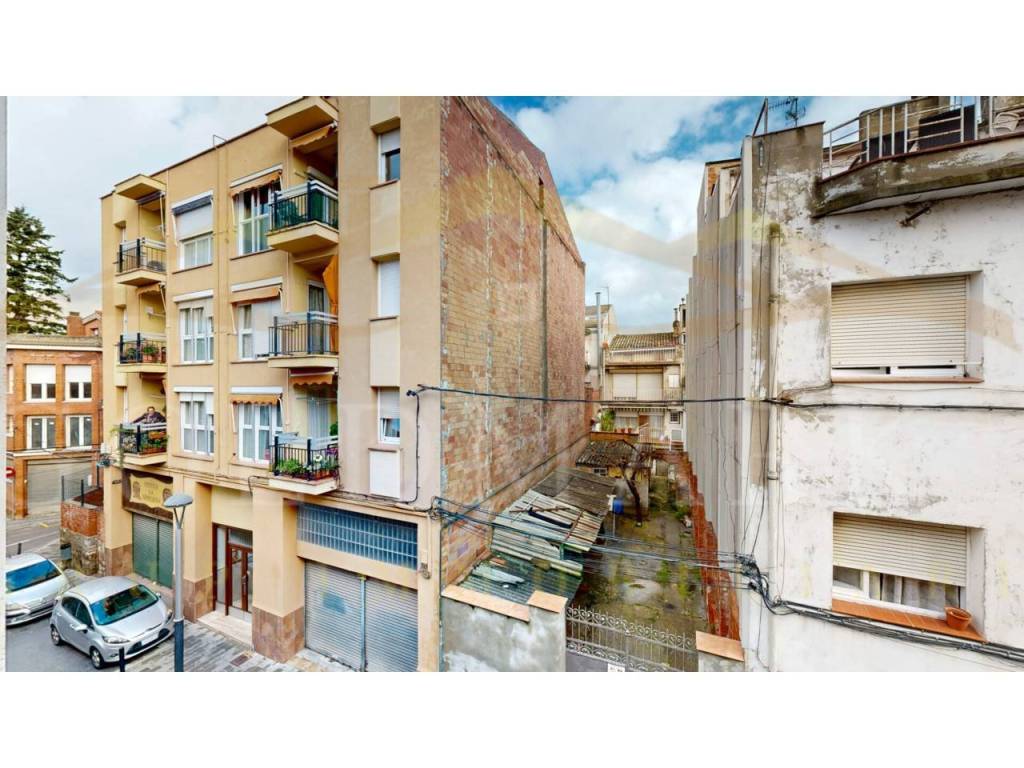
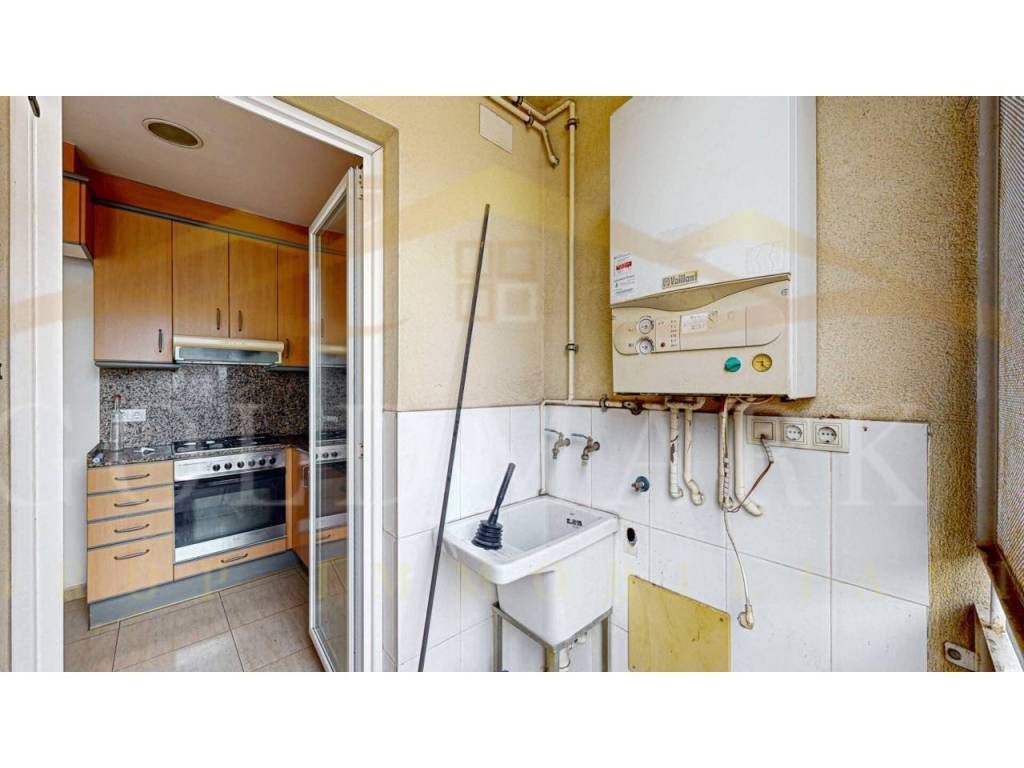
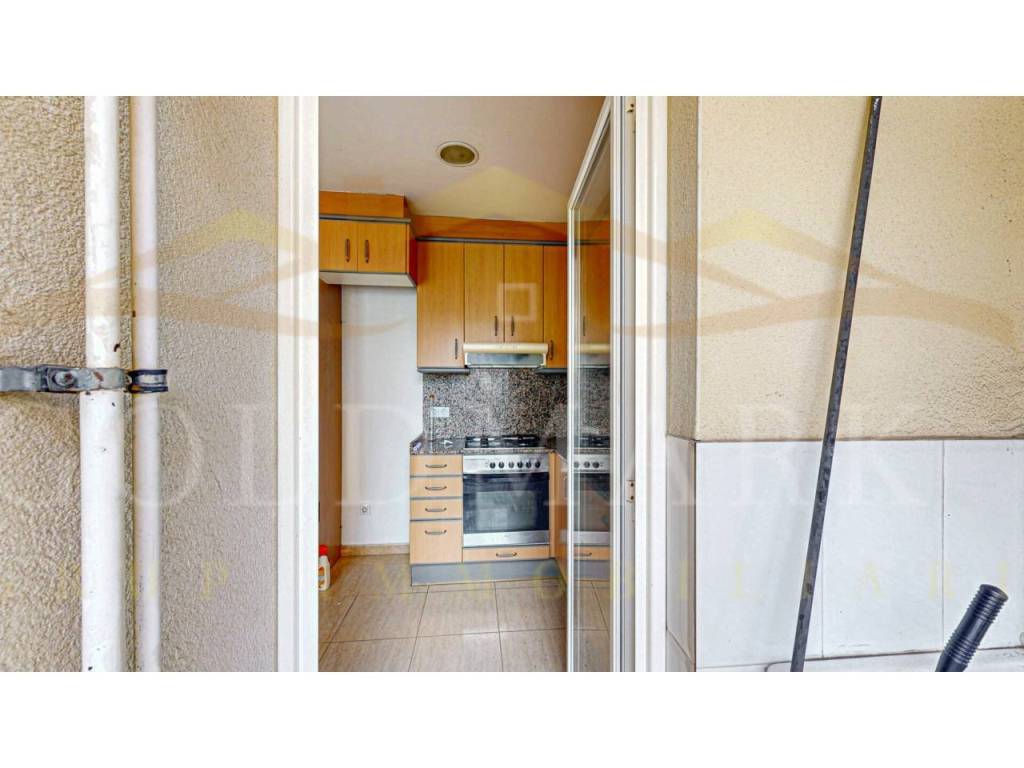
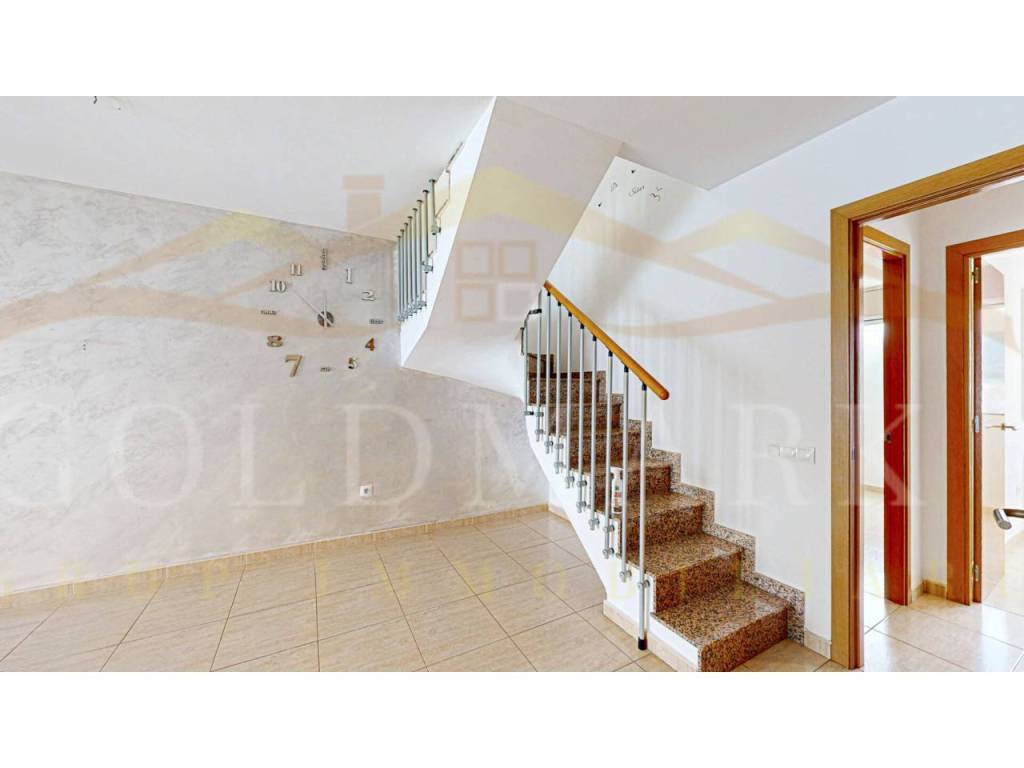
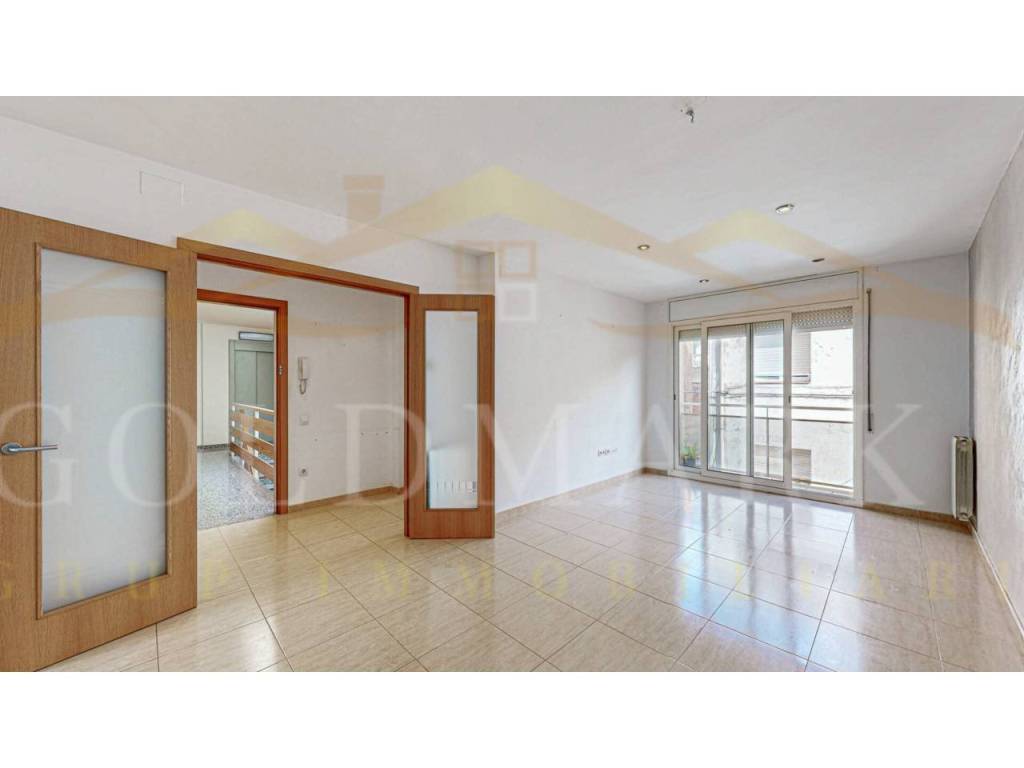
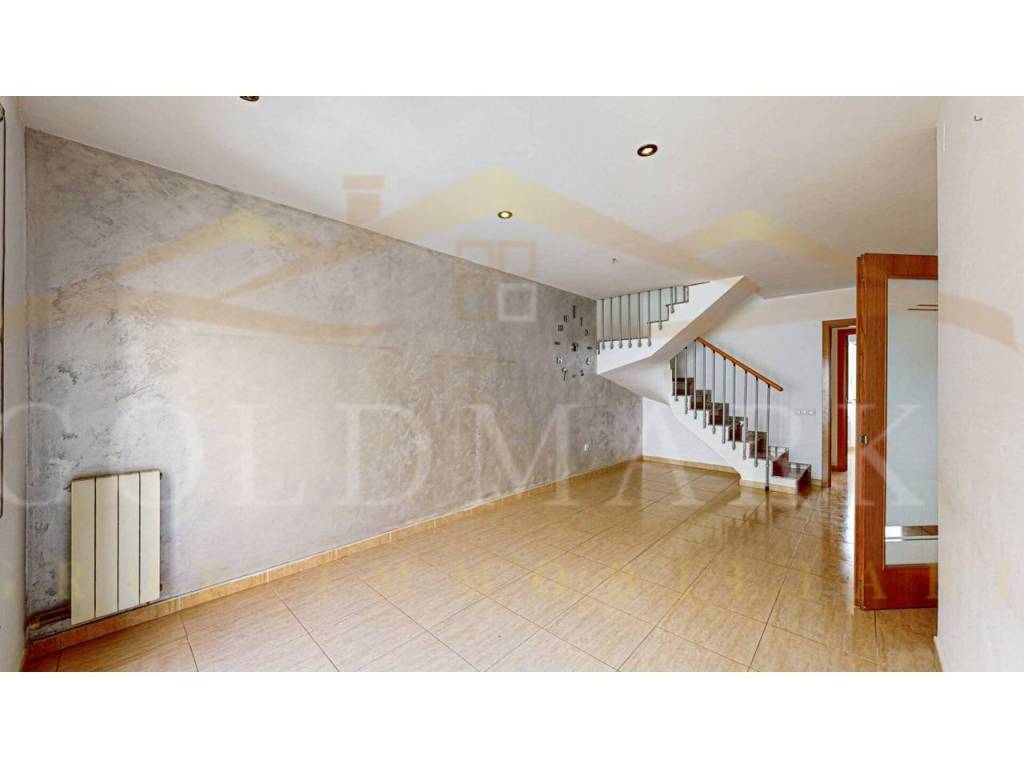
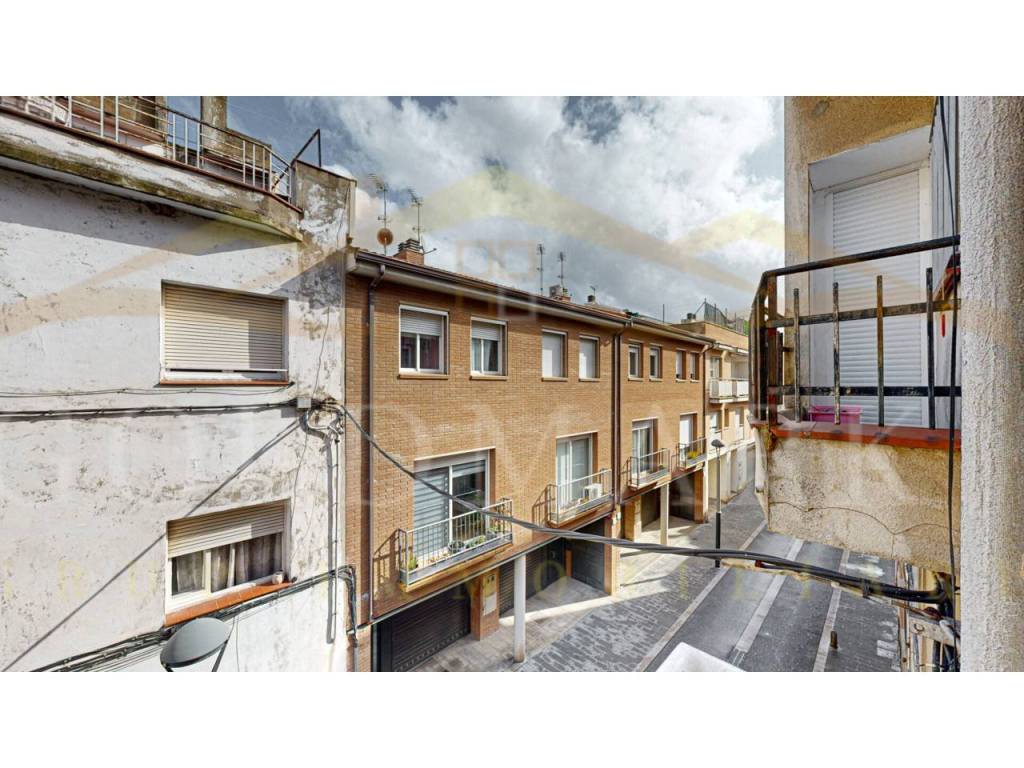
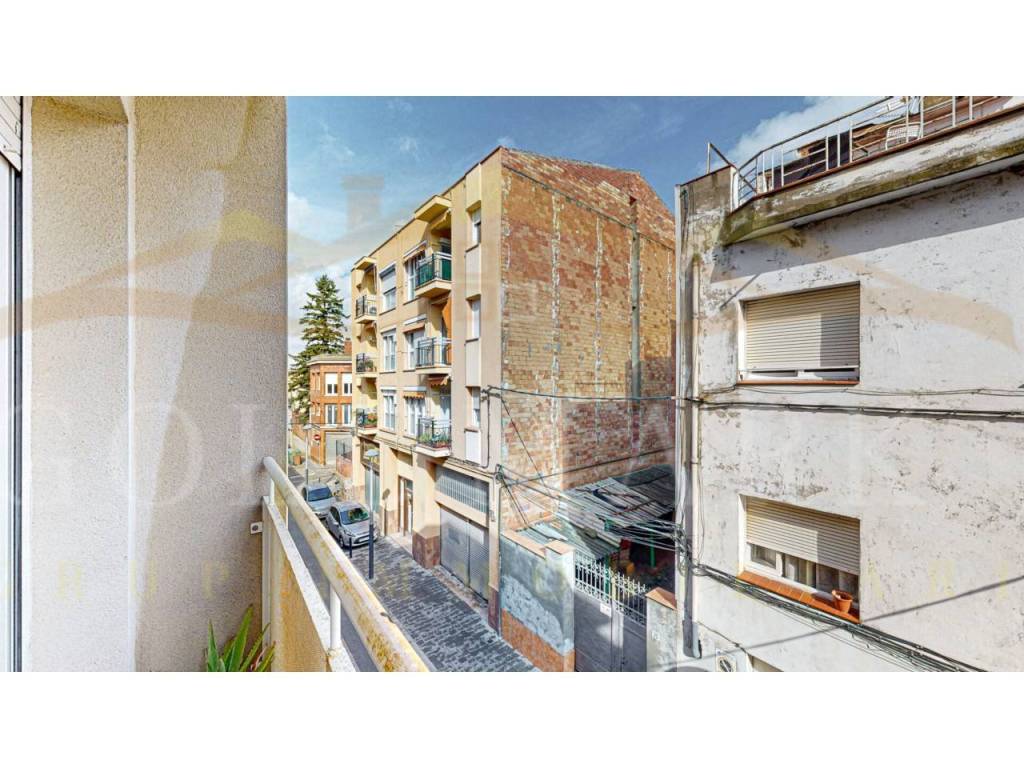
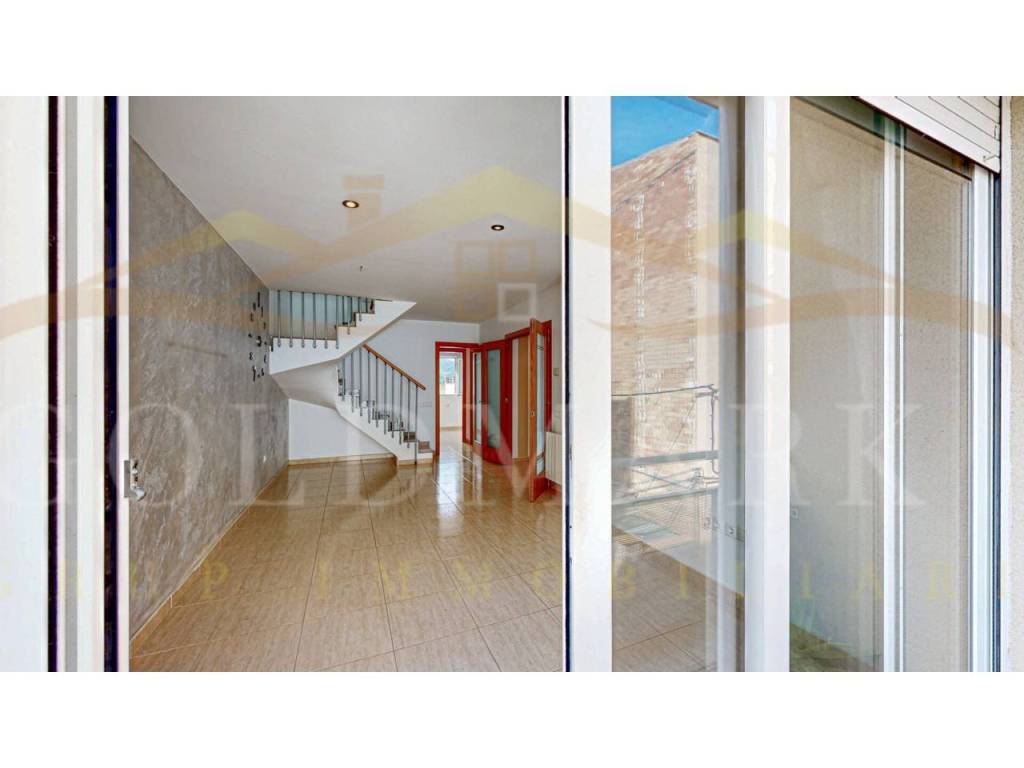
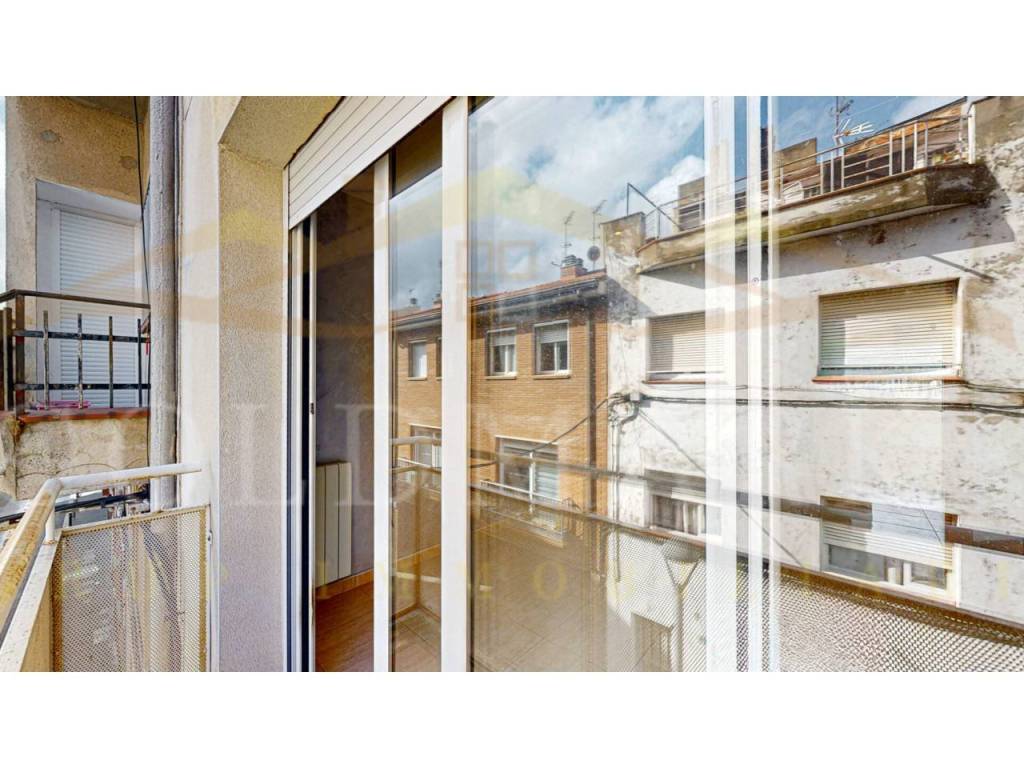
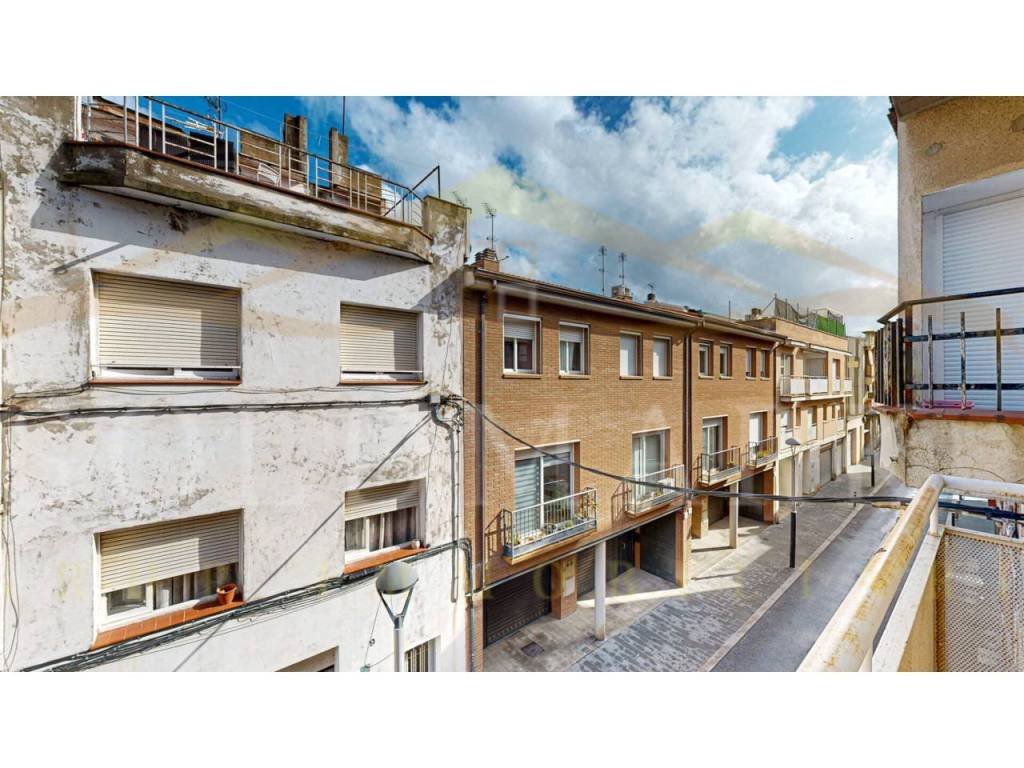
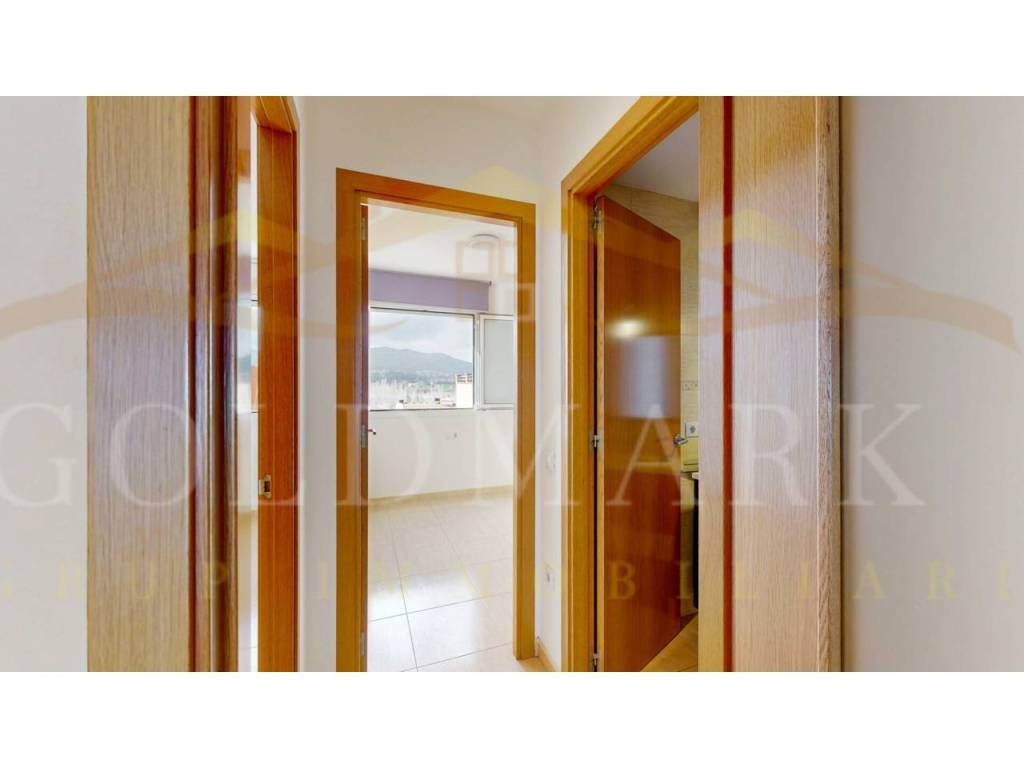
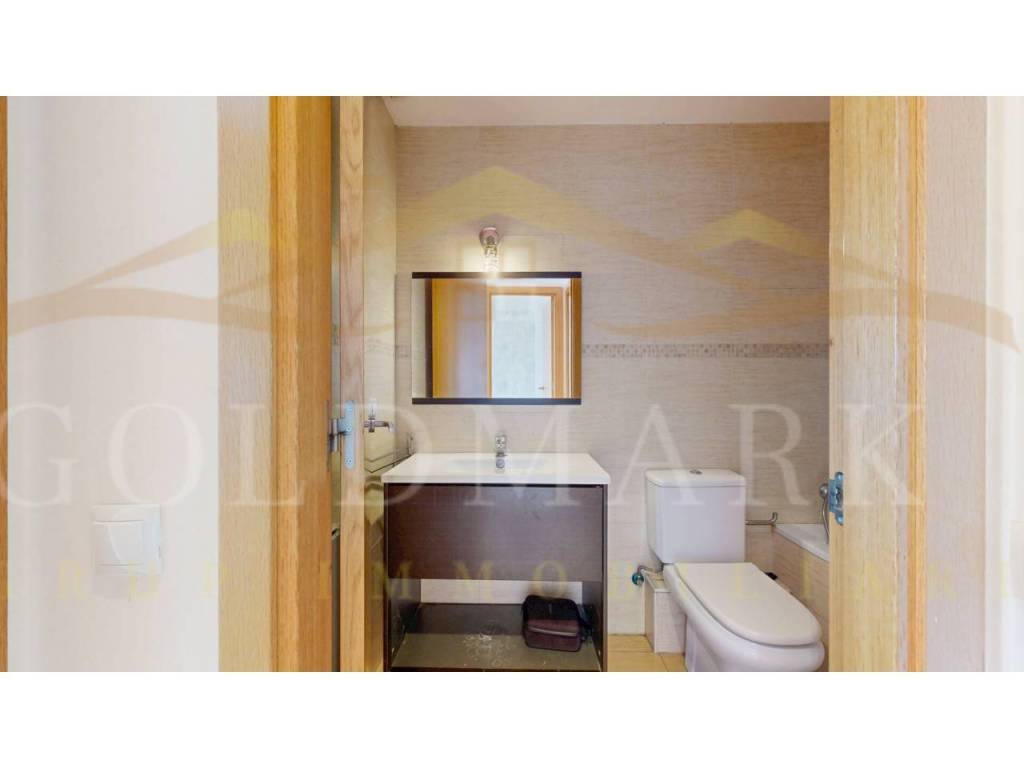
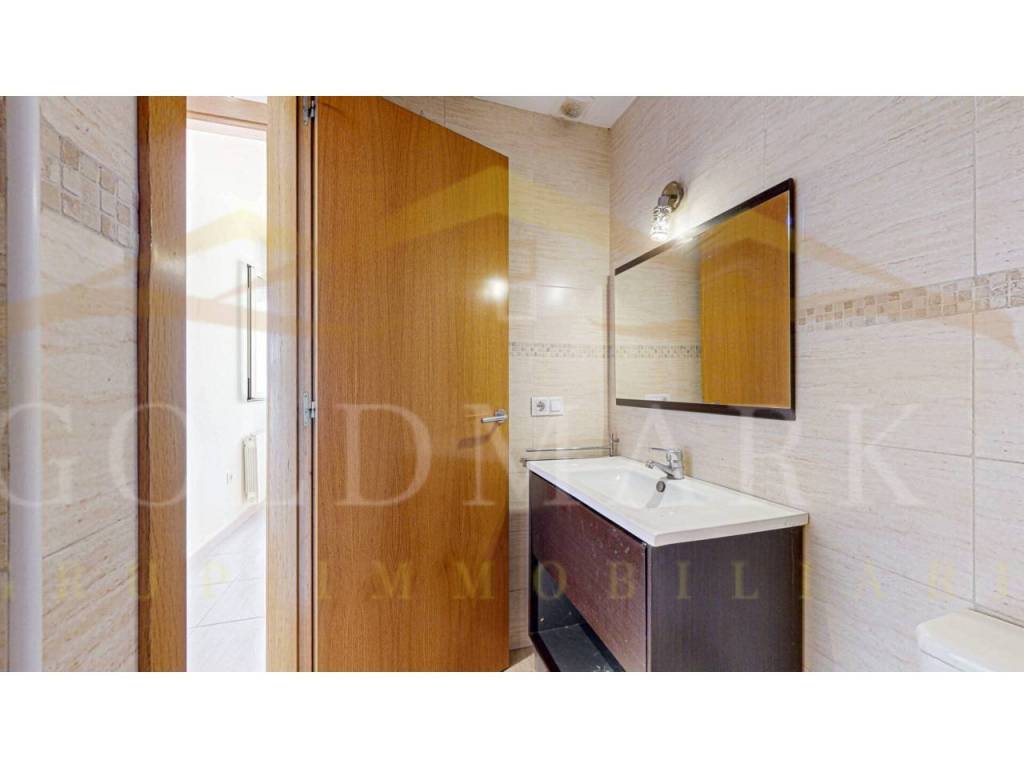
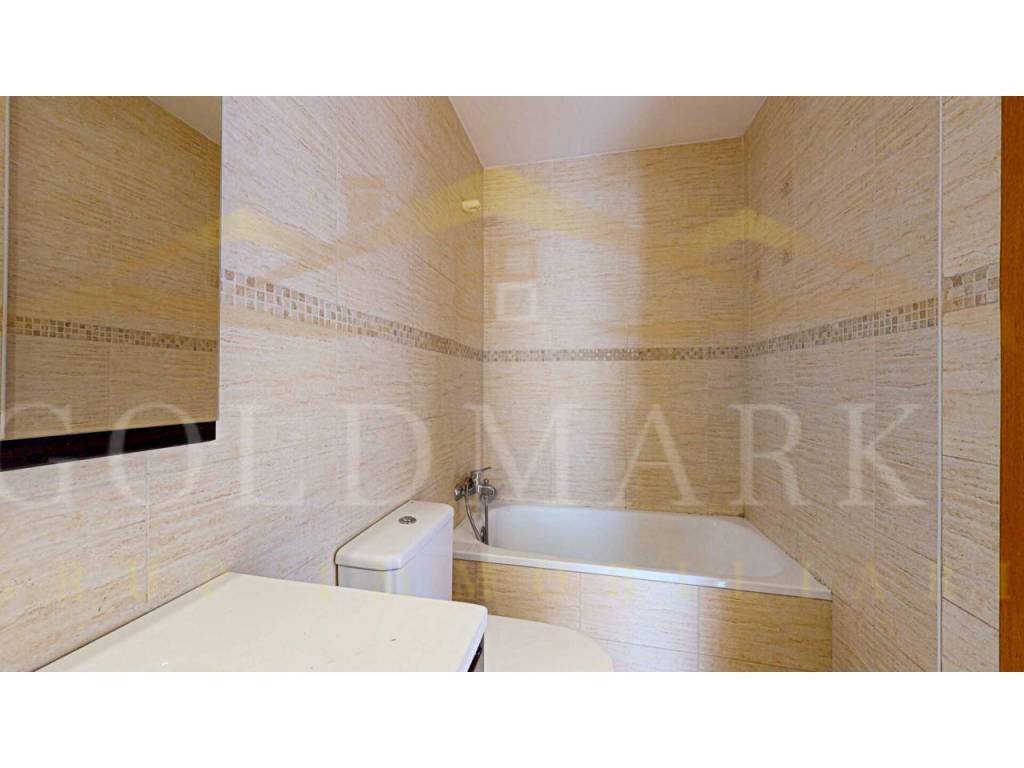
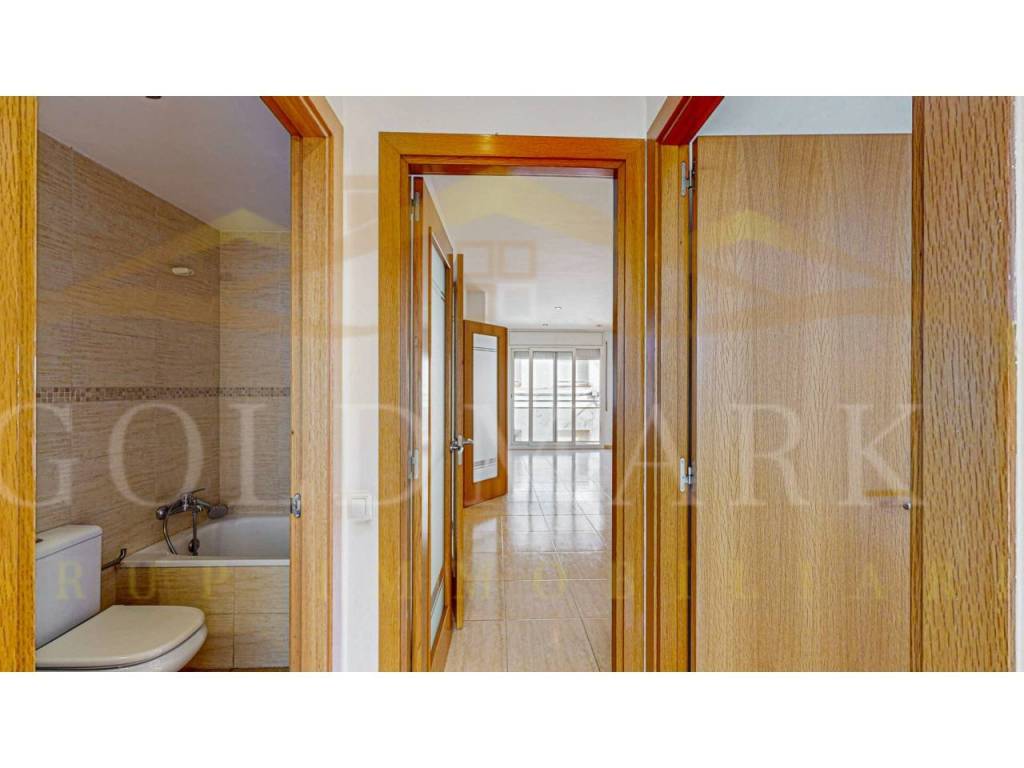
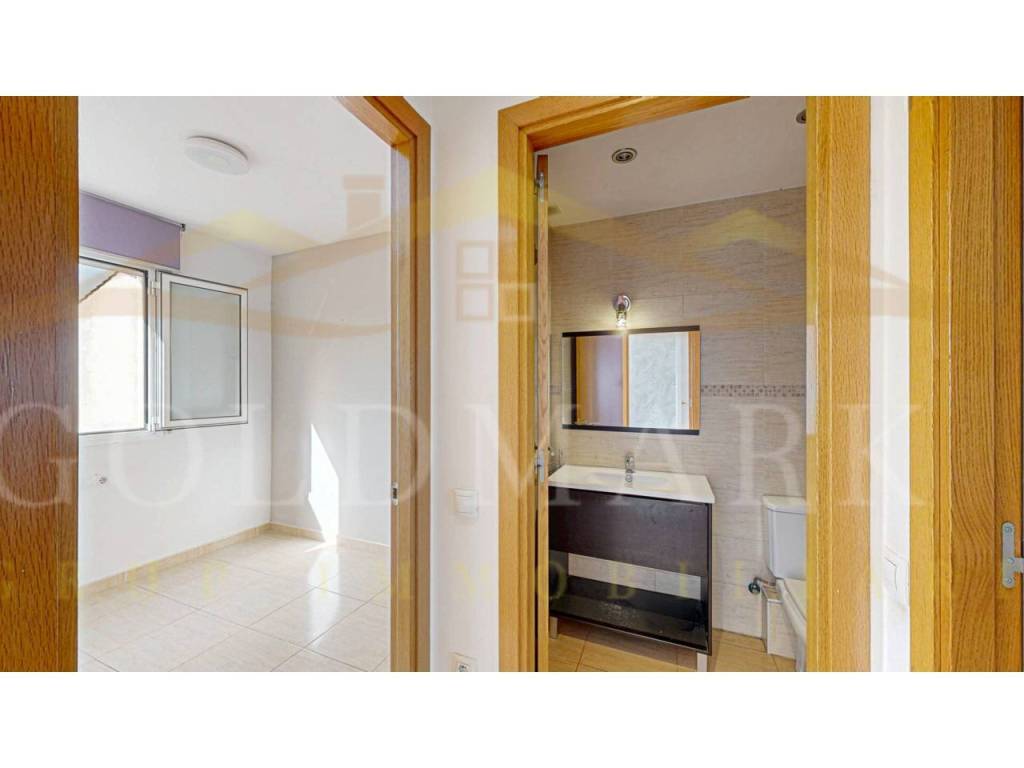
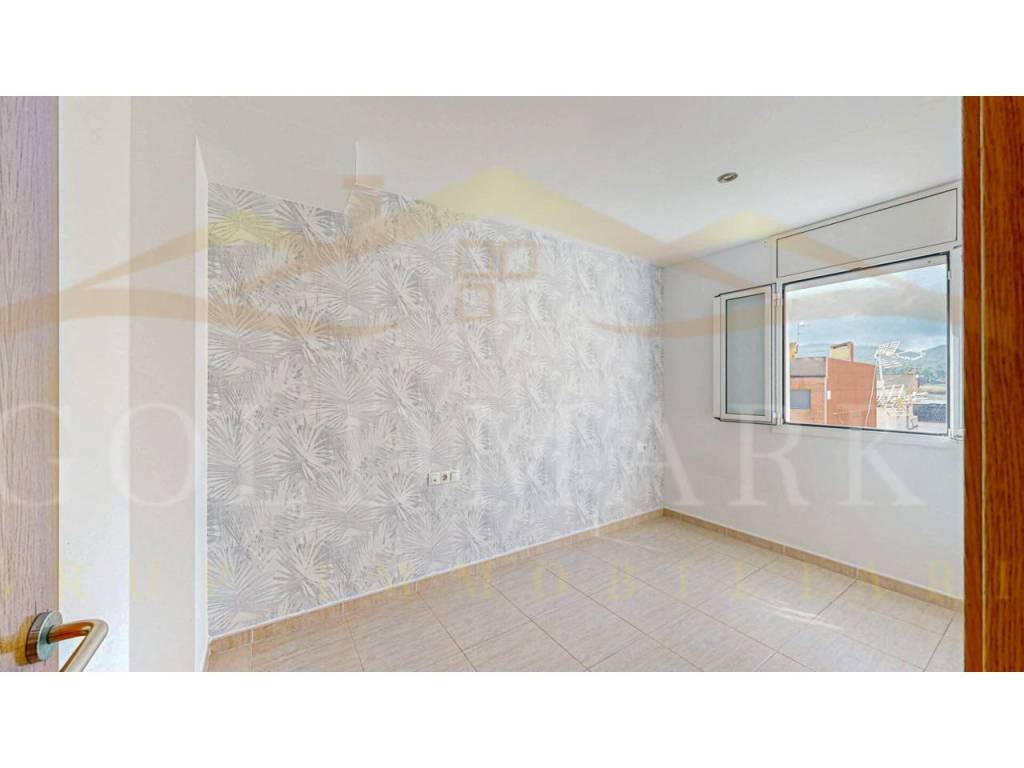
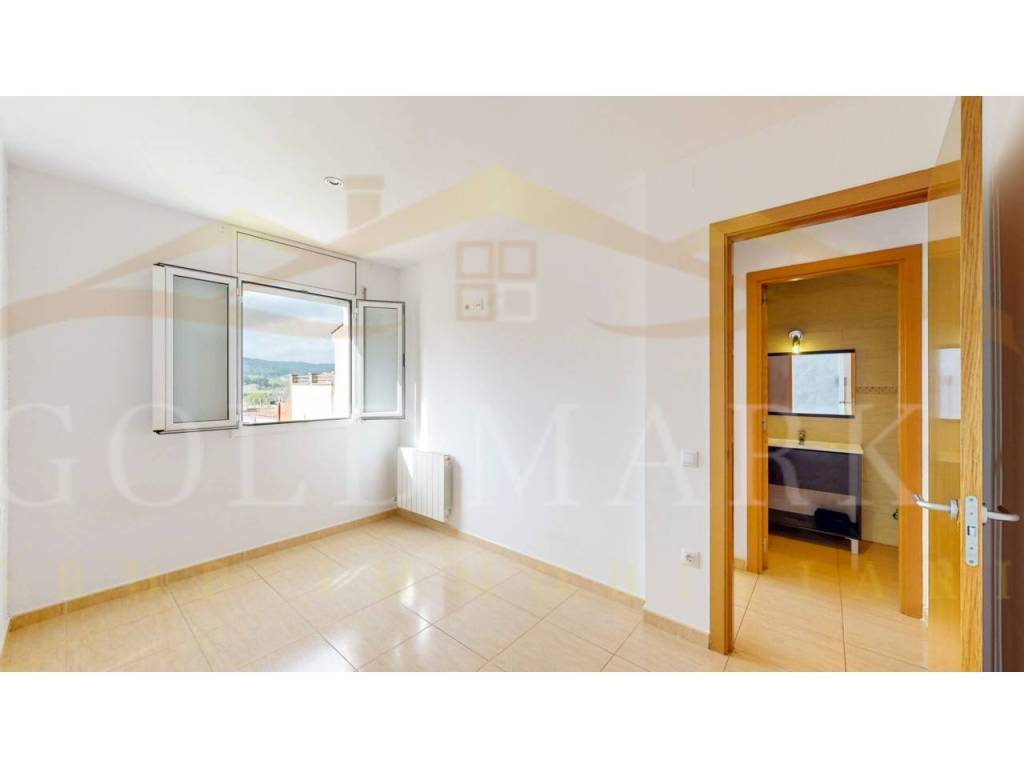
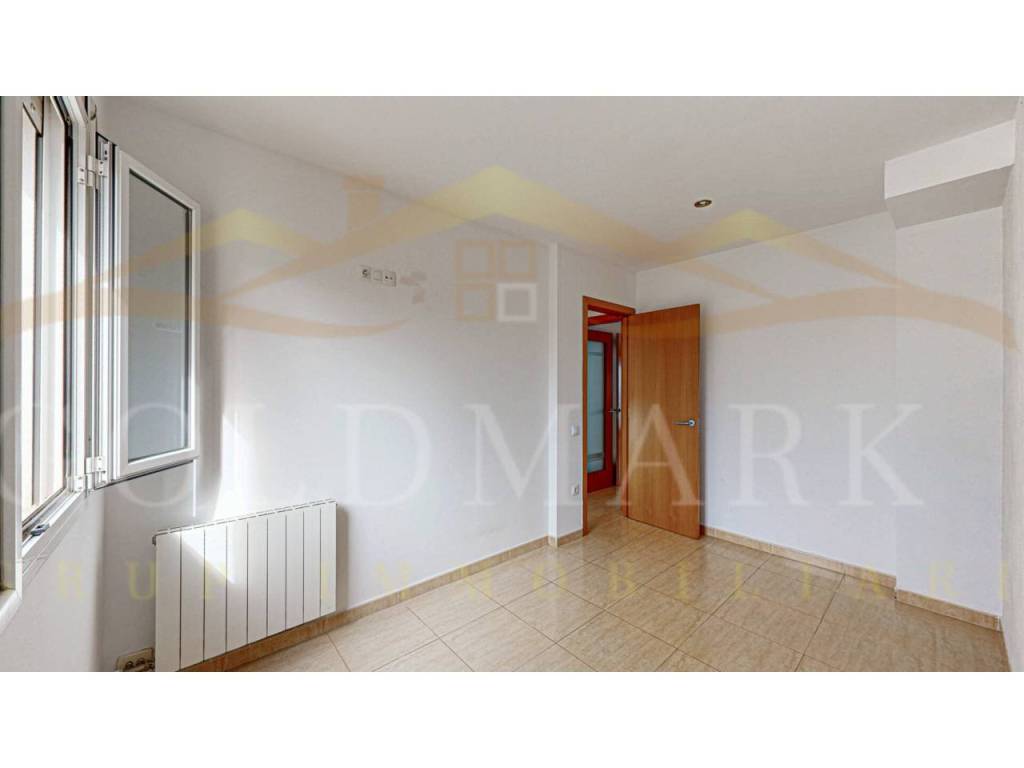
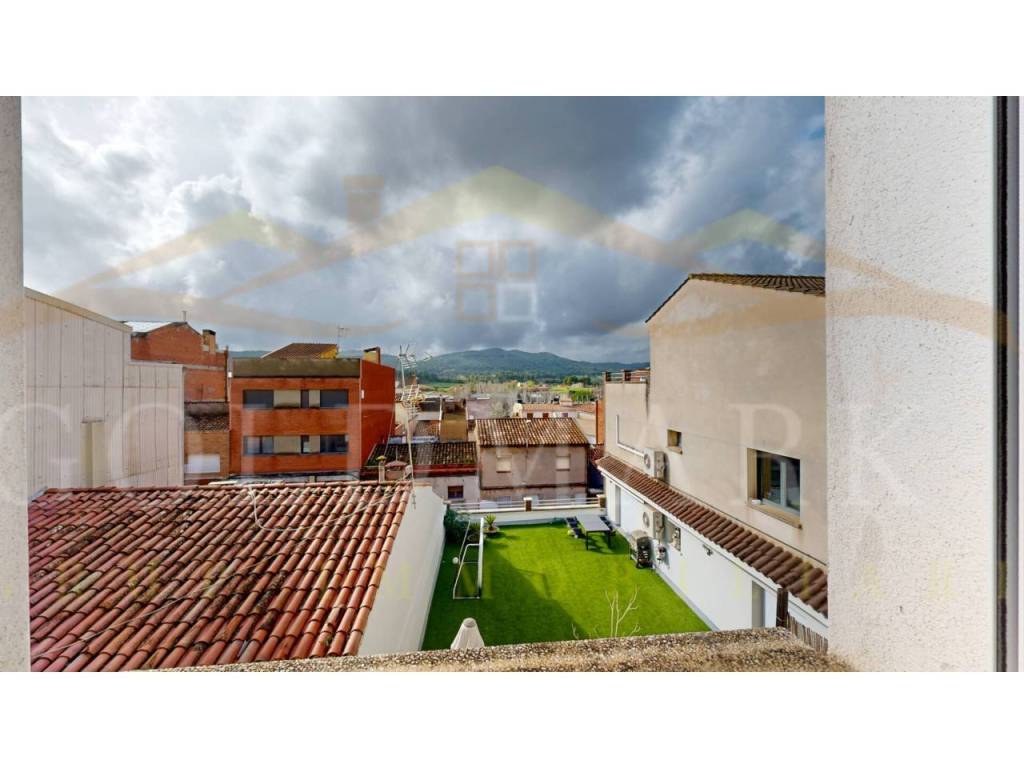
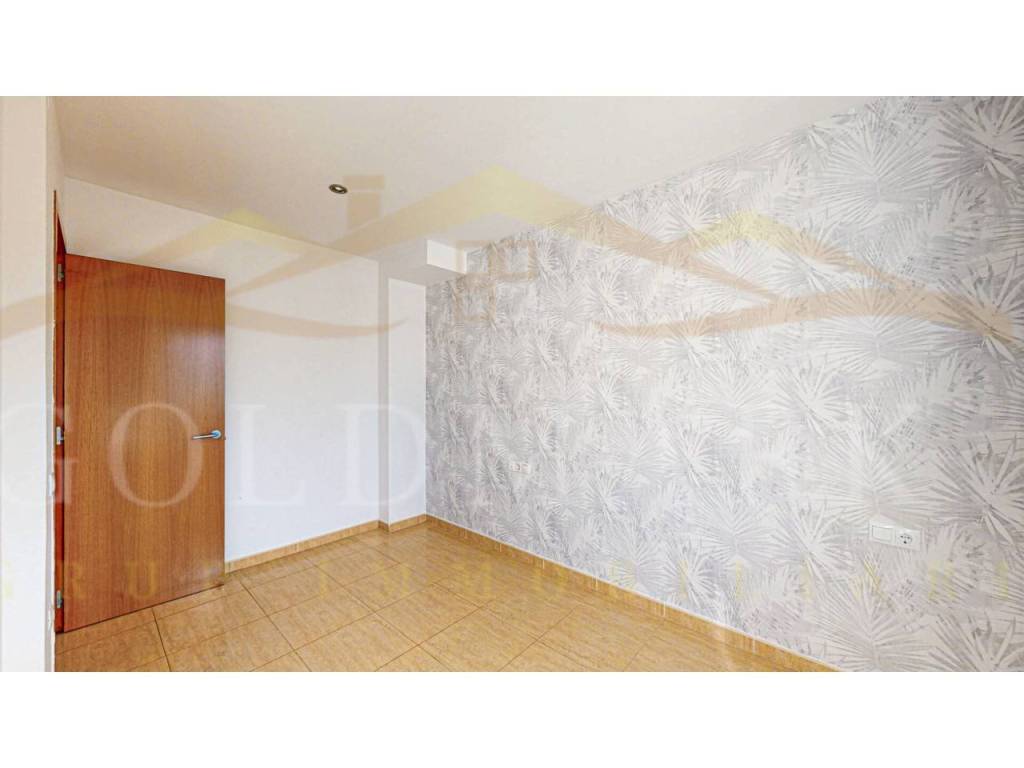
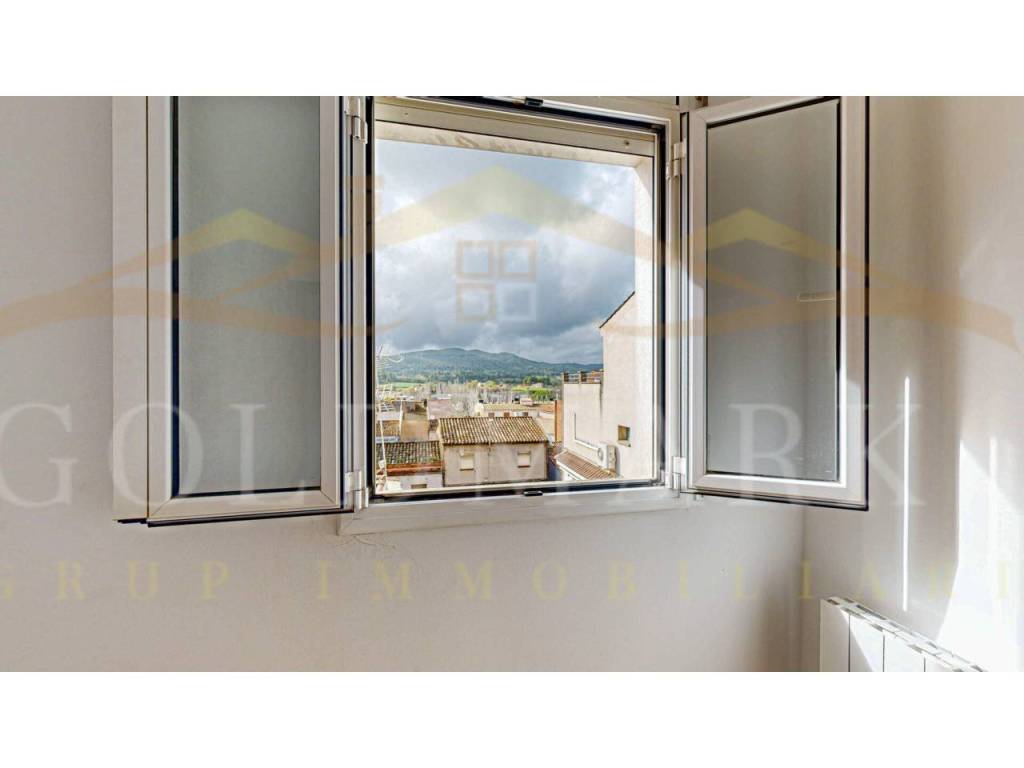
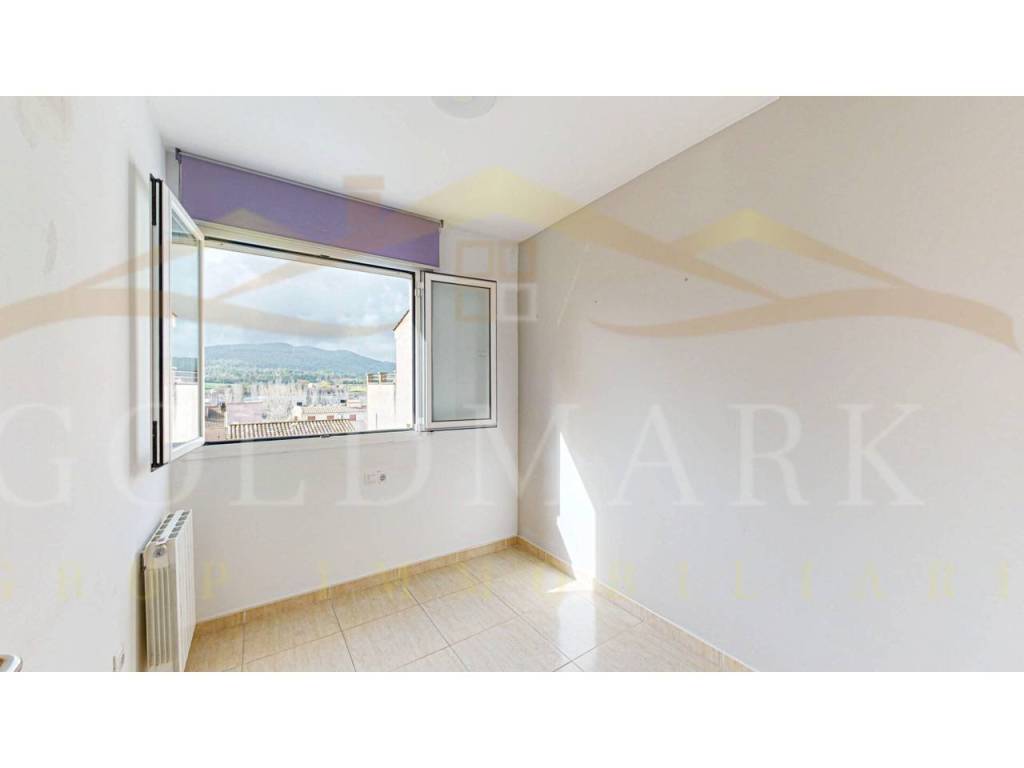
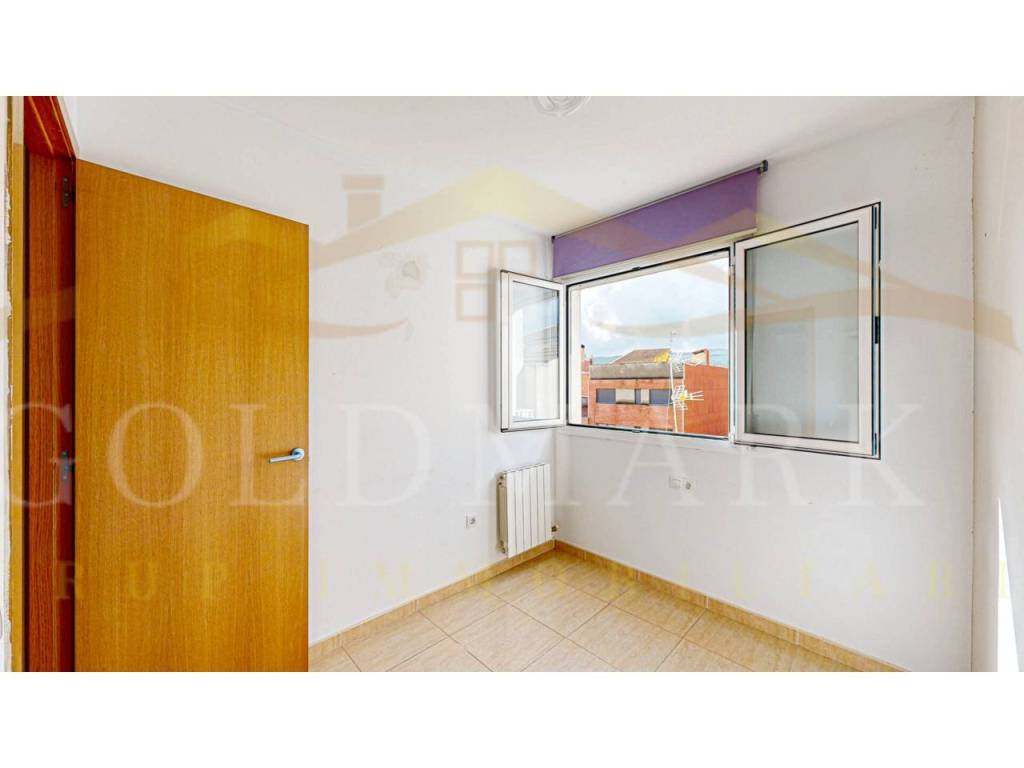
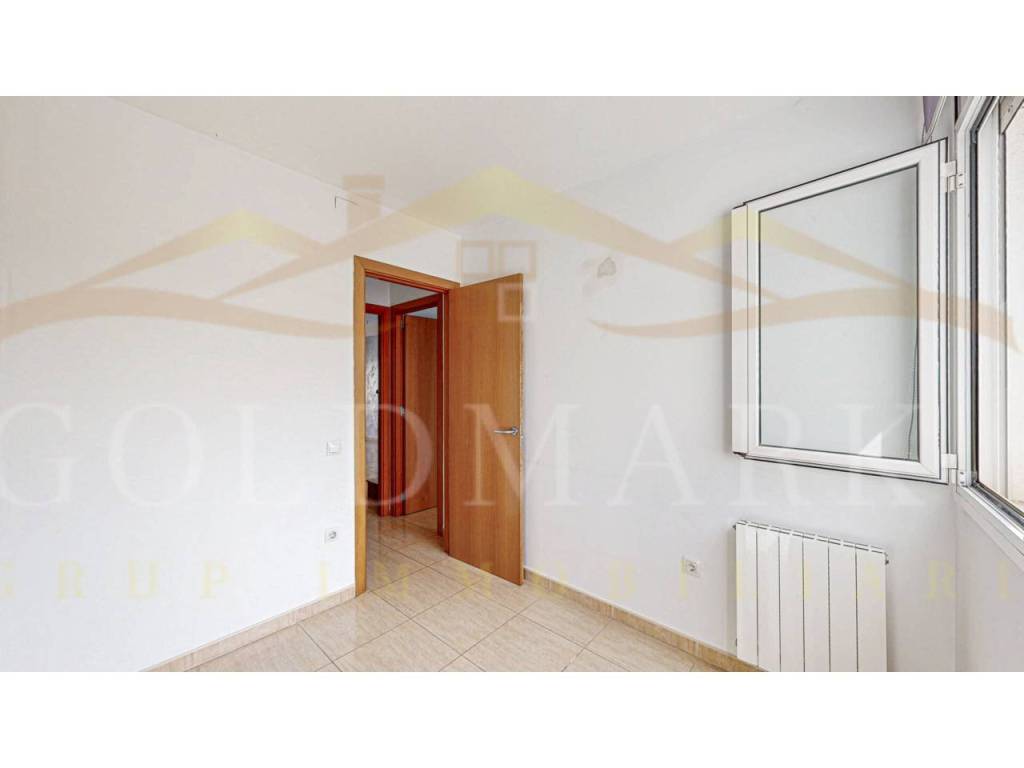
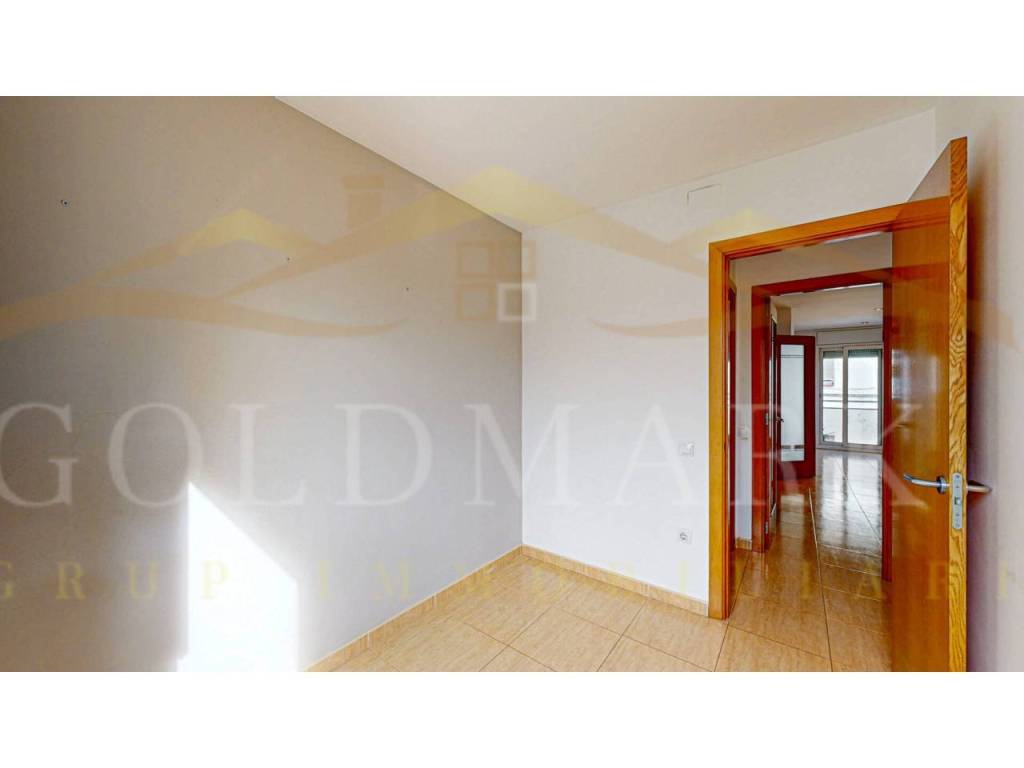
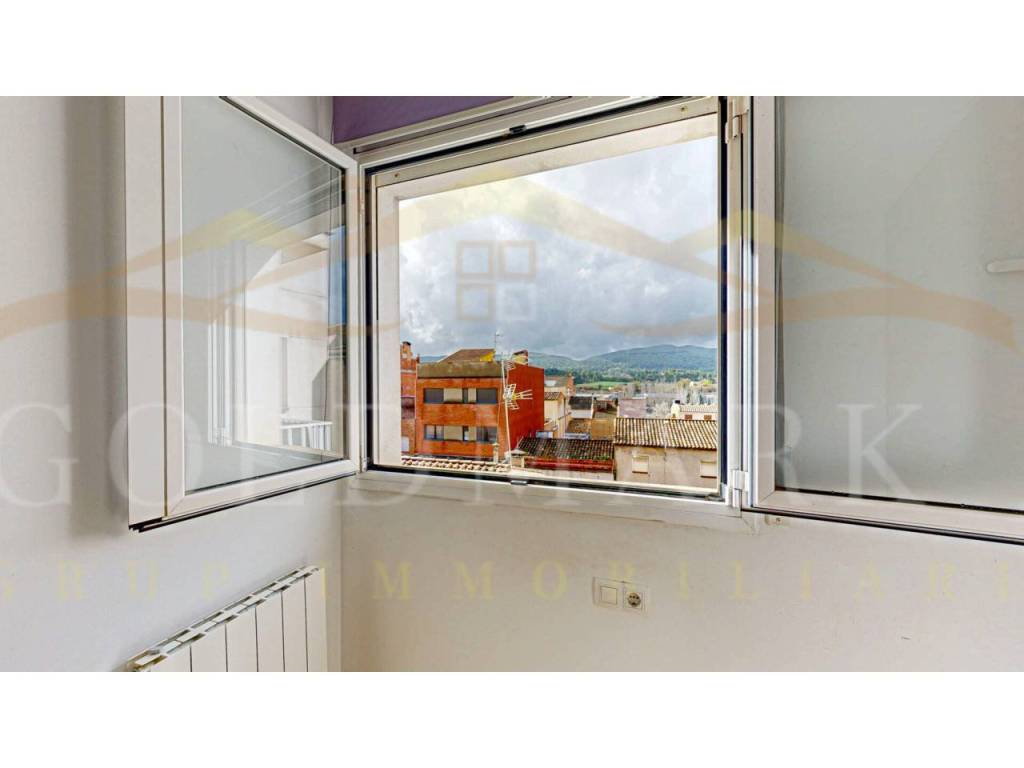
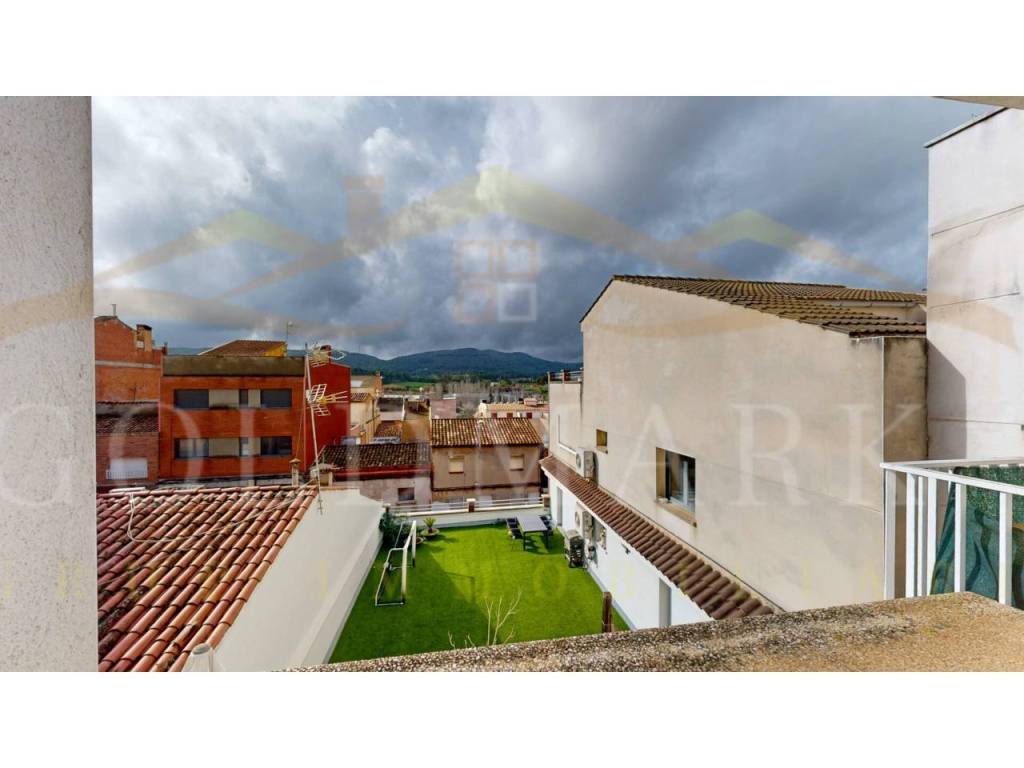
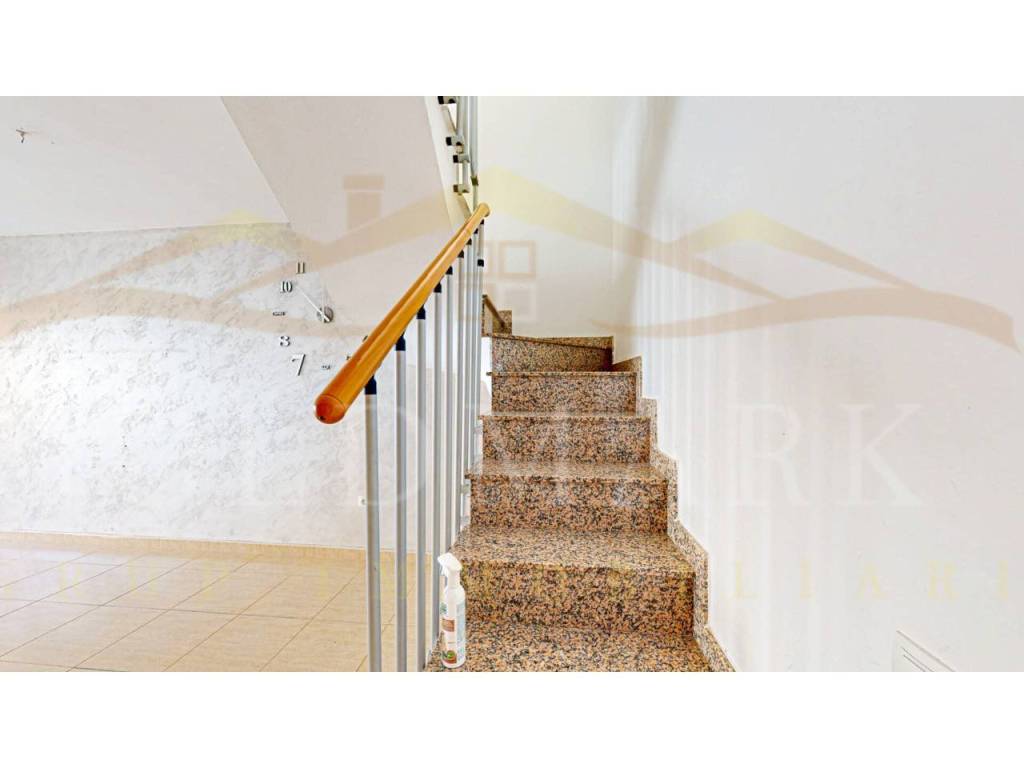
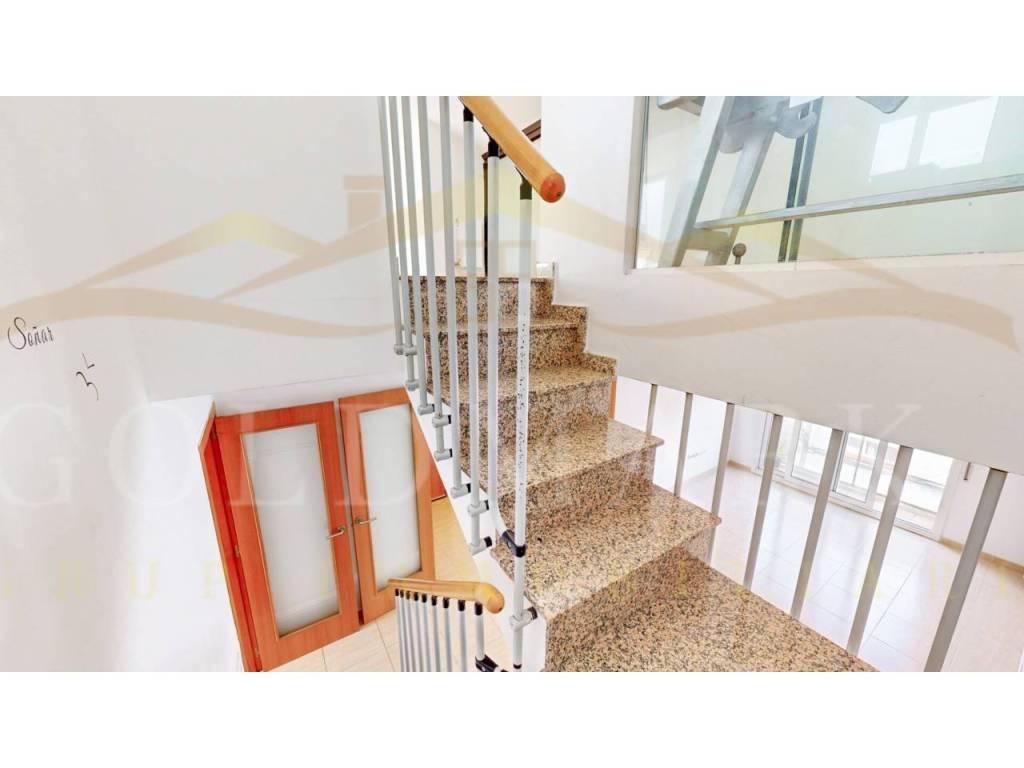
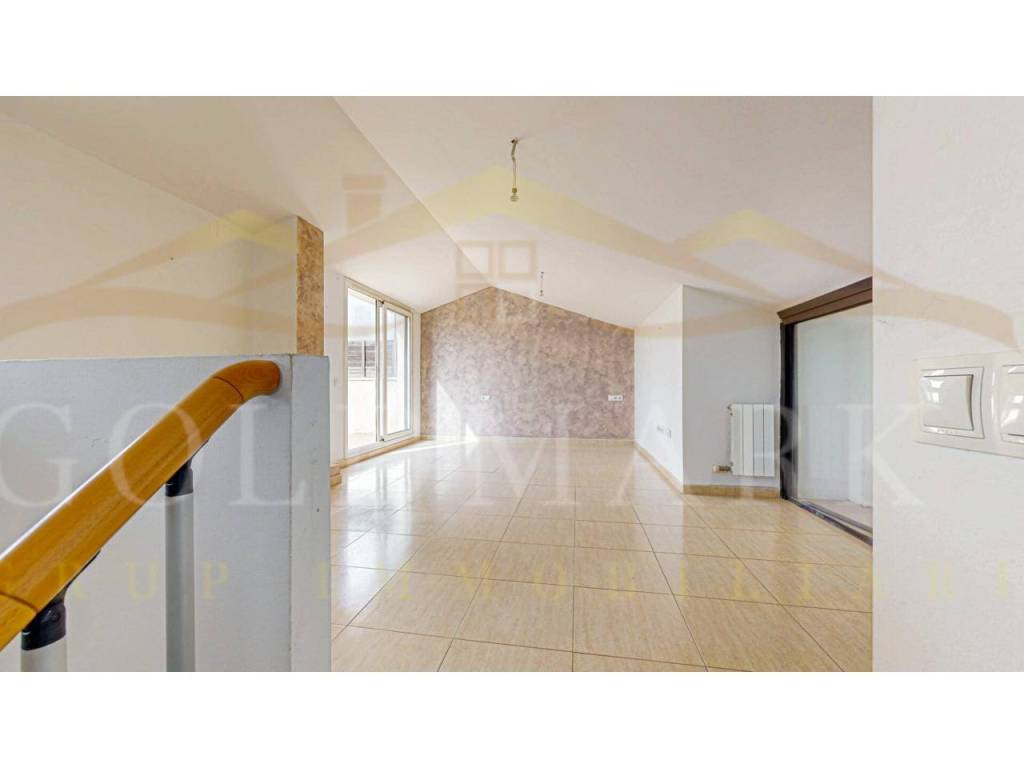
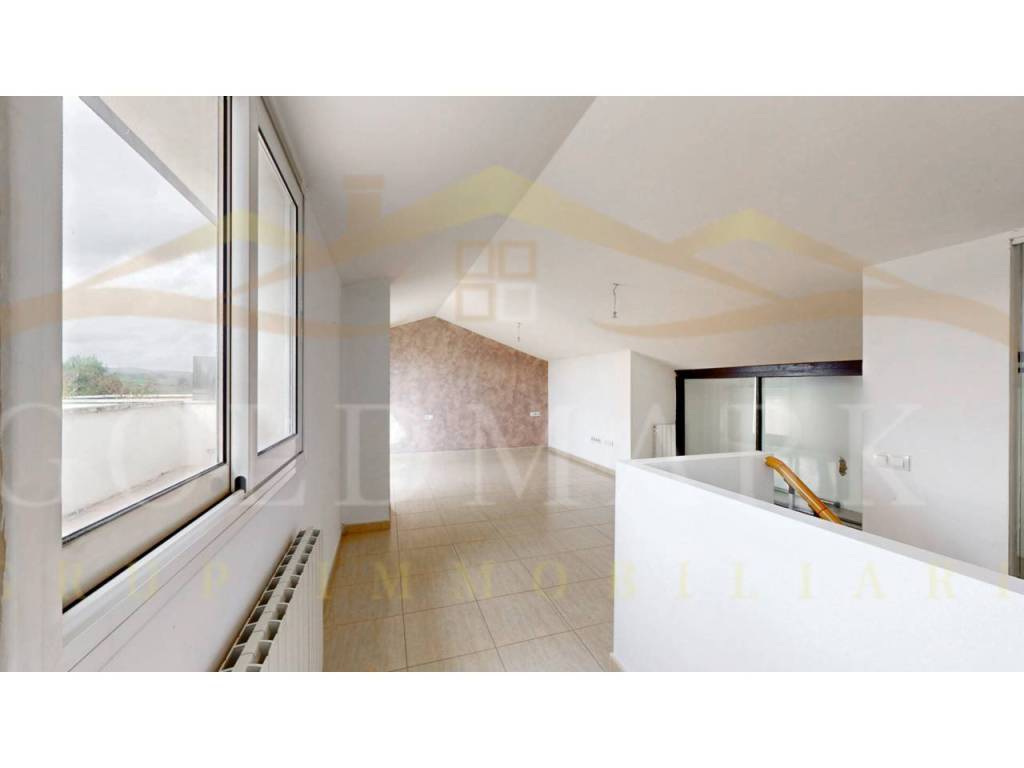
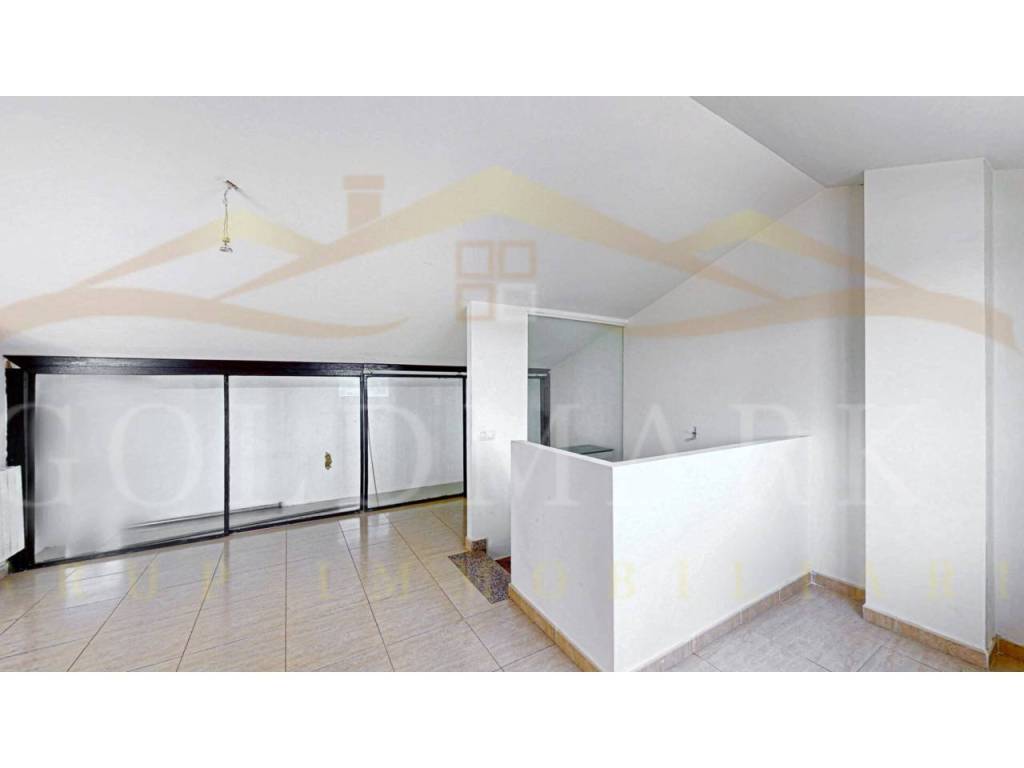
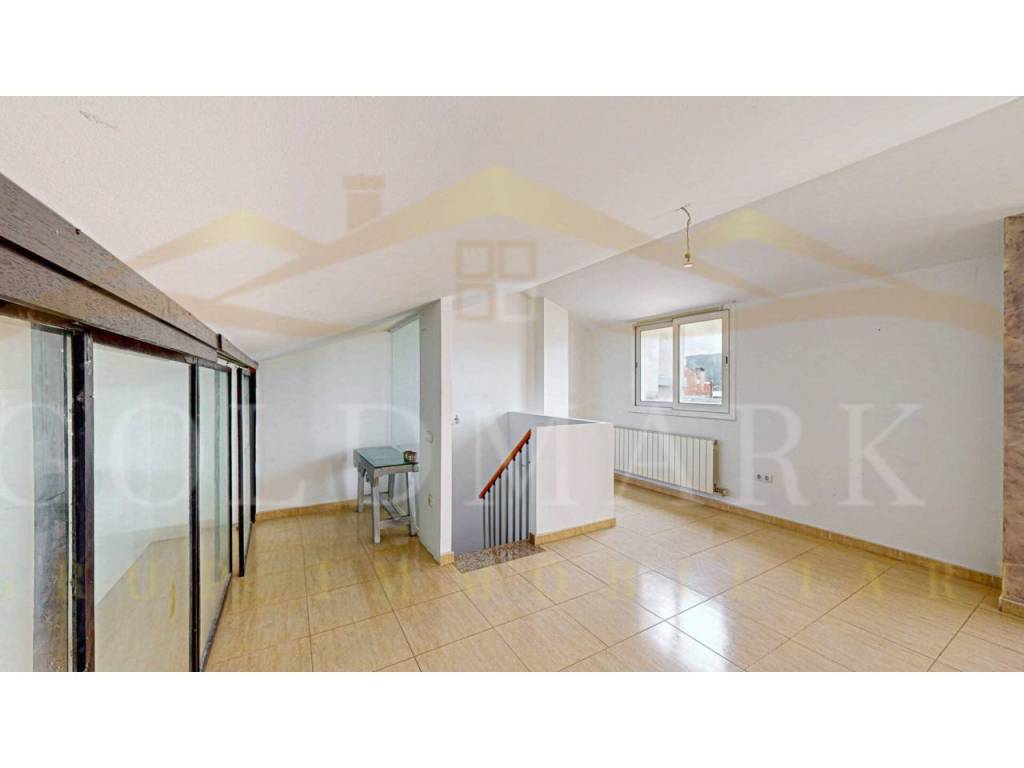
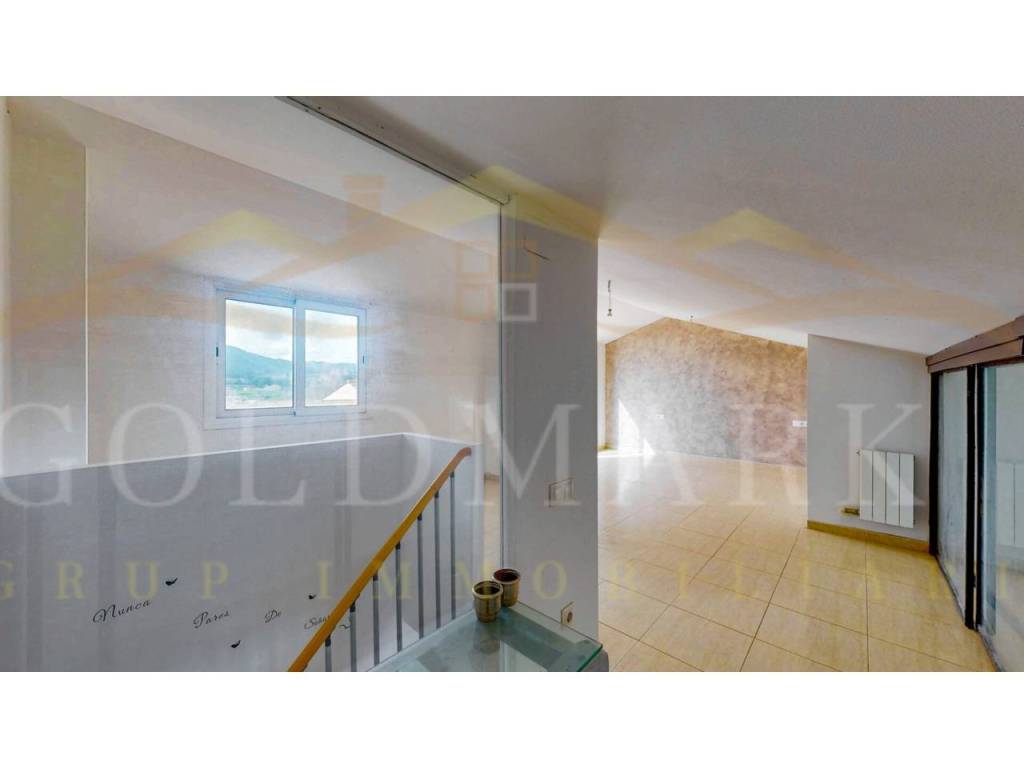
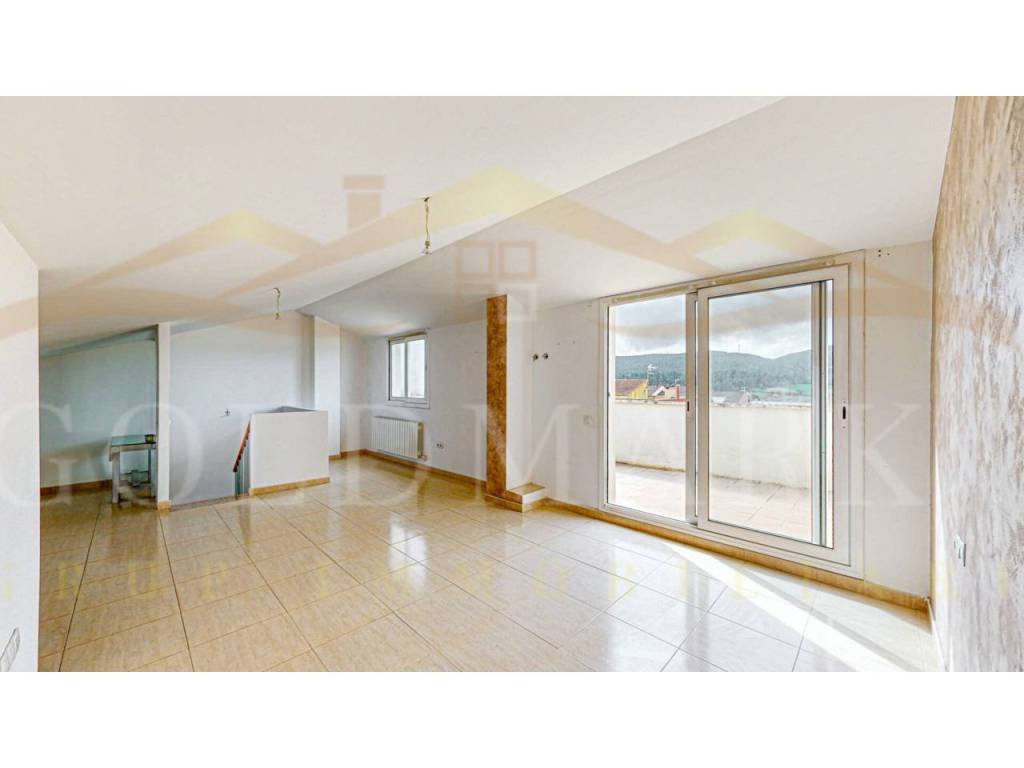
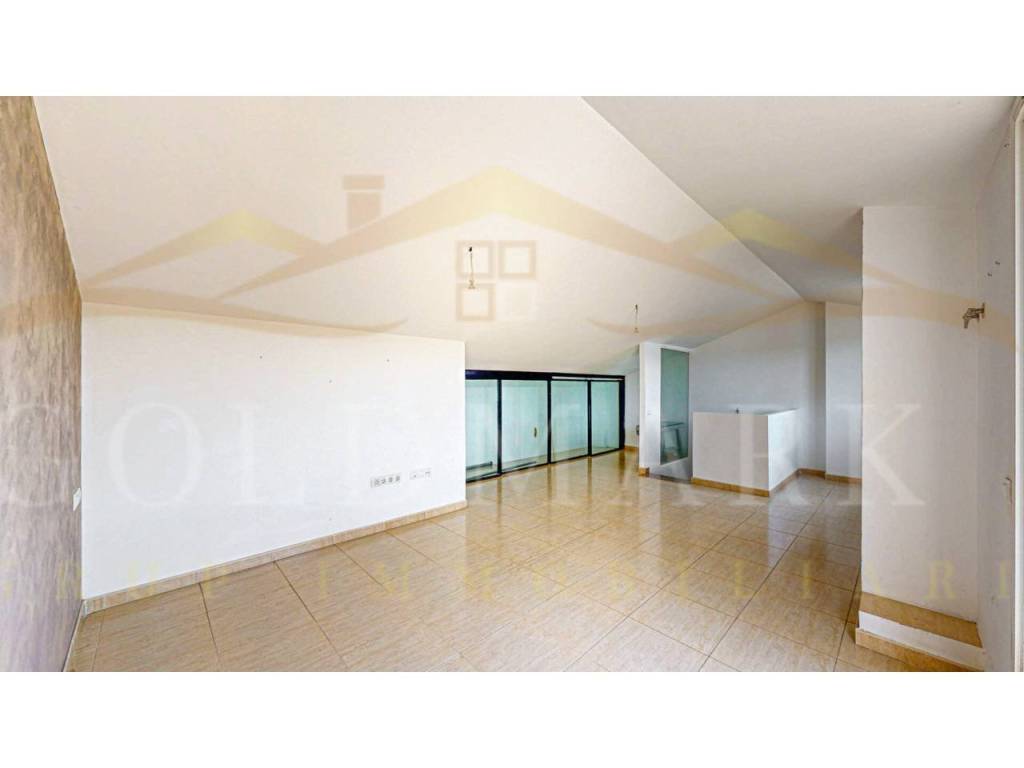
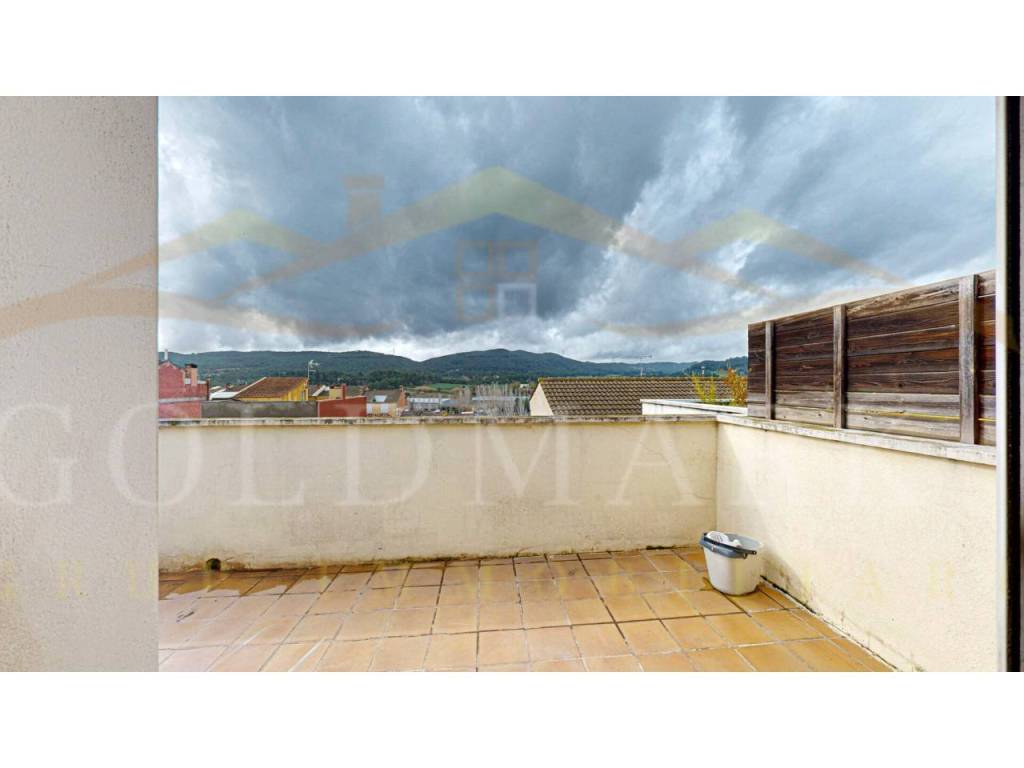
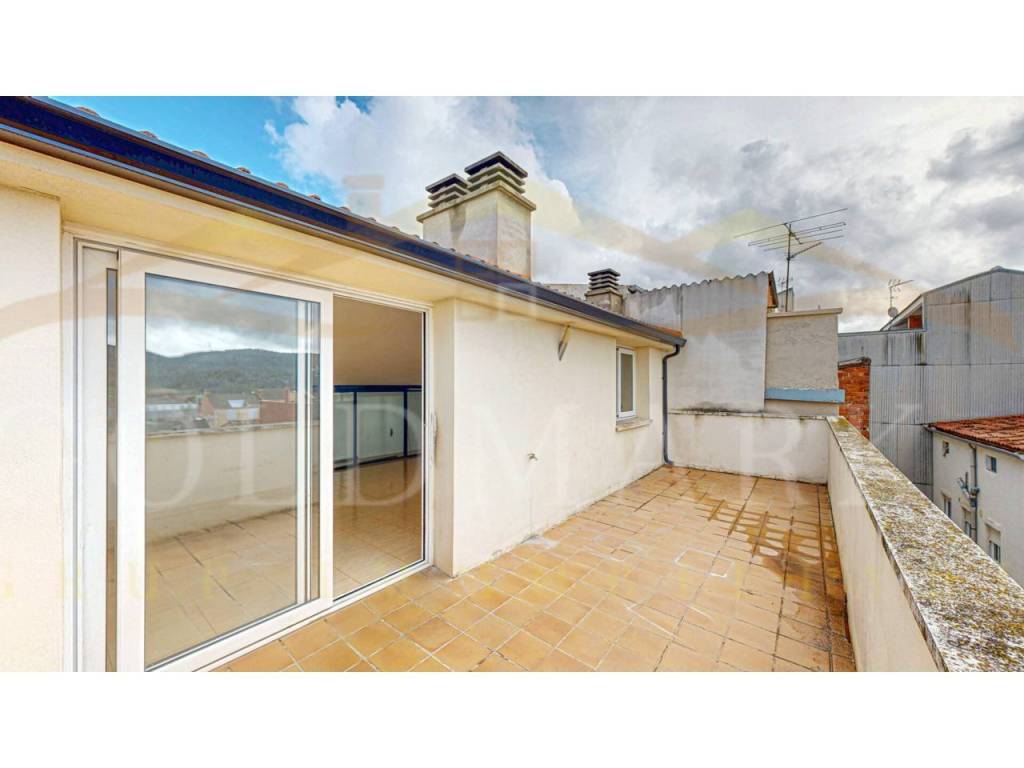
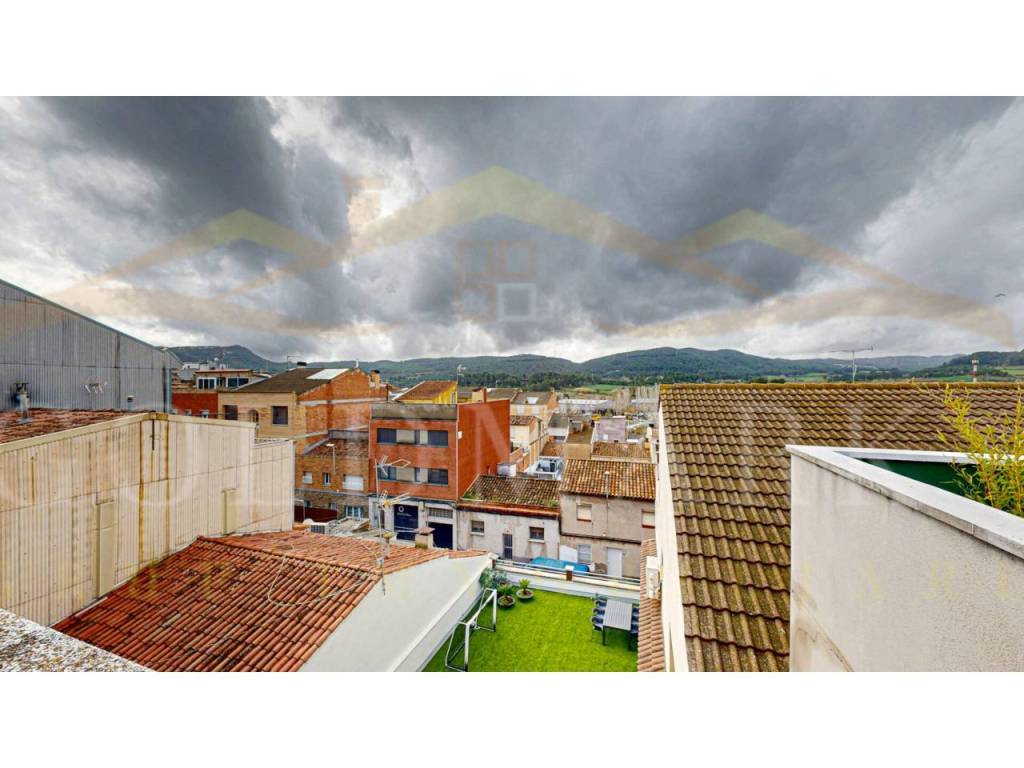
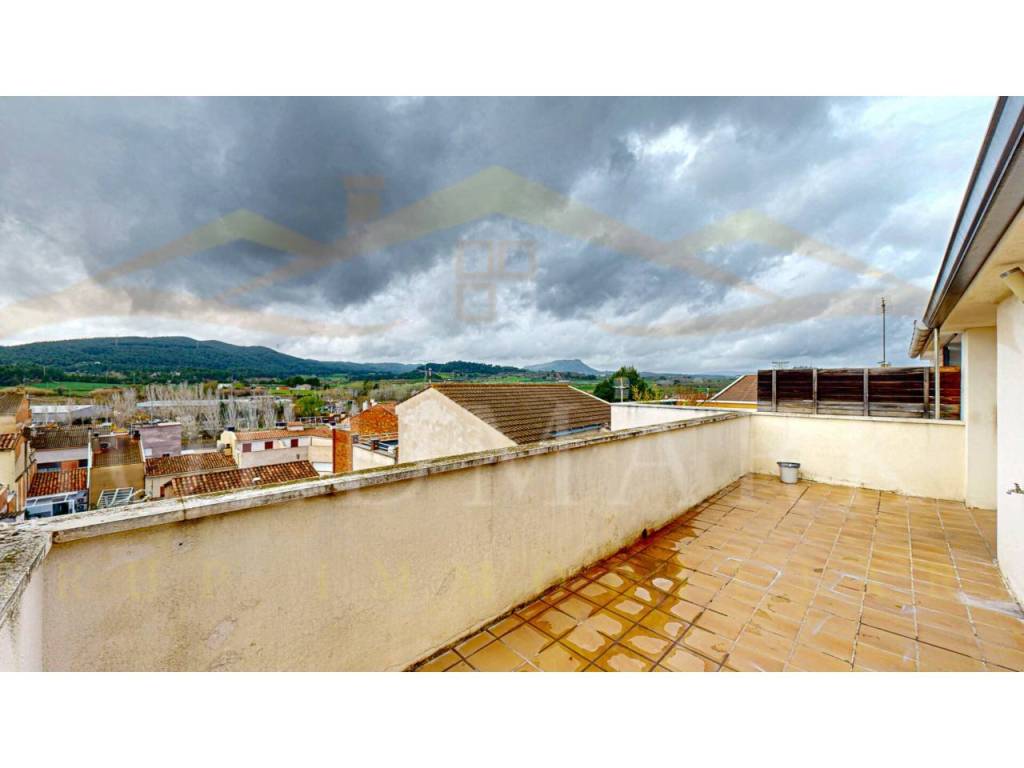
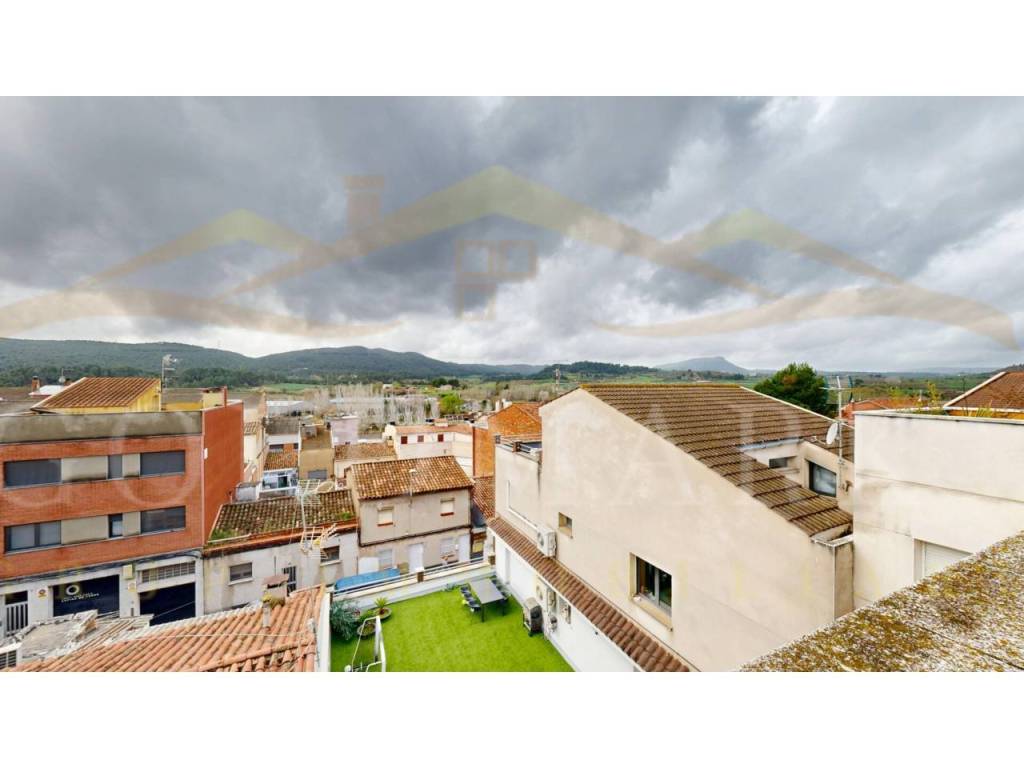
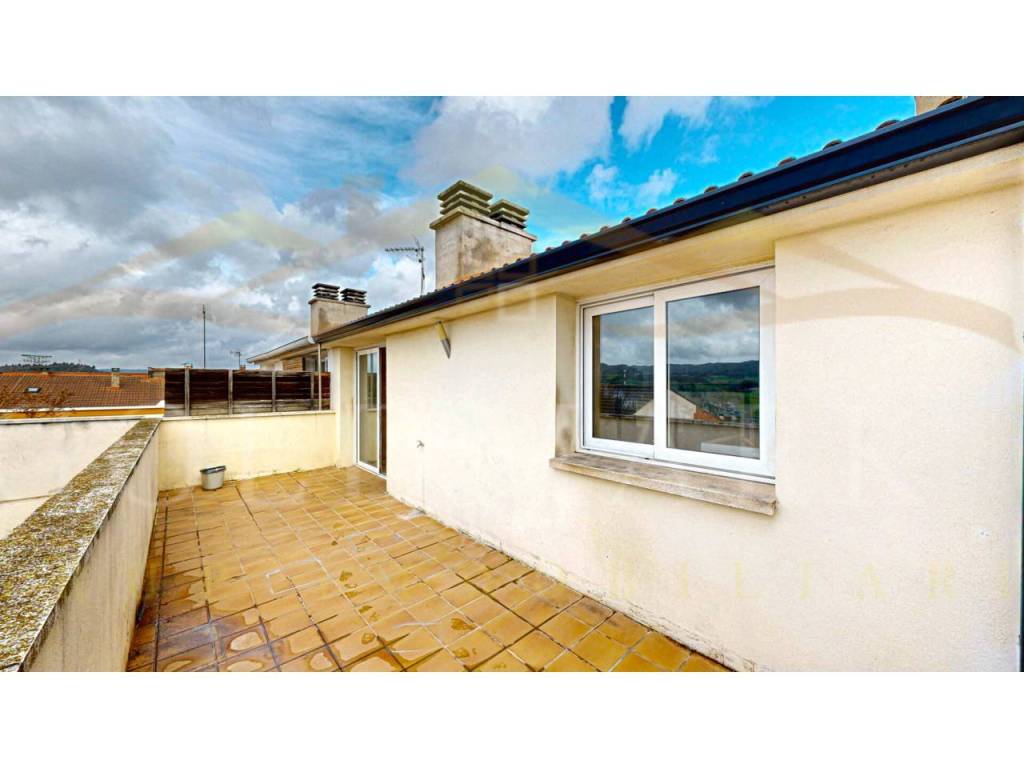
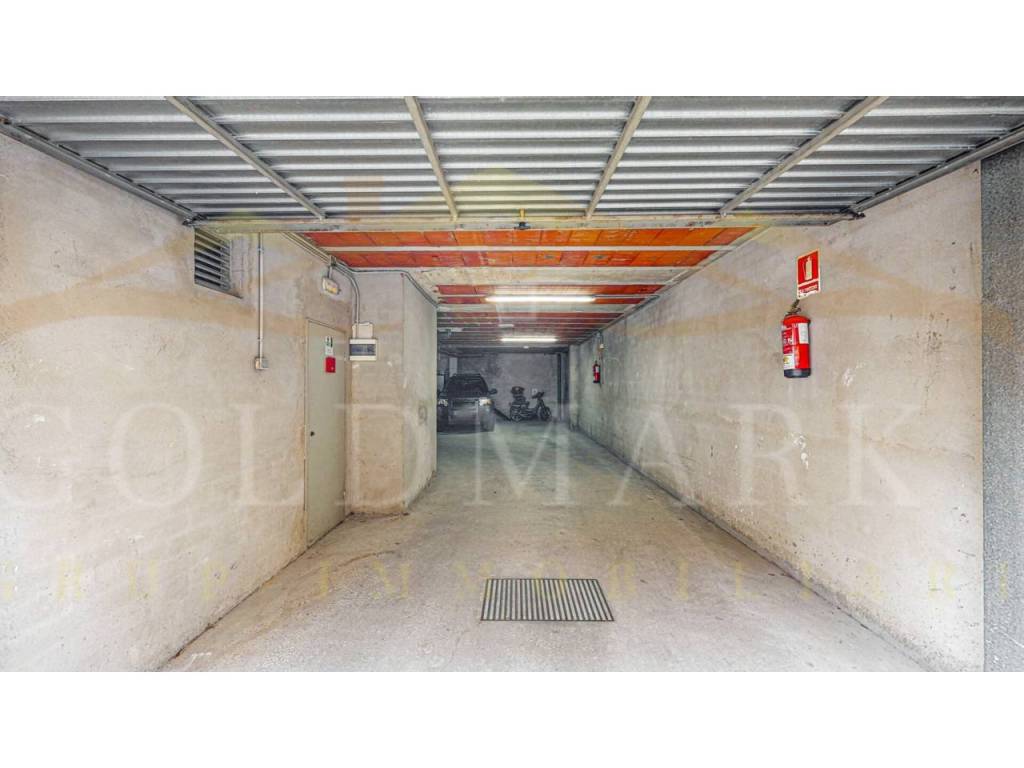
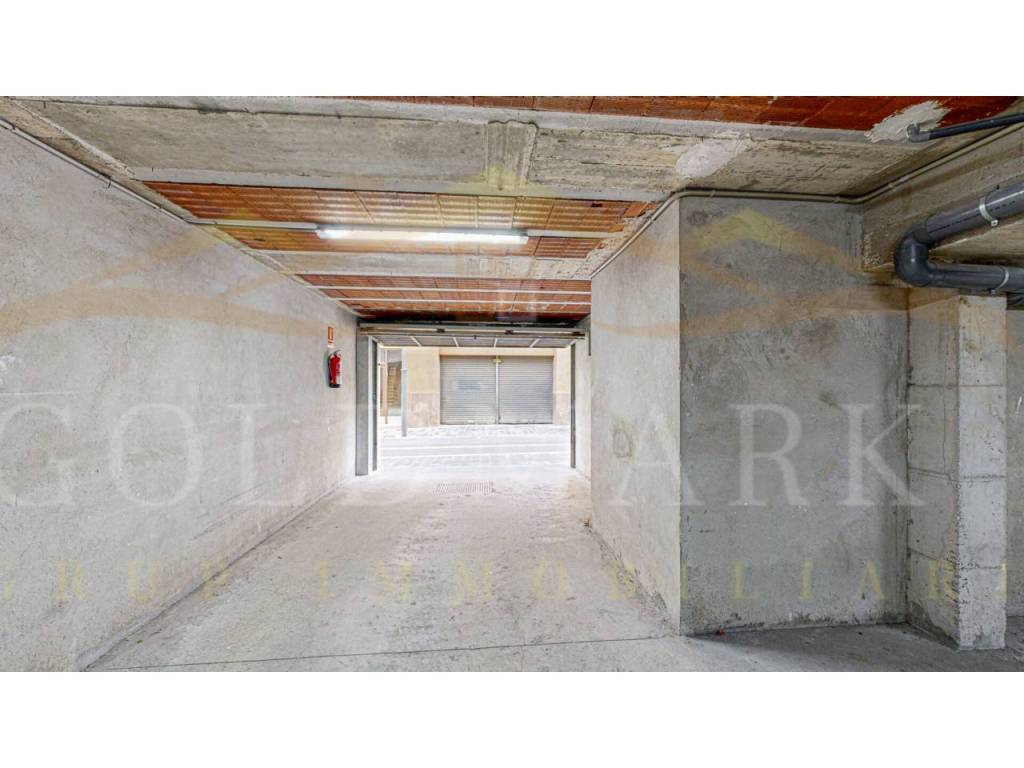
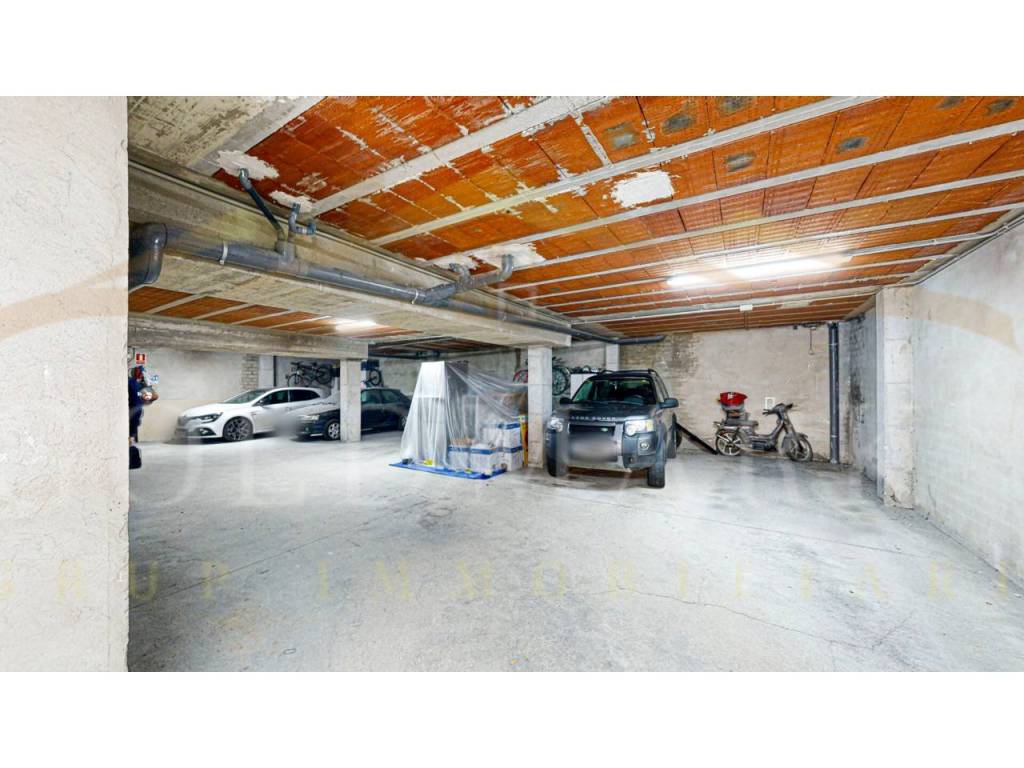
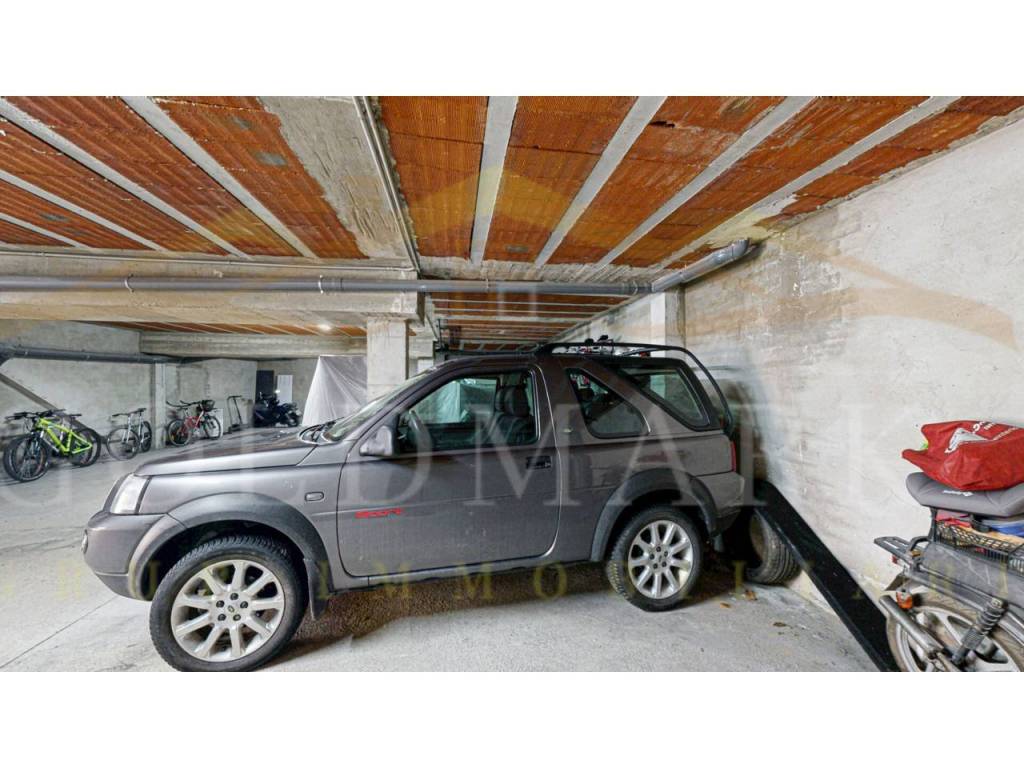
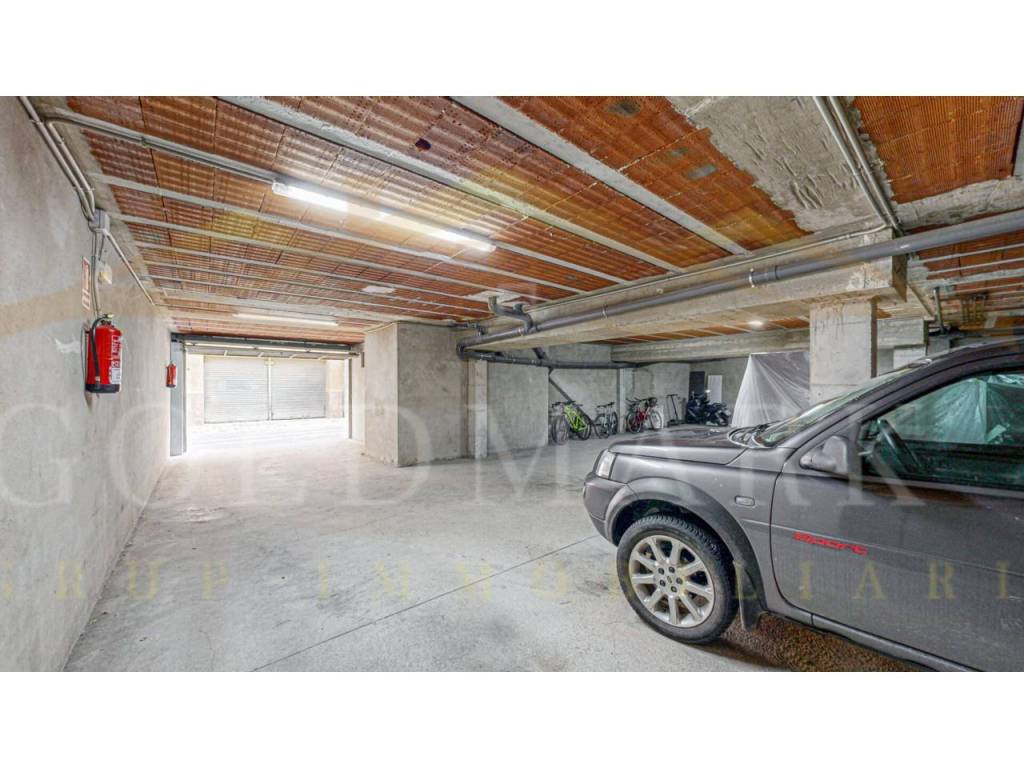
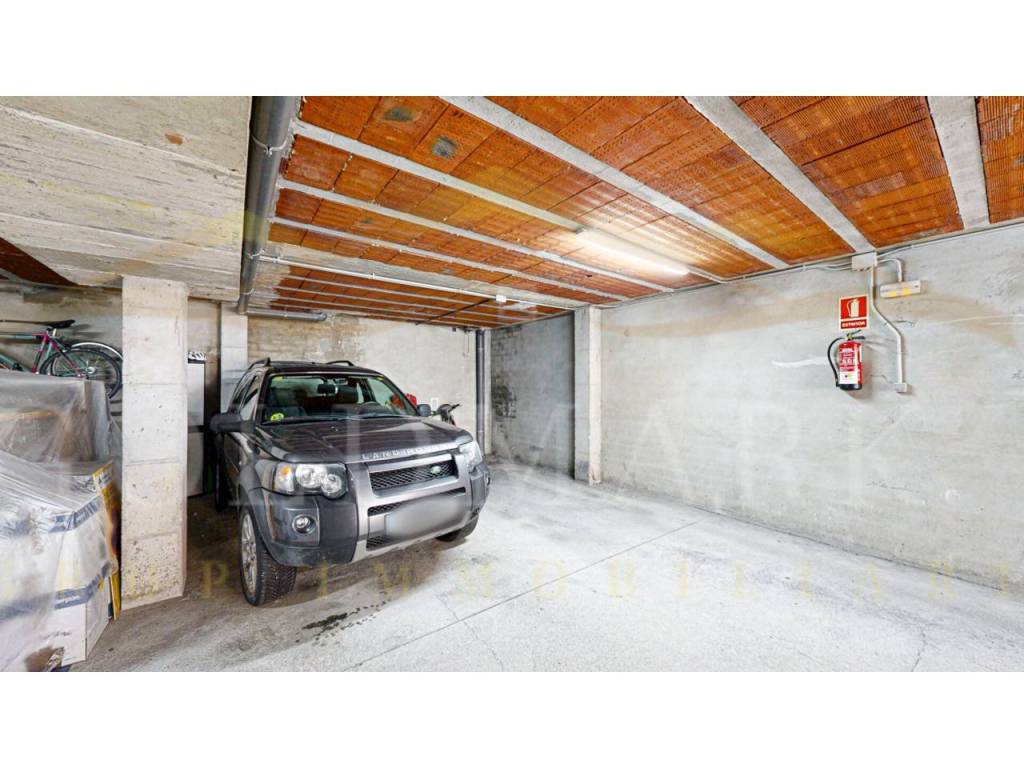
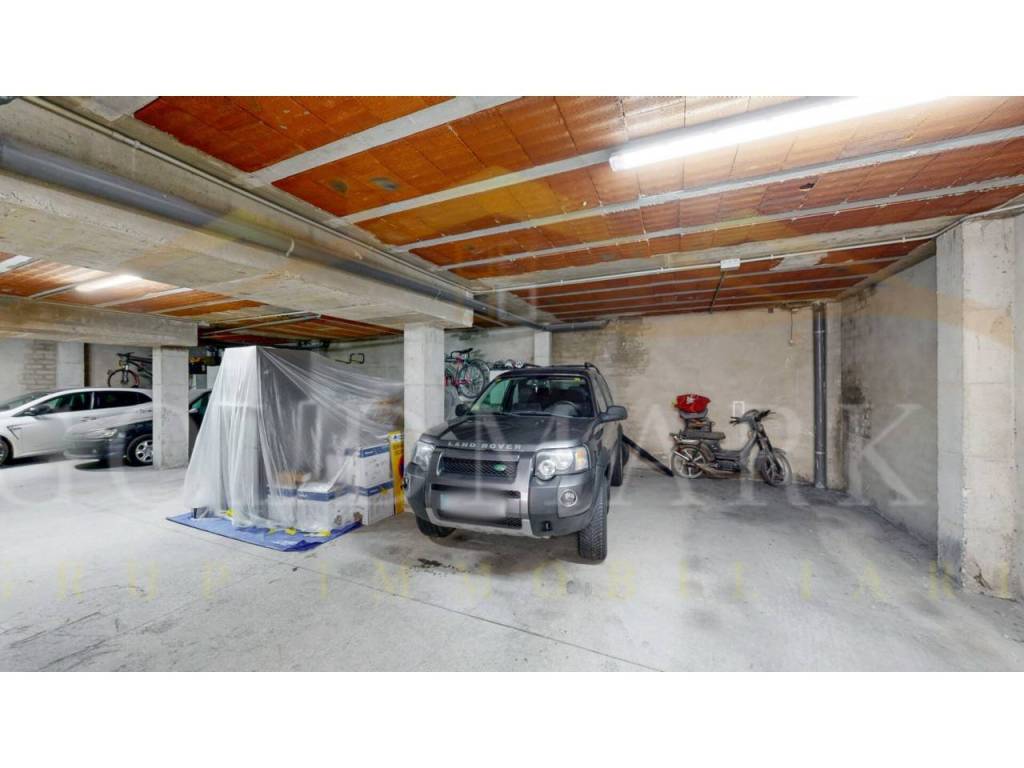
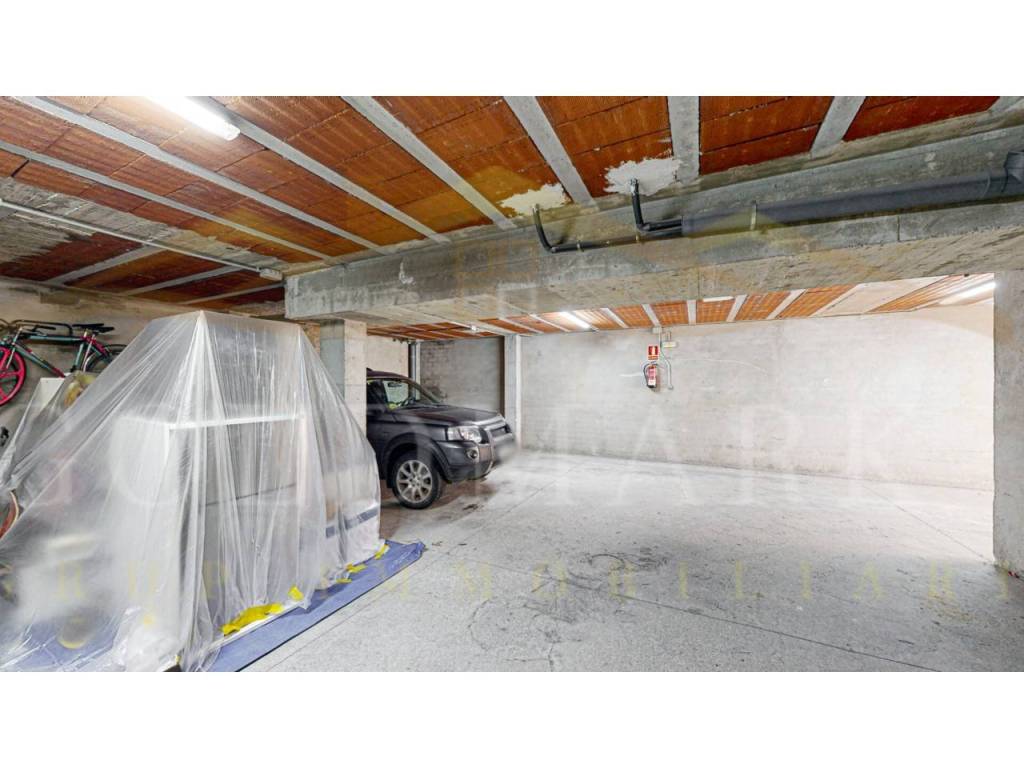
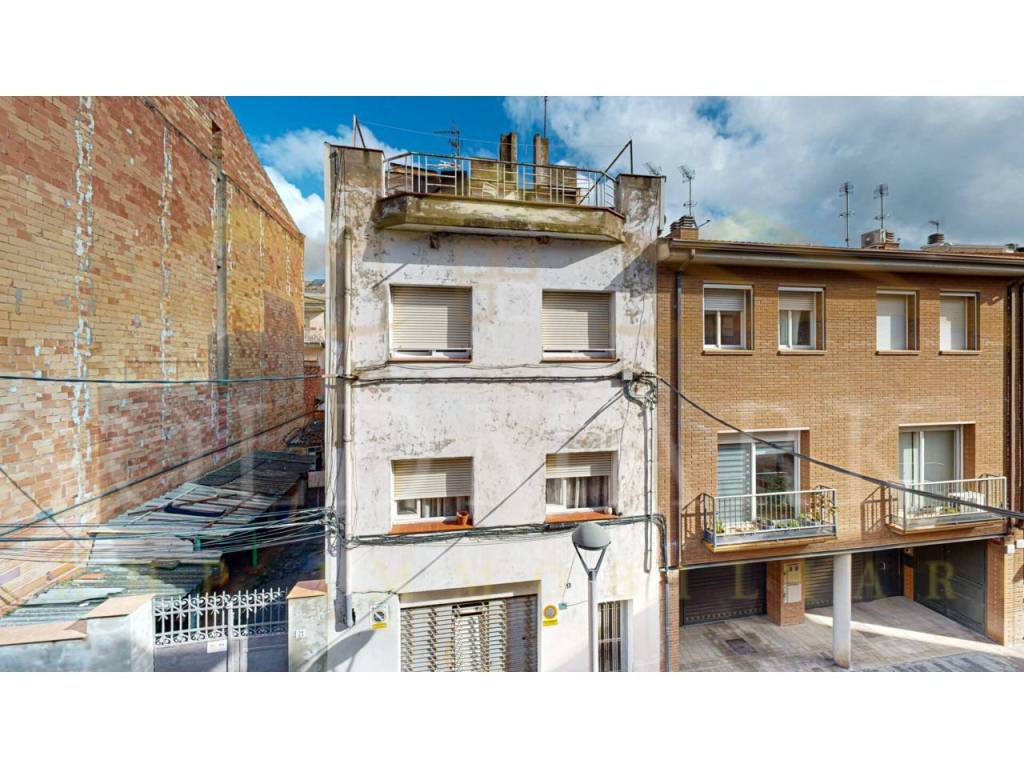
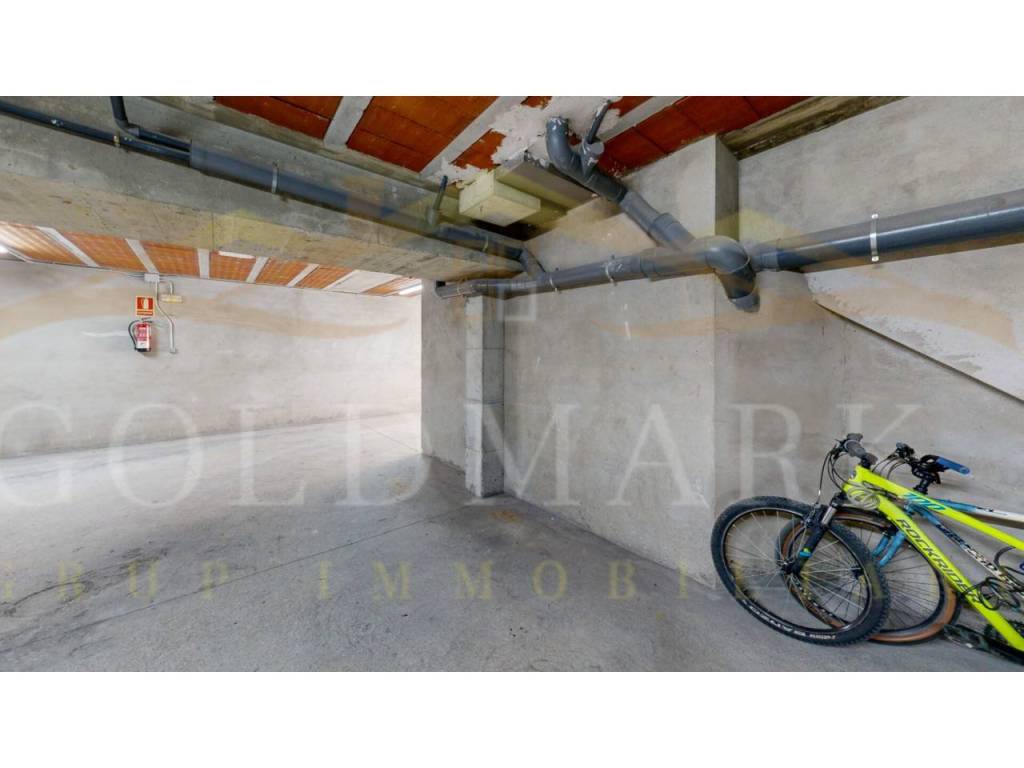
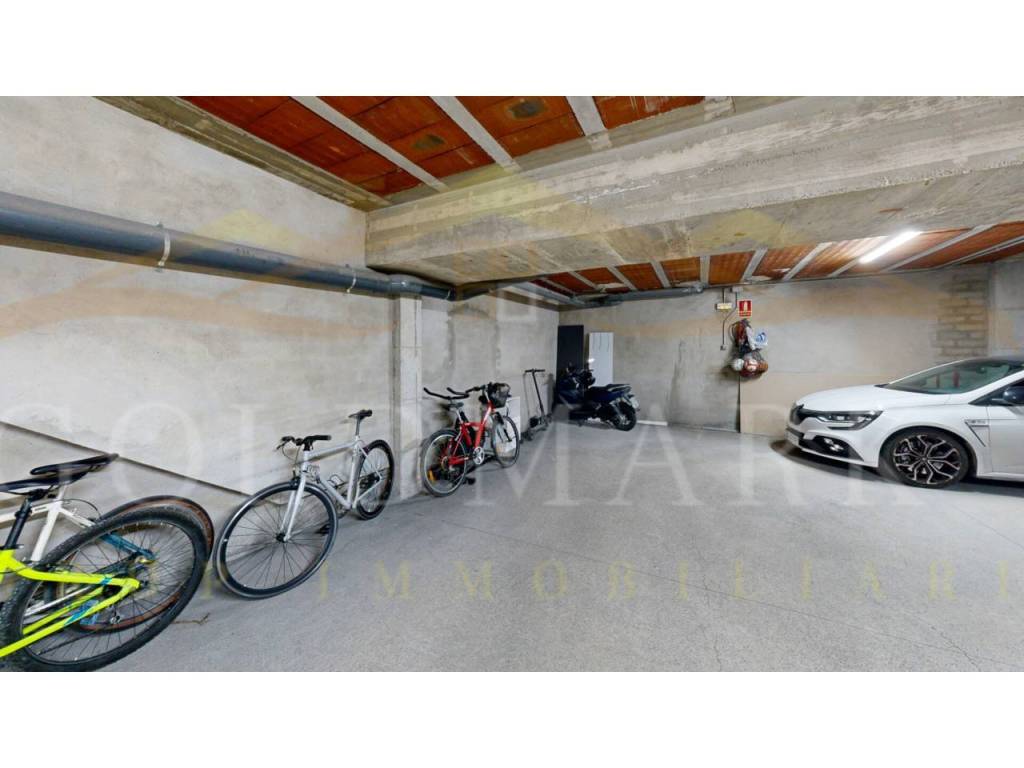
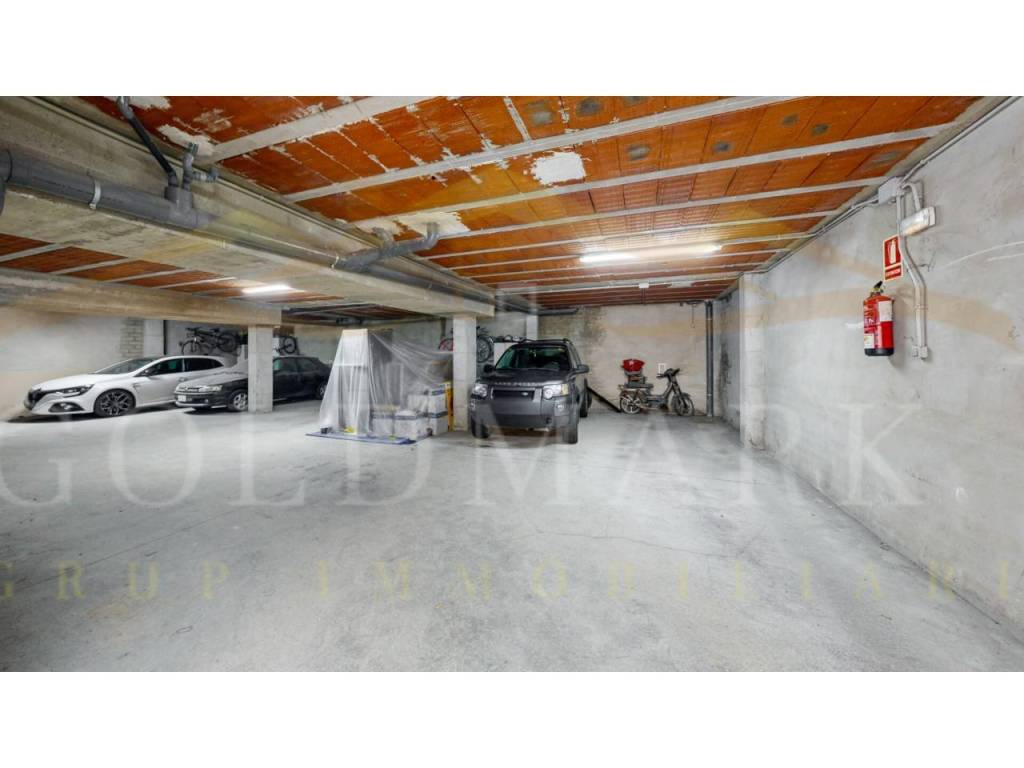
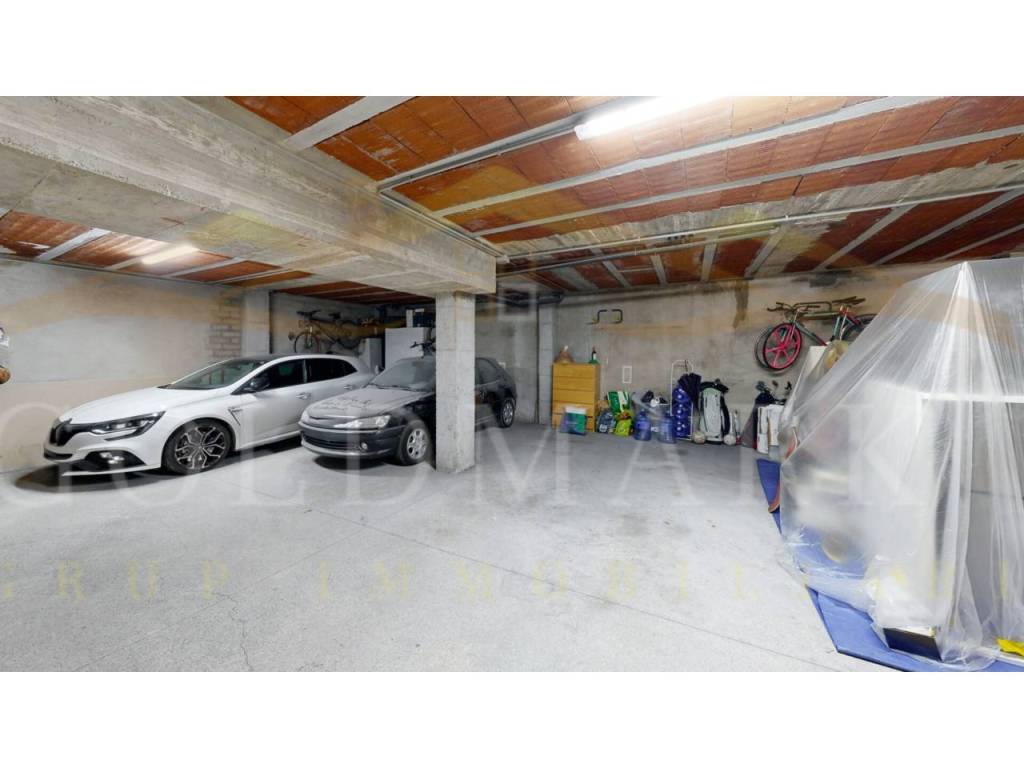
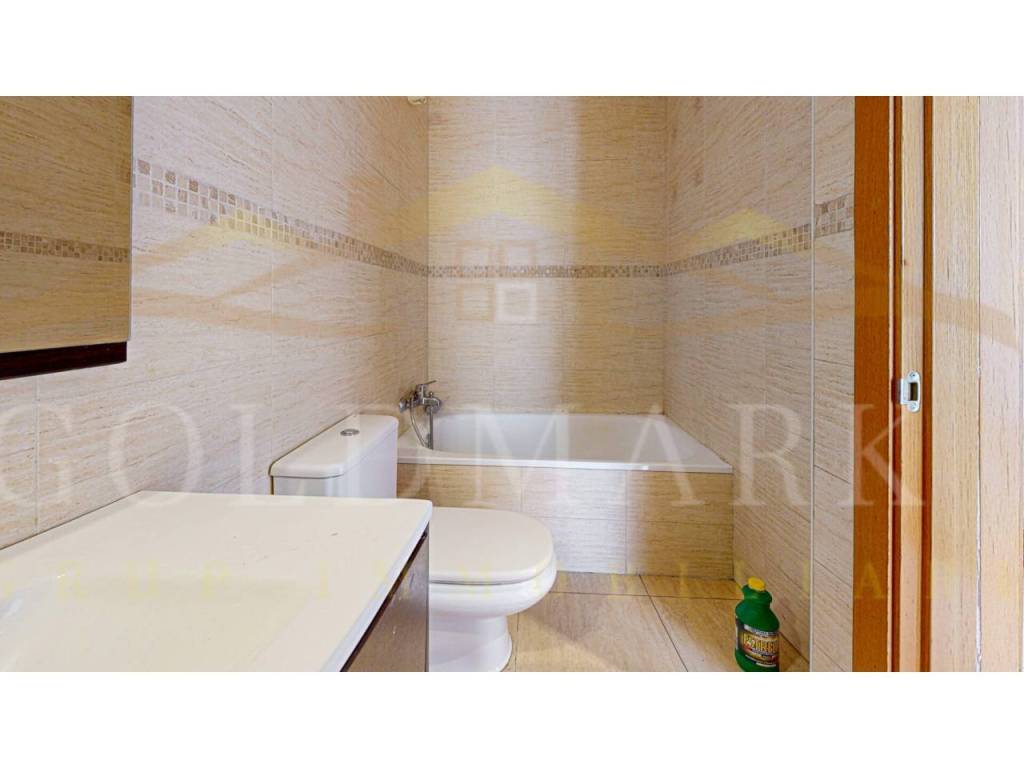
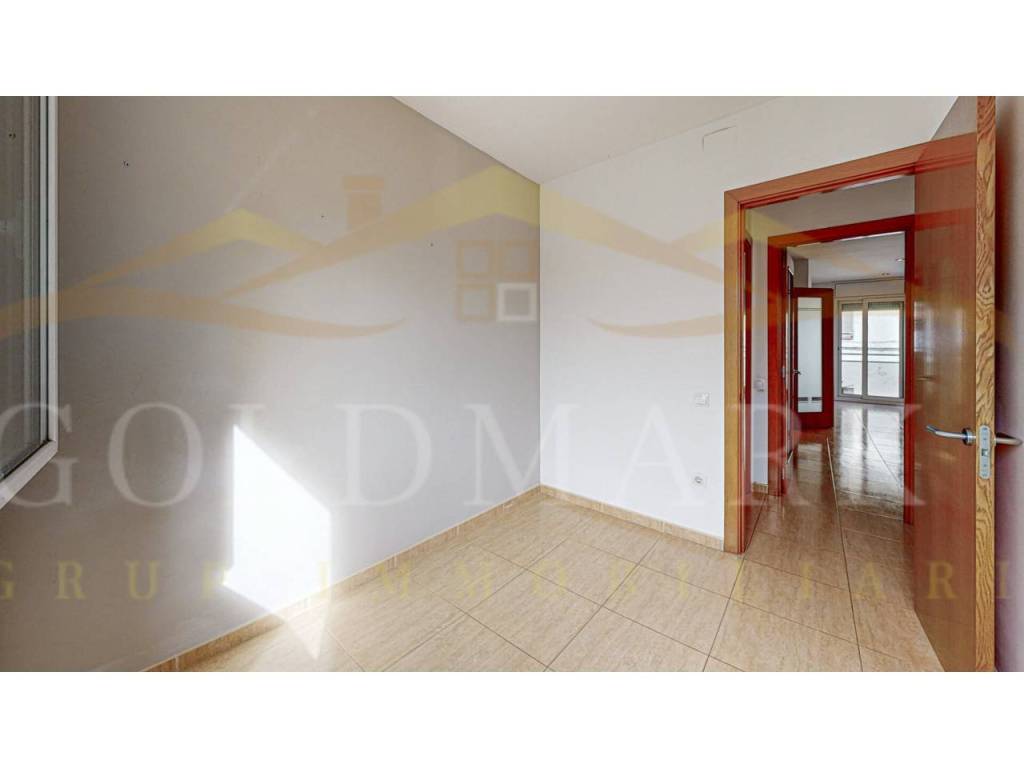
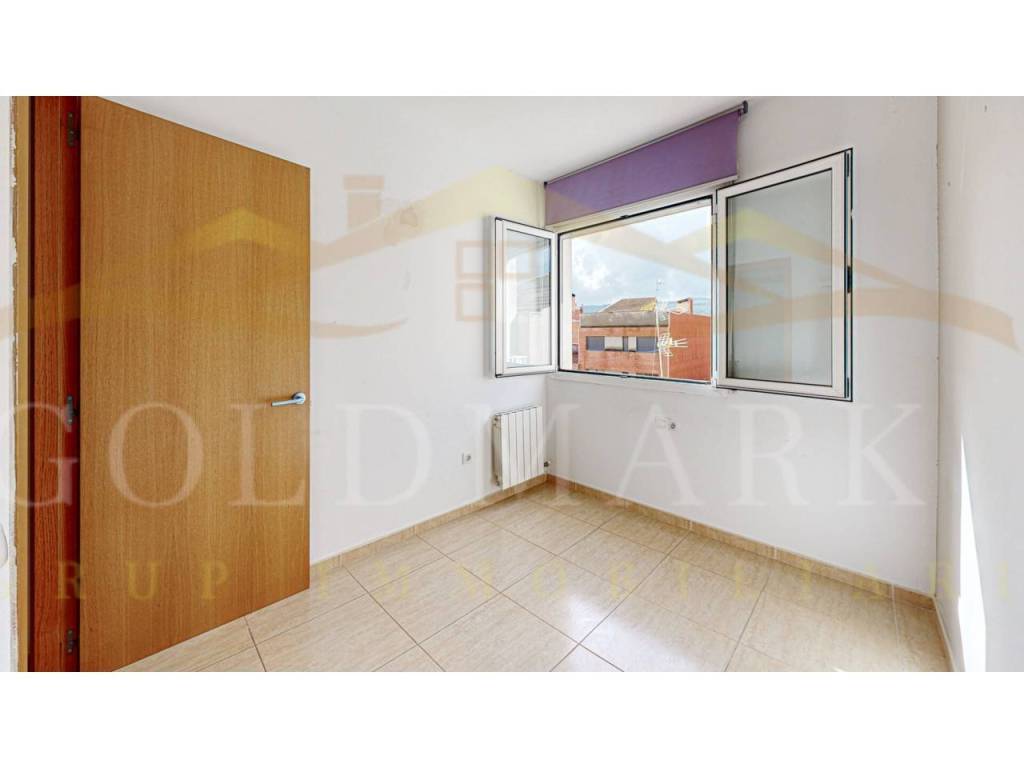
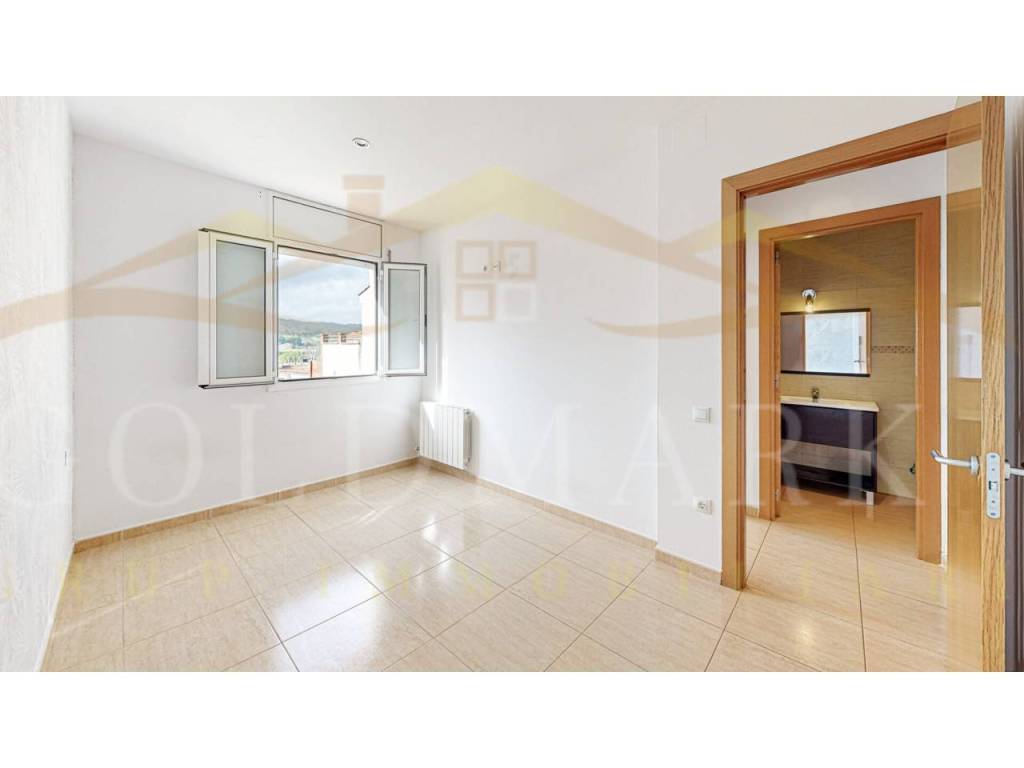
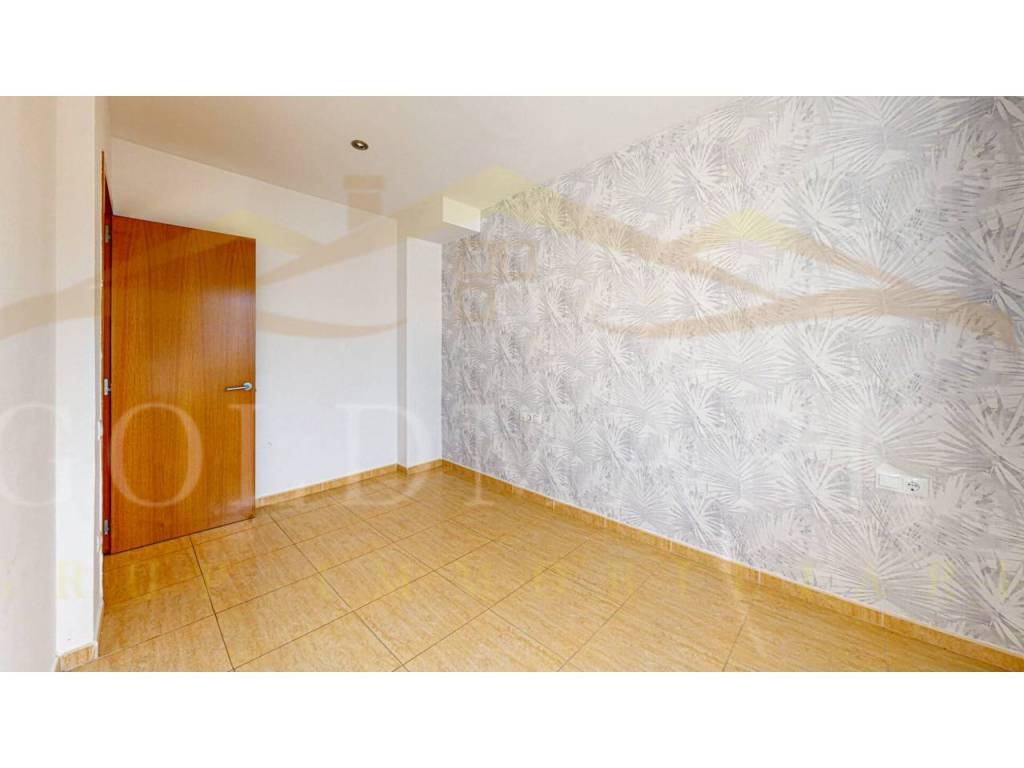
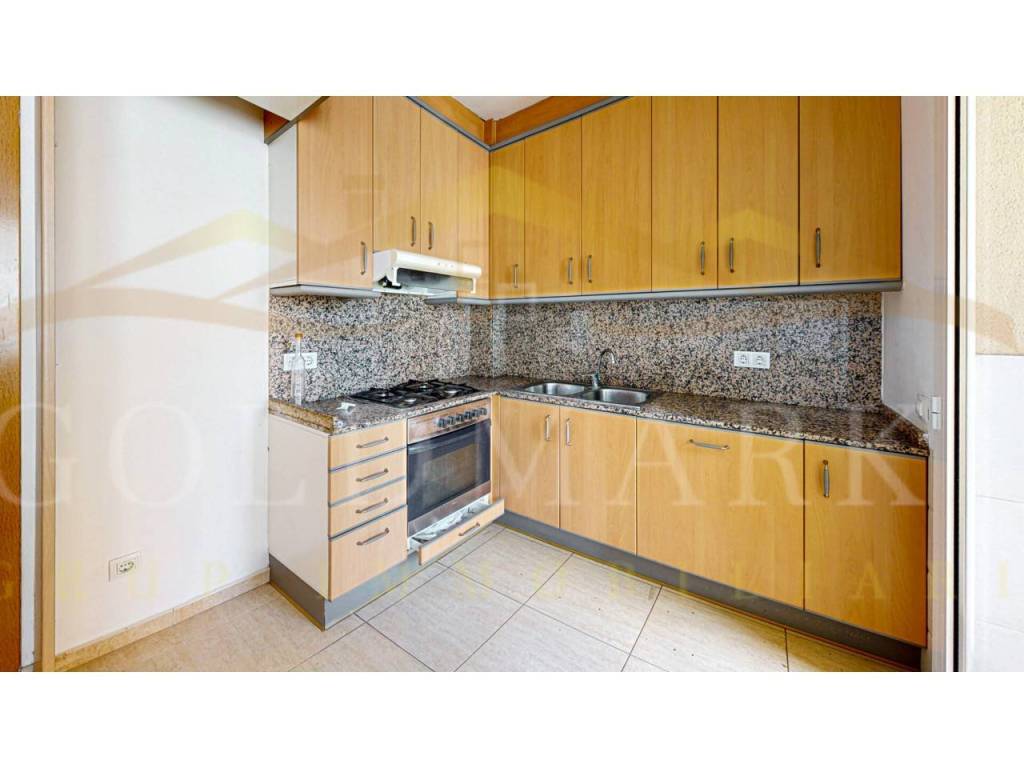
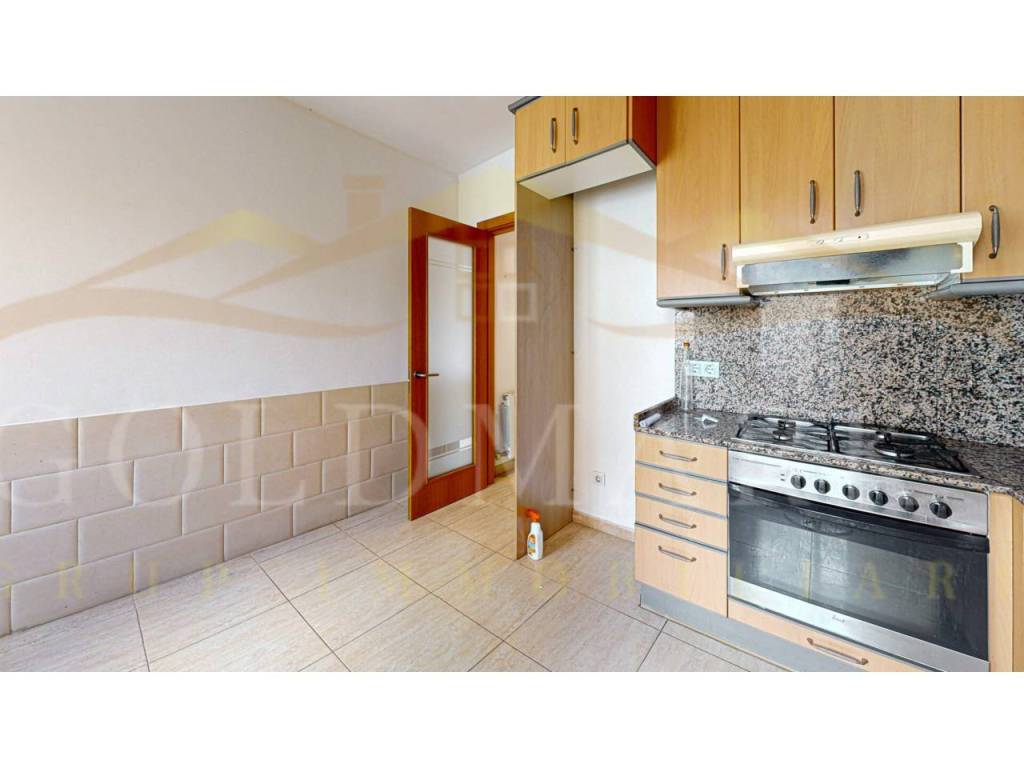
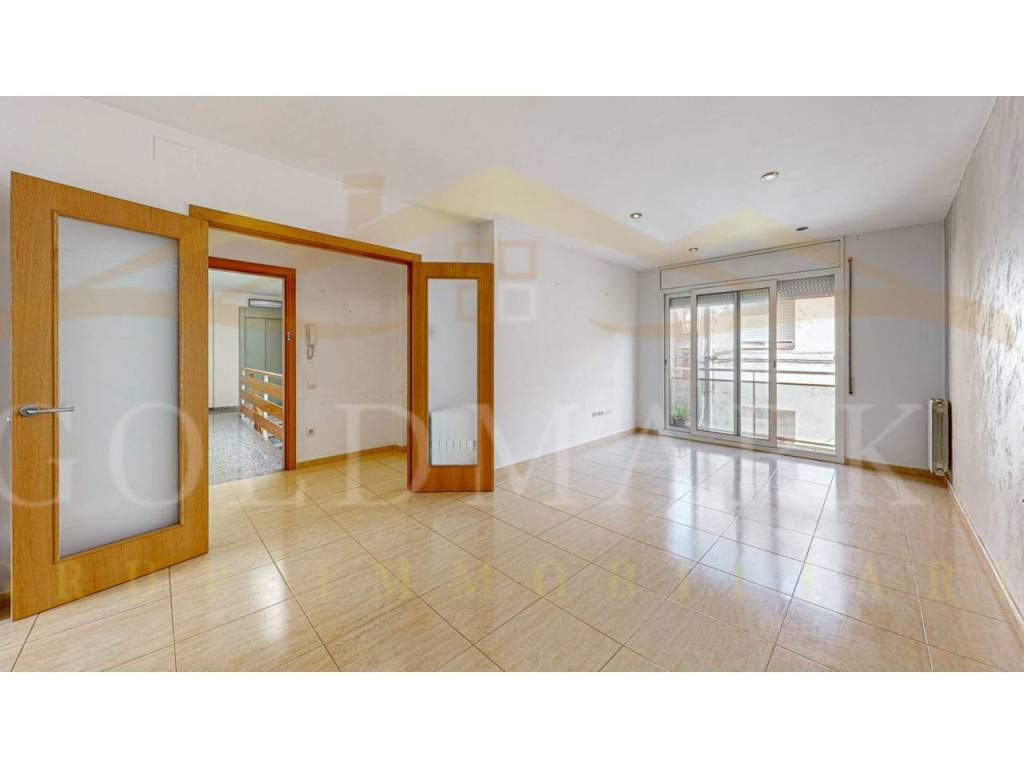
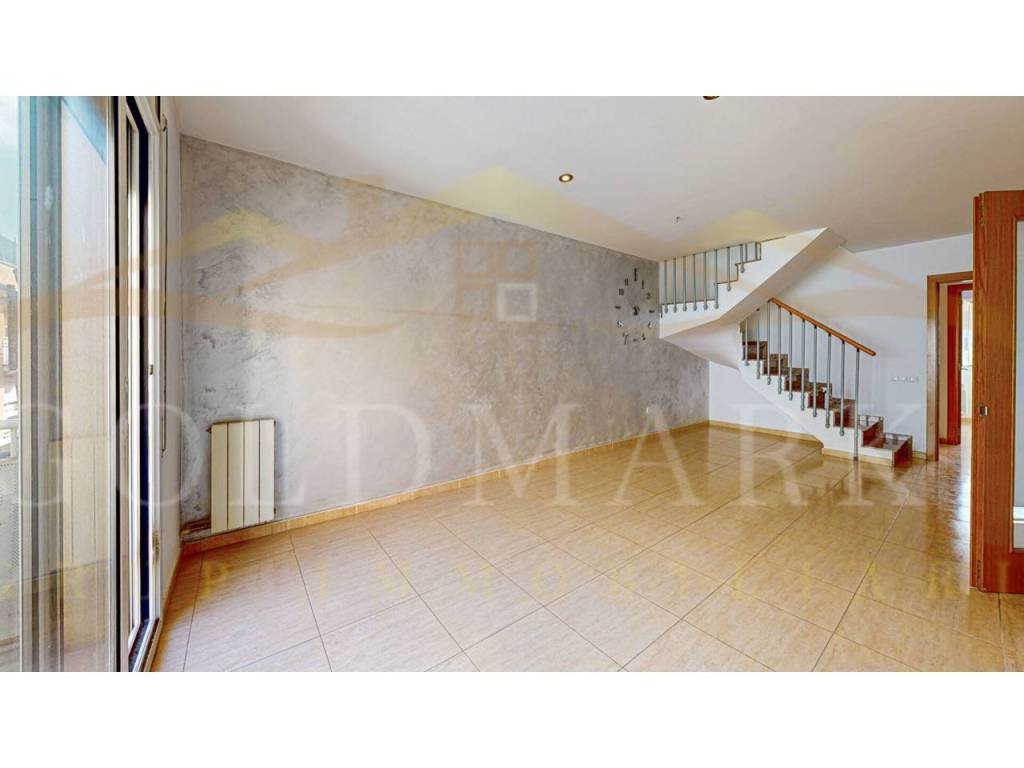
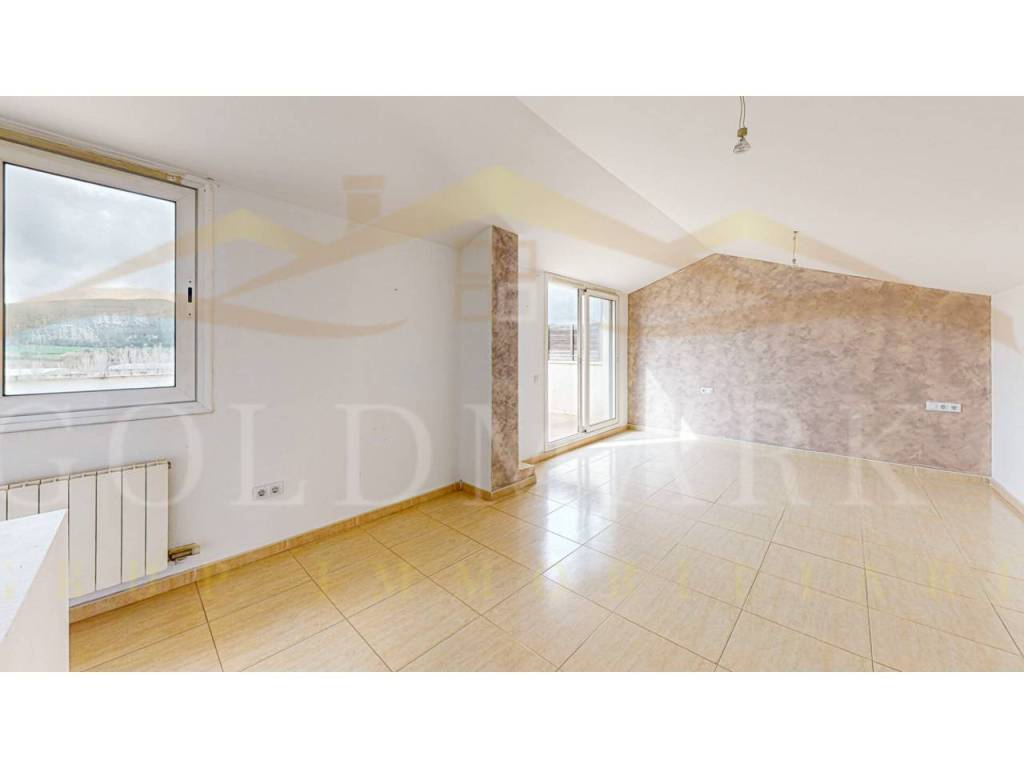
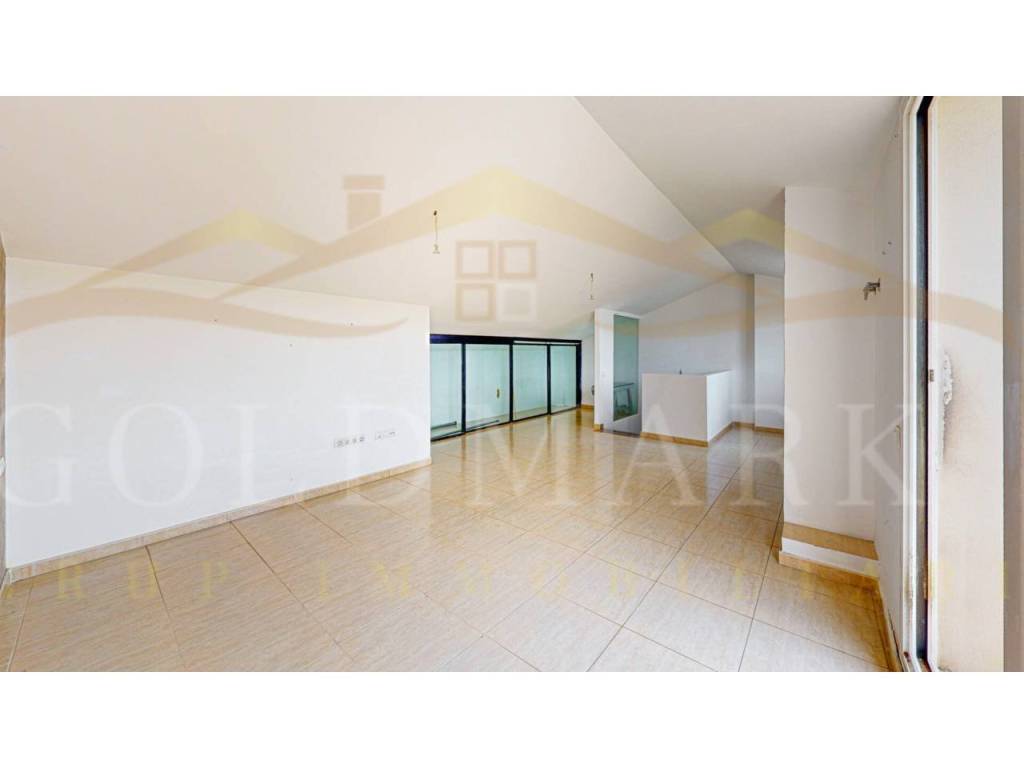
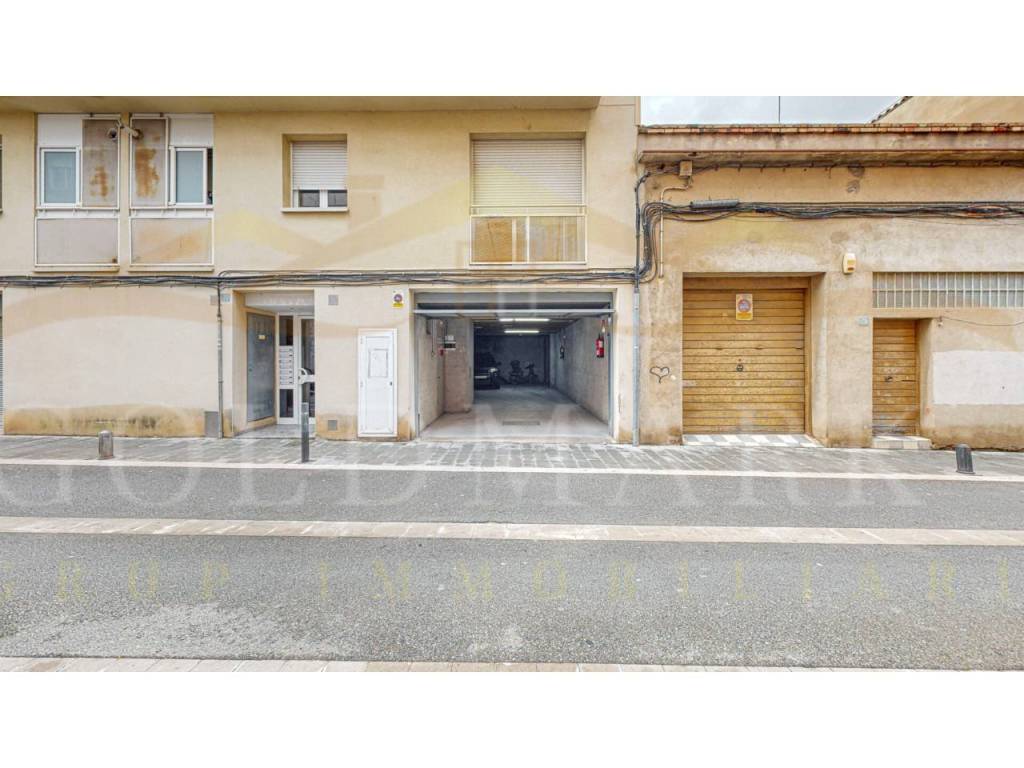
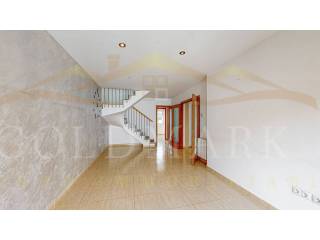
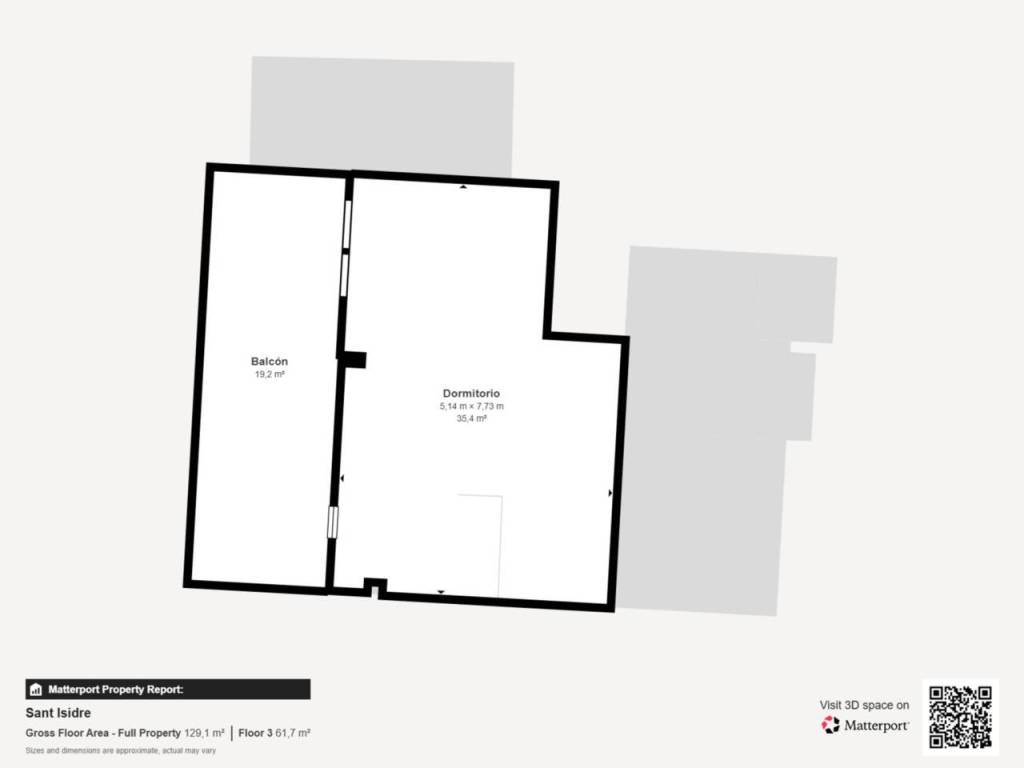
DUPLEX PENTHOUSE 103M2, 3 bedrooms (9.9M2, 6.1M2 AND 35M2 attic), 1 bathroom, open kitchen, living room 21m2, terrace 19m2, parking, gas heating by radiators, double-glazed aluminum windows, alarm, Community Fee €50/Month. Year 2005
Note: The offered price does not include the Property Transfer Tax (ITP), which is entirely the buyer's responsibility, nor the legally applicable notary, registration, and administrative fees.
Vilanova del Camí is a Spanish municipality and locality located in the comarca of l'Anoia, in the province of Barcelona, Catalonia. It has a population of 12,936 inhabitants (INE 2025) and an area of 10.54 km². Most of the population is concentrated in the town, although there are also separate nuclei: Can Titó and Els Moletons.
History
The municipality has a recent history. The unification of the two population centers that originated the municipality of Villanueva del Camino did not occur until the late 1830s. When we talk about the beginnings of the municipality, we have to talk about two different populations: Quadra de Villanueva, which jurisdictionally belonged to Mombuy, and the other, Vilanova del Camí, which belonged to the Claramunt family.
The first houses were built next to a fortified center that acted as an advance tower of the Claramunt castle, a vantage point over Igualada, a town with royal condominium that represented an enemy of feudal interests.
This castle or fortified house is documented in 1206, although the first time we find the name Villanueva del Camino mentioned is in a 14th-century document (1324). In that same century, we know of the existence of a Jewish community and have the first references to the church of San Hilario.
From the 18th century onwards, after the hardships of war and the epidemics of the following centuries, the population of Vilanova del Camí began to grow. Our economy, which had always been based on agriculture, diversified with the construction of mills. During the 18th century, Vilanova del Camí gained two independences: first, jurisdictional, in 1727, when the Duke of Medinaceli granted segregation from La Pobla de Claramunt and an independent municipality was created; secondly, ecclesiastical, in 1779, when the church of San Hilario became a parish and ceased to be a subsidiary of La Pobla. The industrial crisis in Igualada — industry was another economic base of Vilanova — influenced the demographic decline that reduced Vilanova's population at the beginning of the 19th century to around 450 inhabitants. This demographic evolution again shows the municipality's dependence on Igualada's industries. This trend began to break at the end of the century with the arrival of the train, which led to the installation of plaster factories and textile mills alongside the railroad.
The 20th century's development also followed Igualada closely. The needs of the new knitwear industry caused strong immigration that in the 1960s and '70s found in Vilanova's lands cheap ground to build housing. In 1950 there were 656 inhabitants, while by 1998 the population exceeded 10,000. The population thus experienced spectacular growth, initially leading to the development of new neighborhoods that often lacked the most basic infrastructure. With the rule of law, the City Council undertook measures so that the municipality would no longer be a bedroom community of Igualada but would have its own identity, providing Vilanova with all necessary services, from sewage construction and public squares to the building of the covered market, the library, the health center, the entity building, the sports center, and the Can Titó pools, among others.
The current Vilanova
Villanueva del Camino embarked at the start of the new millennium on a new future challenge based on three areas: sustainable urban growth, cultural development through the multipurpose center Can Papasseit, and environmental recovery with the launch of a pioneering project called “Defense of the Noya River,” which reformed the entire river area and transformed it into a space dedicated to leisure and sports enjoyed by the inhabitants of Vilanova as well as neighbors of the Ódena Basin, especially those that share a riverfront.
The Neighborhood Law, 2007-2011, represented for Villanueva del Camino a historic opportunity that the municipality did not miss. A social, economic, and urban boost for two vital community nuclei, Camp del Rei and the old town. The joint effort of the Generalitat and local administration, with an investment of 8 million euros, allowed, among other actions, the urbanization of the city’s heart: the church square, and the streets Onze de Setembre, Jacint Verdaguer, Santa Lucía, and now also Calle Mayor, which is to become a commercial axis.
Note: The offered price does not include the Property Transfer Tax (ITP), which is entirely the buyer's responsibility, nor the legally applicable notary, registration, and administrative fees.
Vilanova del Camí is a Spanish municipality and locality located in the comarca of l'Anoia, in the province of Barcelona, Catalonia. It has a population of 12,936 inhabitants (INE 2025) and an area of 10.54 km². Most of the population is concentrated in the town, although there are also separate nuclei: Can Titó and Els Moletons.
History
The municipality has a recent history. The unification of the two population centers that originated the municipality of Villanueva del Camino did not occur until the late 1830s. When we talk about the beginnings of the municipality, we have to talk about two different populations: Quadra de Villanueva, which jurisdictionally belonged to Mombuy, and the other, Vilanova del Camí, which belonged to the Claramunt family.
The first houses were built next to a fortified center that acted as an advance tower of the Claramunt castle, a vantage point over Igualada, a town with royal condominium that represented an enemy of feudal interests.
This castle or fortified house is documented in 1206, although the first time we find the name Villanueva del Camino mentioned is in a 14th-century document (1324). In that same century, we know of the existence of a Jewish community and have the first references to the church of San Hilario.
From the 18th century onwards, after the hardships of war and the epidemics of the following centuries, the population of Vilanova del Camí began to grow. Our economy, which had always been based on agriculture, diversified with the construction of mills. During the 18th century, Vilanova del Camí gained two independences: first, jurisdictional, in 1727, when the Duke of Medinaceli granted segregation from La Pobla de Claramunt and an independent municipality was created; secondly, ecclesiastical, in 1779, when the church of San Hilario became a parish and ceased to be a subsidiary of La Pobla. The industrial crisis in Igualada — industry was another economic base of Vilanova — influenced the demographic decline that reduced Vilanova's population at the beginning of the 19th century to around 450 inhabitants. This demographic evolution again shows the municipality's dependence on Igualada's industries. This trend began to break at the end of the century with the arrival of the train, which led to the installation of plaster factories and textile mills alongside the railroad.
The 20th century's development also followed Igualada closely. The needs of the new knitwear industry caused strong immigration that in the 1960s and '70s found in Vilanova's lands cheap ground to build housing. In 1950 there were 656 inhabitants, while by 1998 the population exceeded 10,000. The population thus experienced spectacular growth, initially leading to the development of new neighborhoods that often lacked the most basic infrastructure. With the rule of law, the City Council undertook measures so that the municipality would no longer be a bedroom community of Igualada but would have its own identity, providing Vilanova with all necessary services, from sewage construction and public squares to the building of the covered market, the library, the health center, the entity building, the sports center, and the Can Titó pools, among others.
The current Vilanova
Villanueva del Camino embarked at the start of the new millennium on a new future challenge based on three areas: sustainable urban growth, cultural development through the multipurpose center Can Papasseit, and environmental recovery with the launch of a pioneering project called “Defense of the Noya River,” which reformed the entire river area and transformed it into a space dedicated to leisure and sports enjoyed by the inhabitants of Vilanova as well as neighbors of the Ódena Basin, especially those that share a riverfront.
The Neighborhood Law, 2007-2011, represented for Villanueva del Camino a historic opportunity that the municipality did not miss. A social, economic, and urban boost for two vital community nuclei, Camp del Rei and the old town. The joint effort of the Generalitat and local administration, with an investment of 8 million euros, allowed, among other actions, the urbanization of the city’s heart: the church square, and the streets Onze de Setembre, Jacint Verdaguer, Santa Lucía, and now also Calle Mayor, which is to become a commercial axis.
Features
- Type
- Duplex
- Contract
- Sale
- Floor
- 3 floor
- Lift
- Yes
- Surface
- 103 m²
- Rooms
- 3
- Bedrooms
- 3
- Kitchen
- Separate kitchen
- Bathrooms
- 1
- Balcony
- Yes
- Terrace
- Yes
- Garage, car parking
- 1 in garage/box
Other features
- Alarm system
- External exposure
- Security door
Price information
- Price
- € 230,000
- Price per m²
- 2,233 €/m²
Detail of costs
- Condominium fees
- € 50/month
Energy efficiency
Energy consumption
208 kWh/m² year
Emissions of CO₂
44 kg CO₂/m² yearE
Floorplan
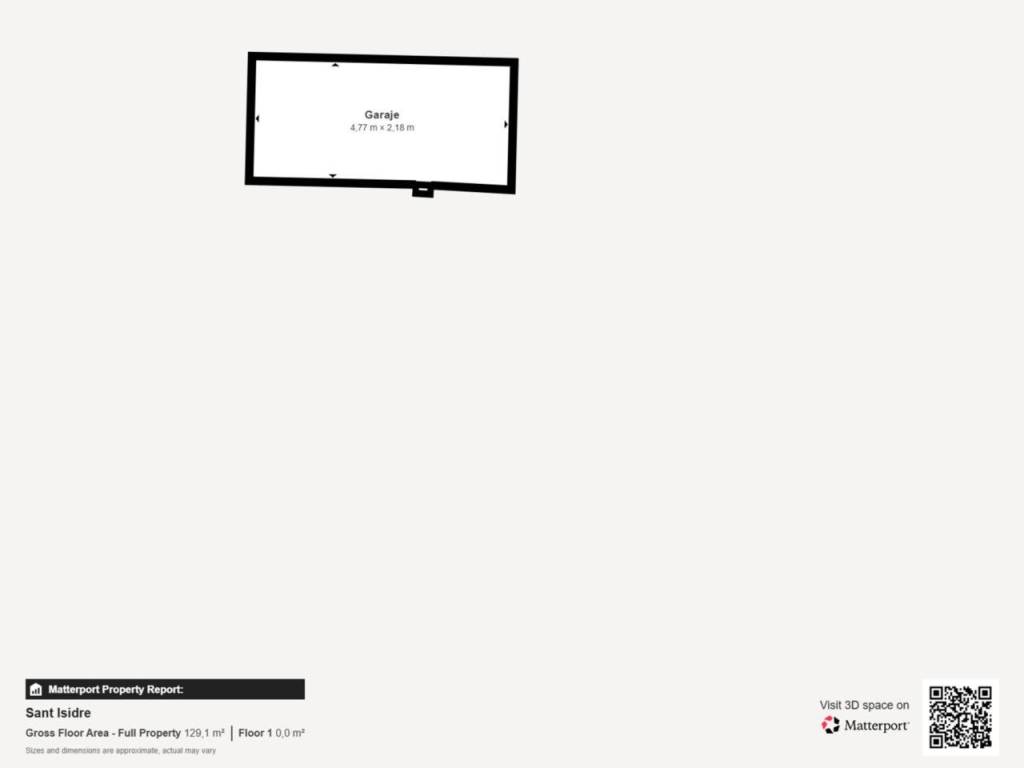
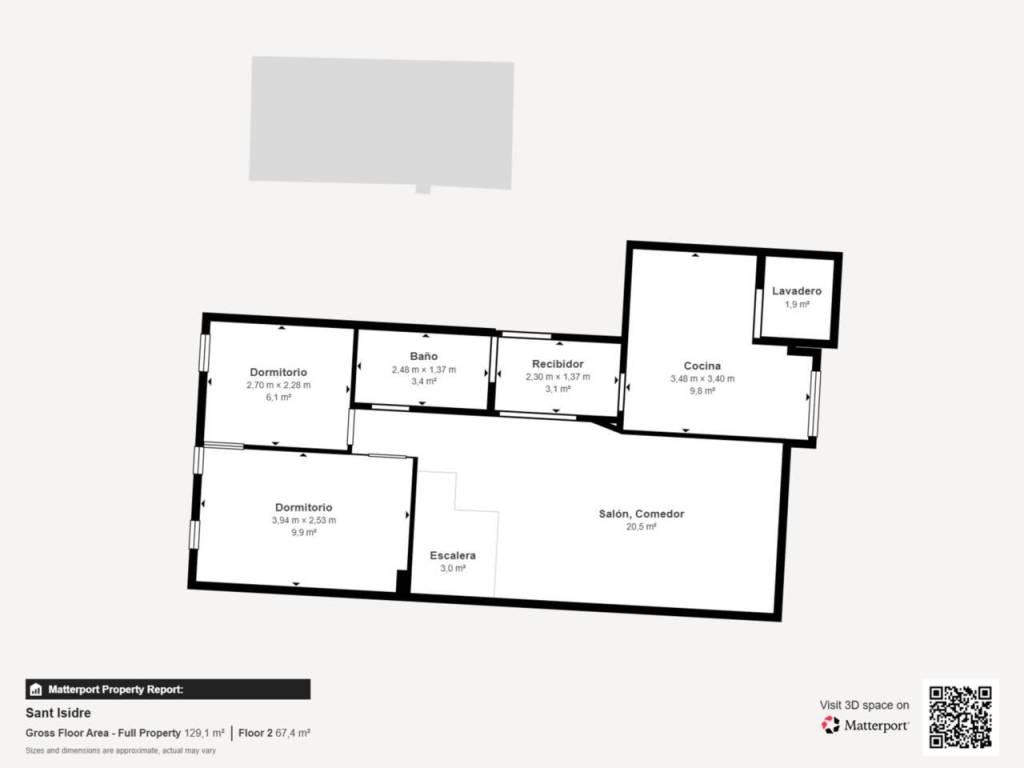
Virtual tour
Discover every corner of the property
+82
Map

Additional options