1/22
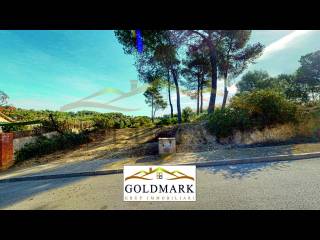
Building land for Sale
€ 120,000
Listing updated on 10/11/2026
Description
reference: SOLAR0003
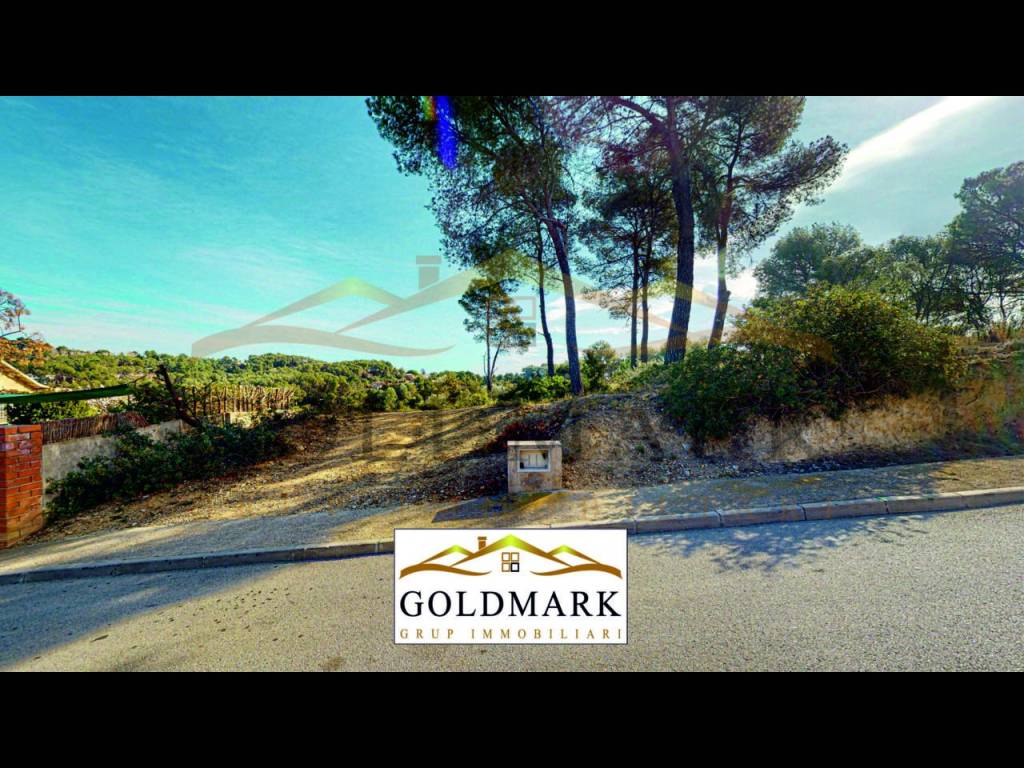
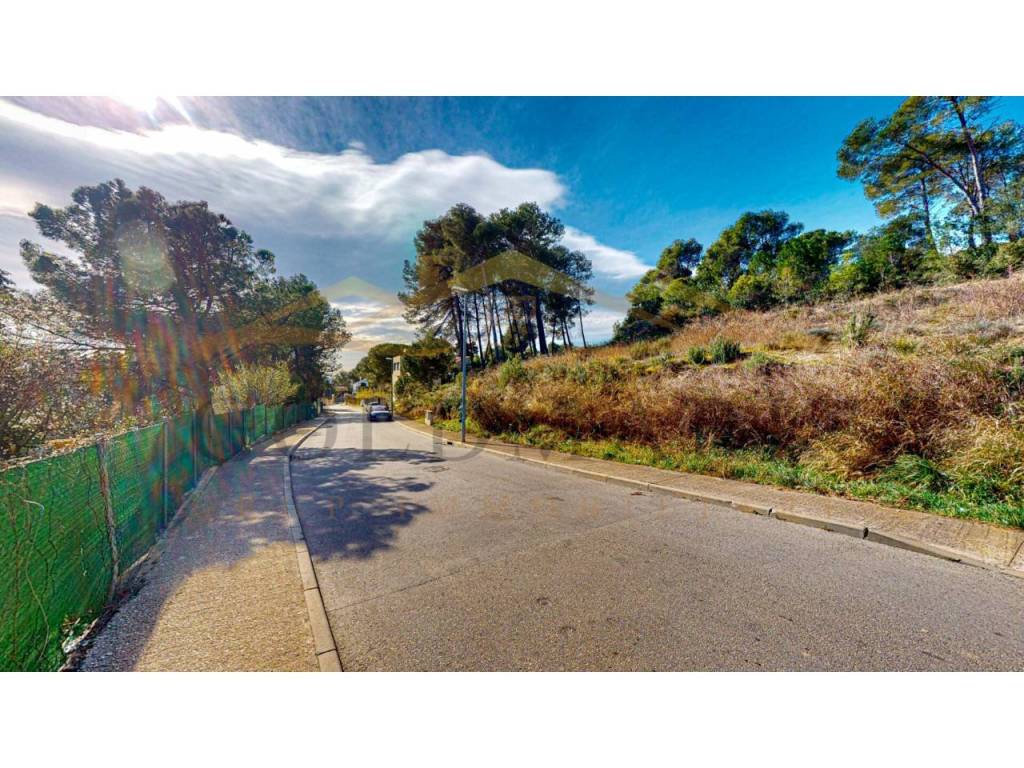
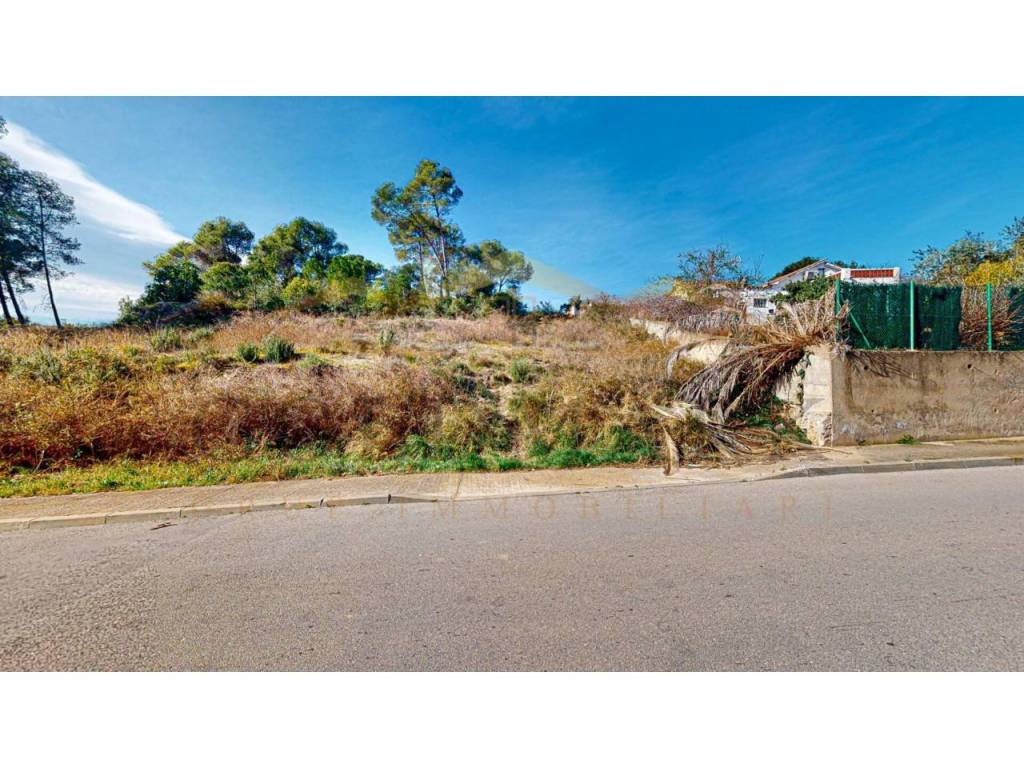
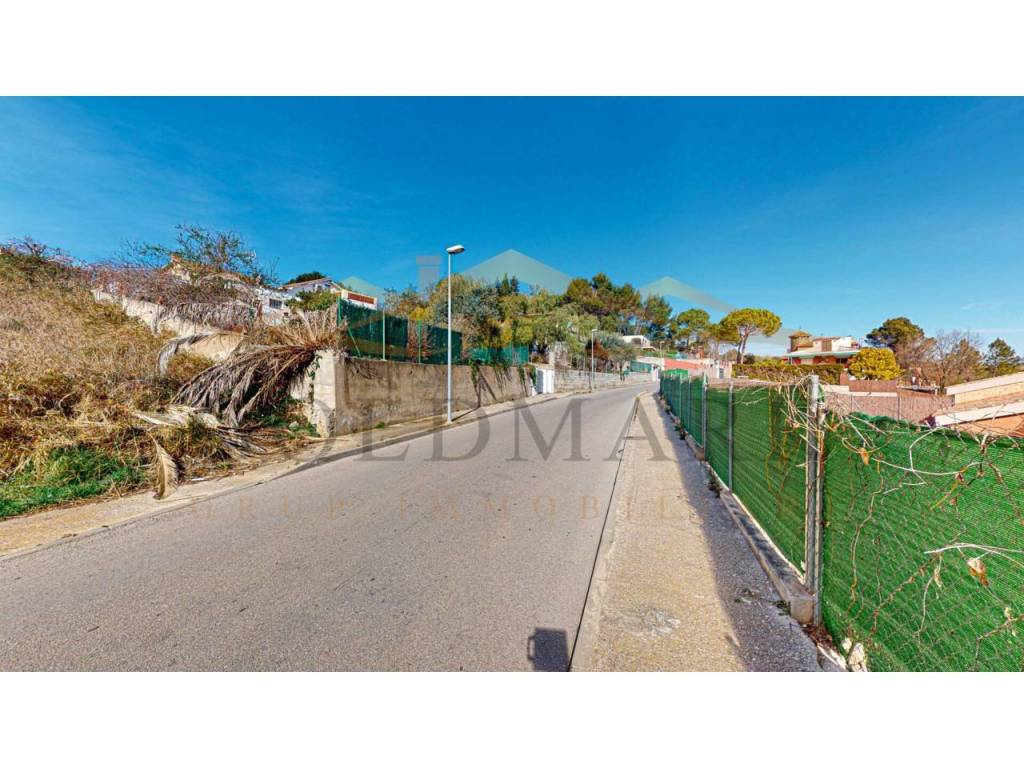
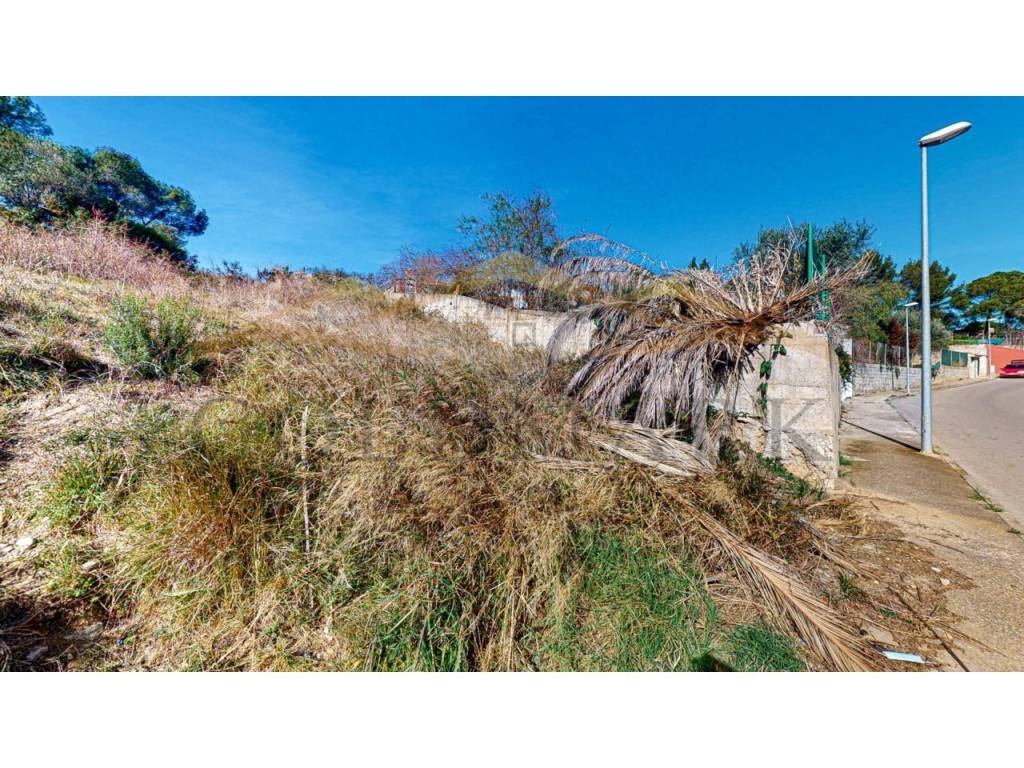
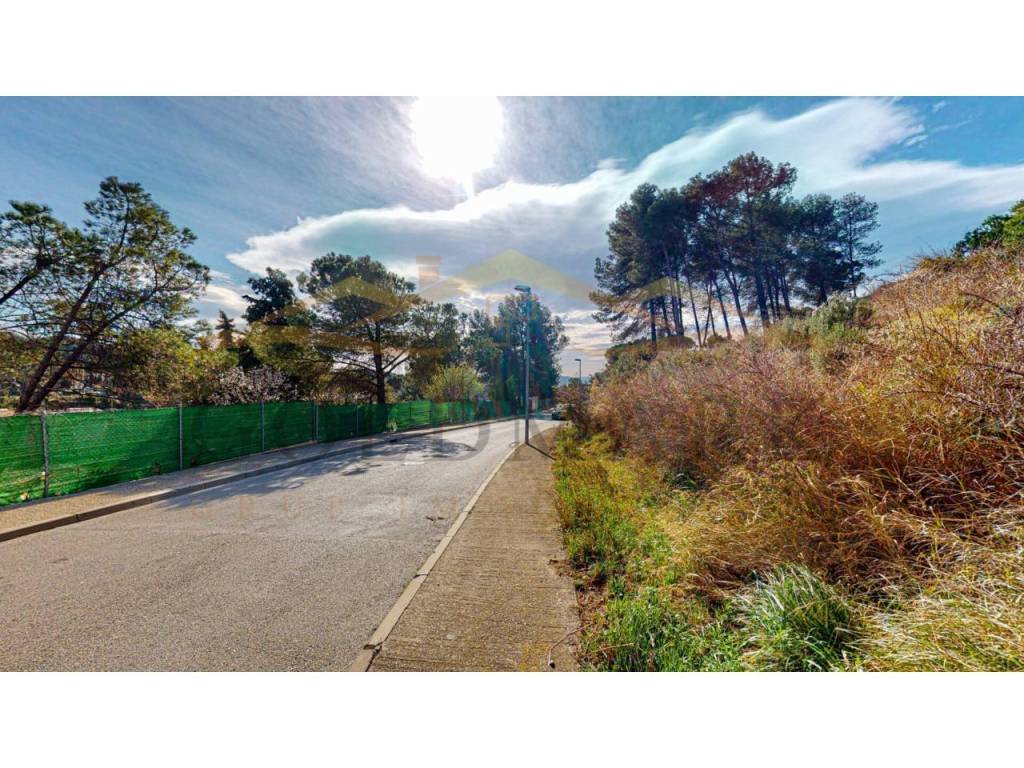
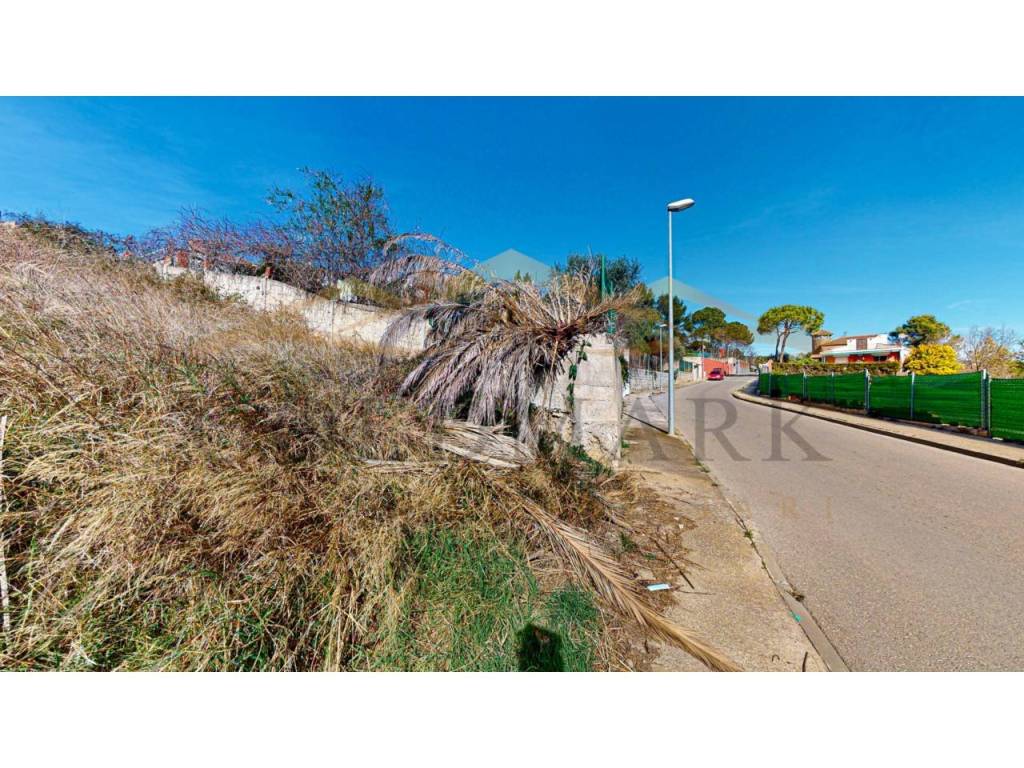
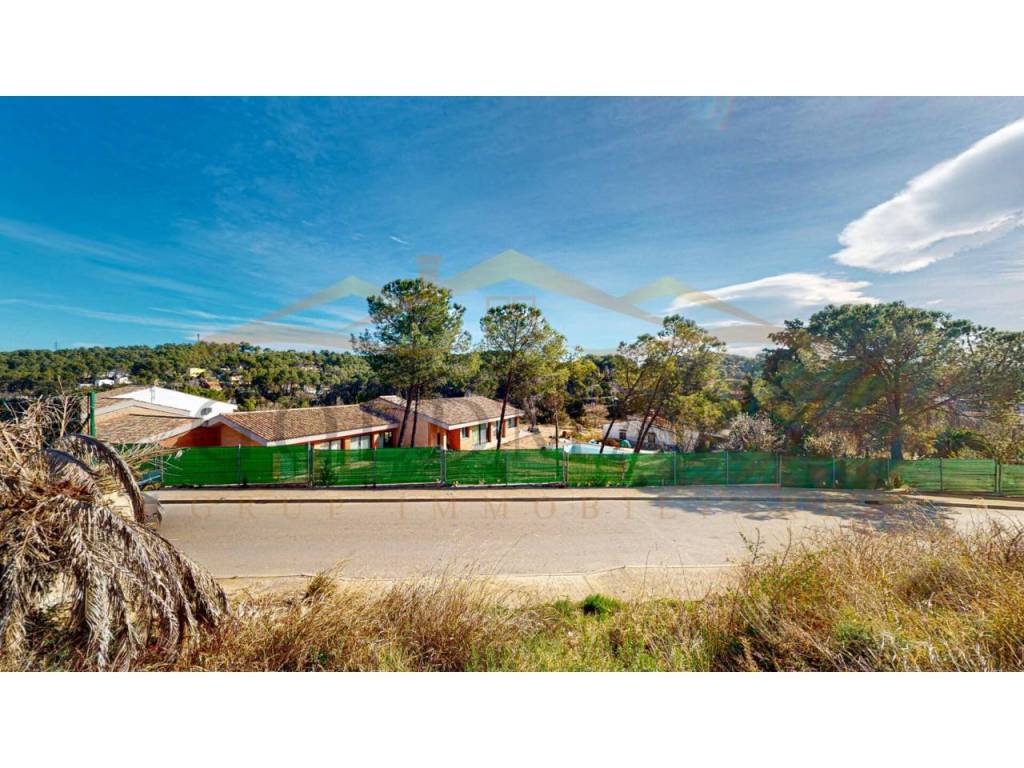
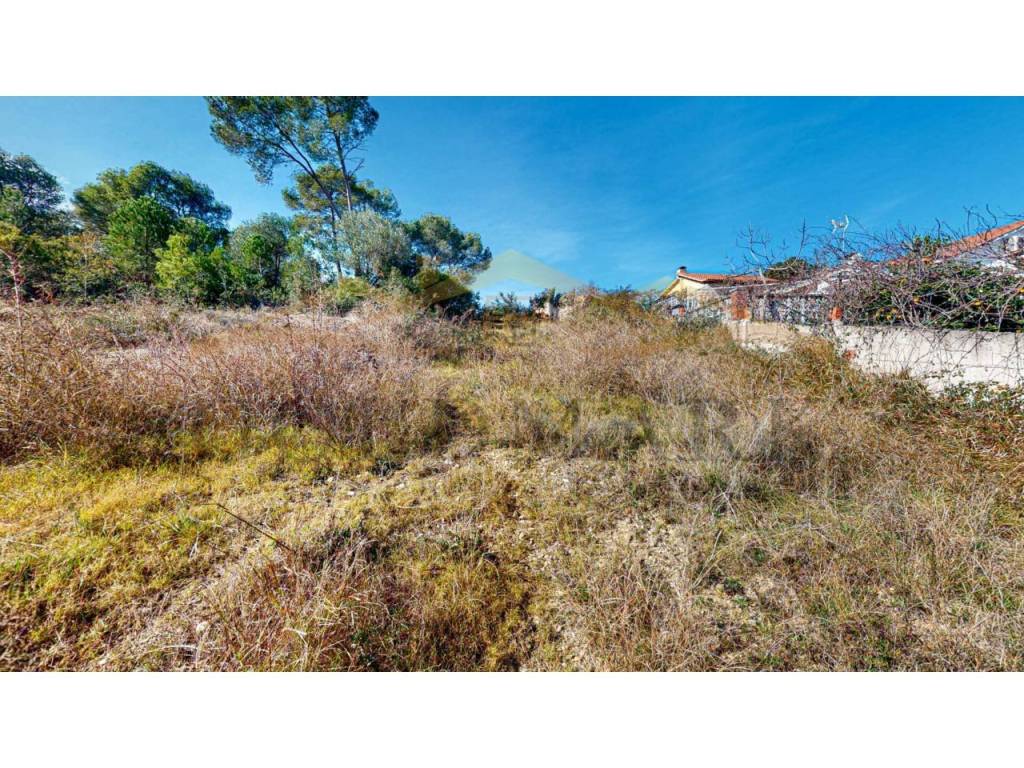
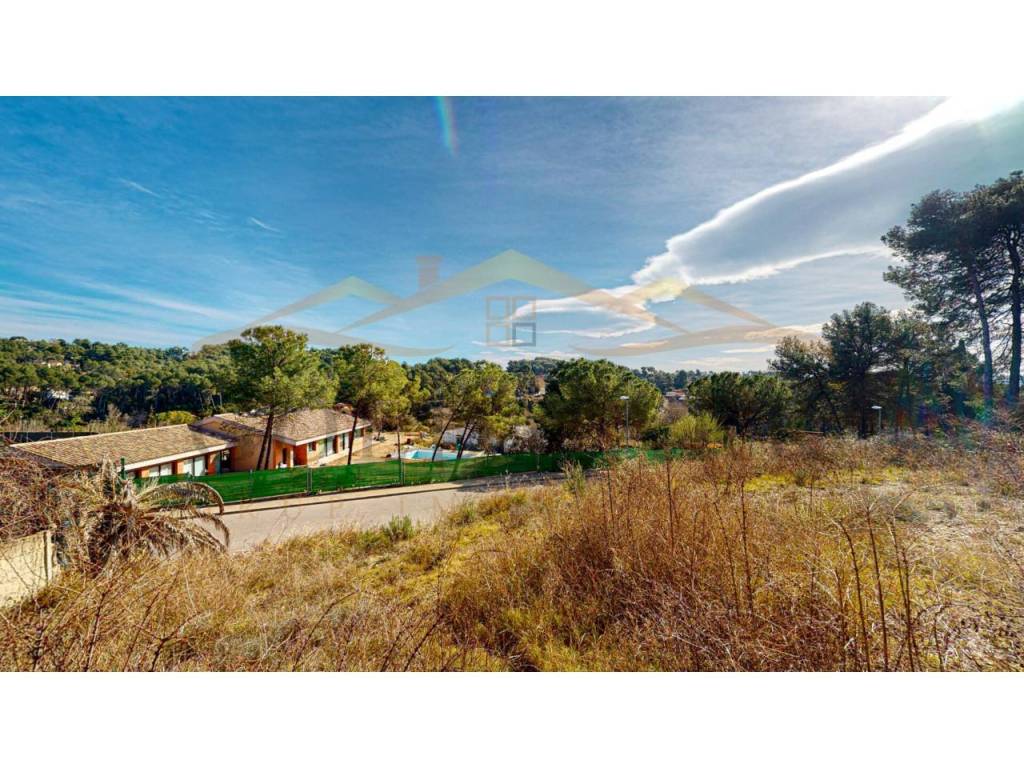
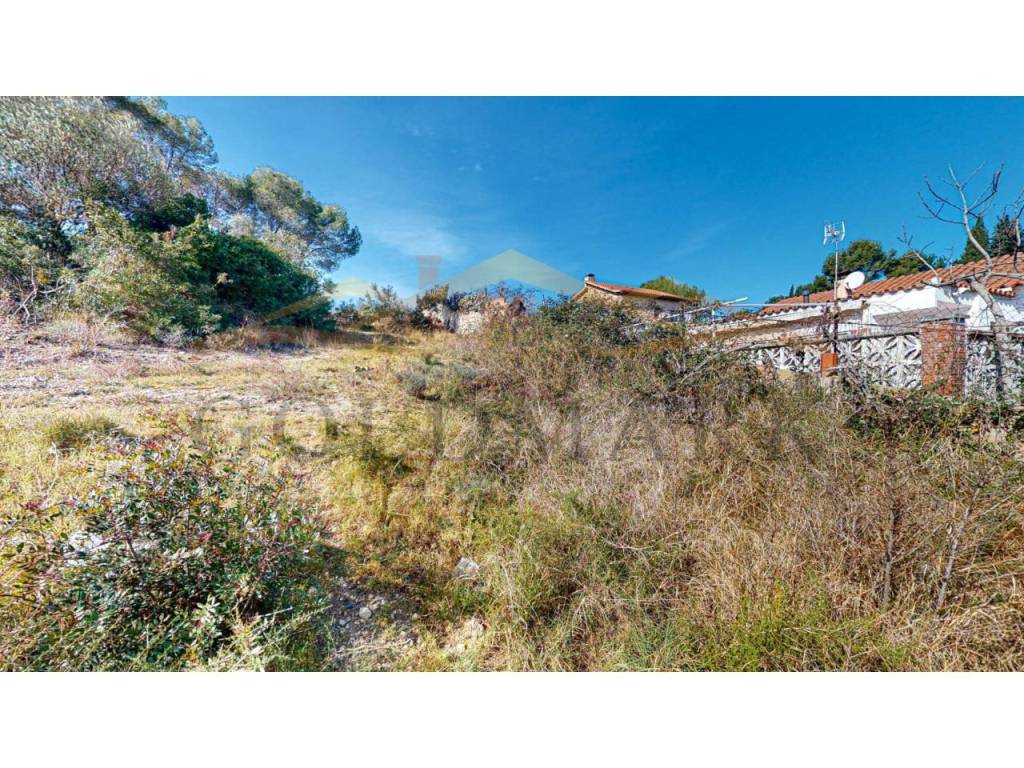
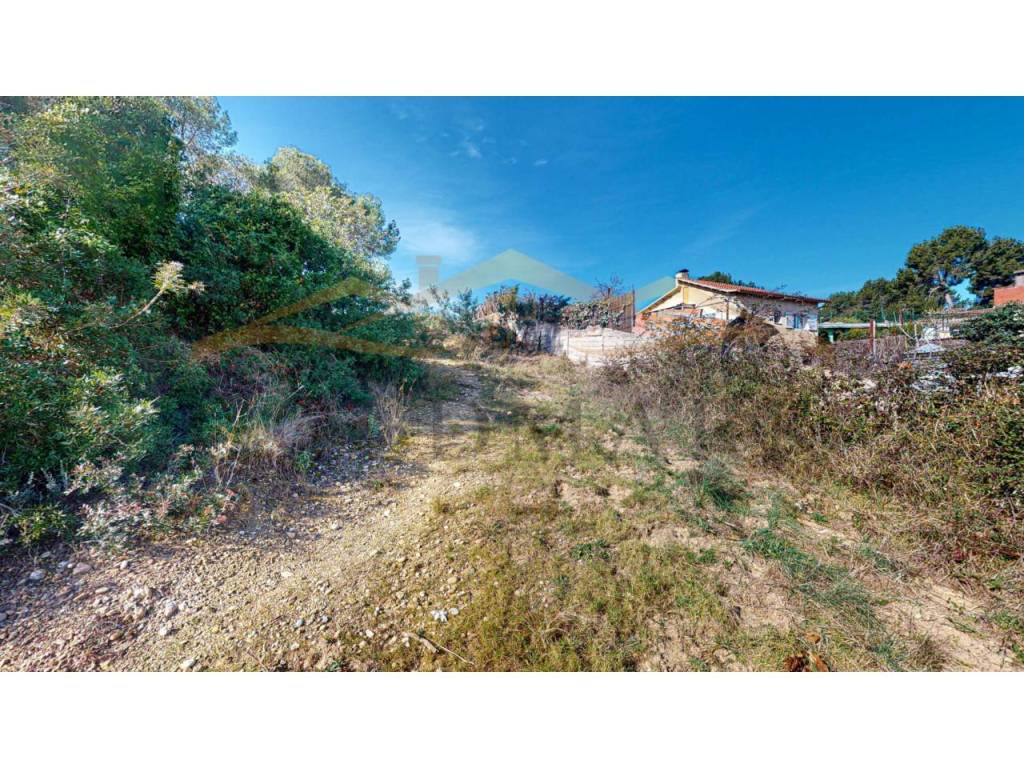
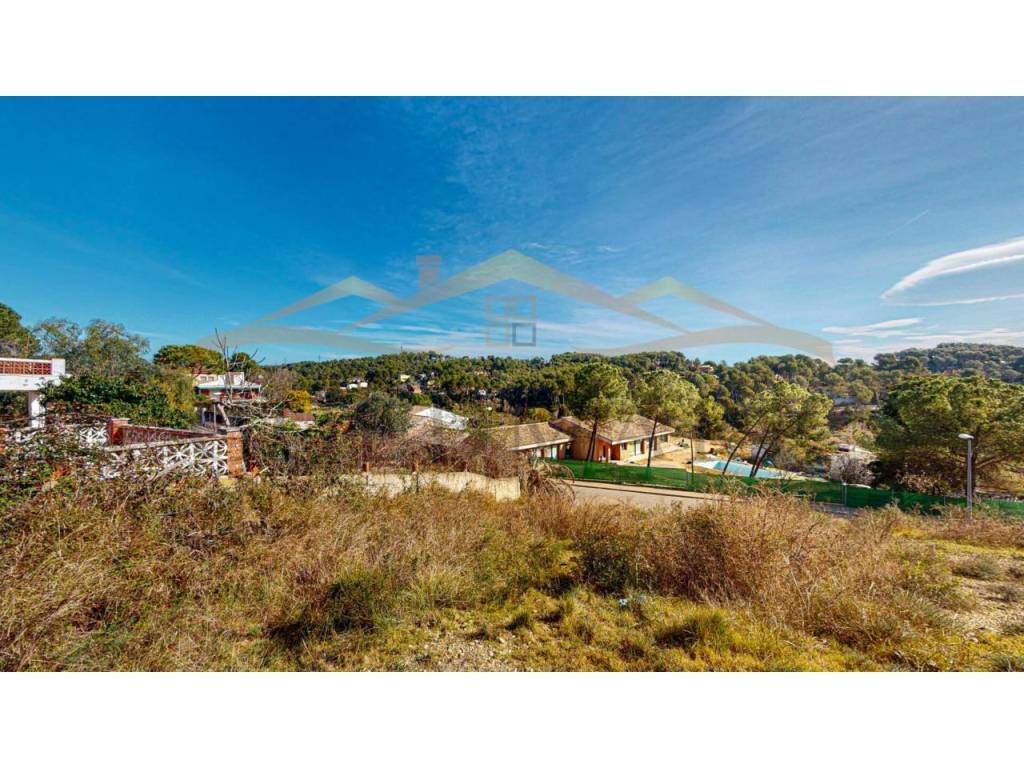
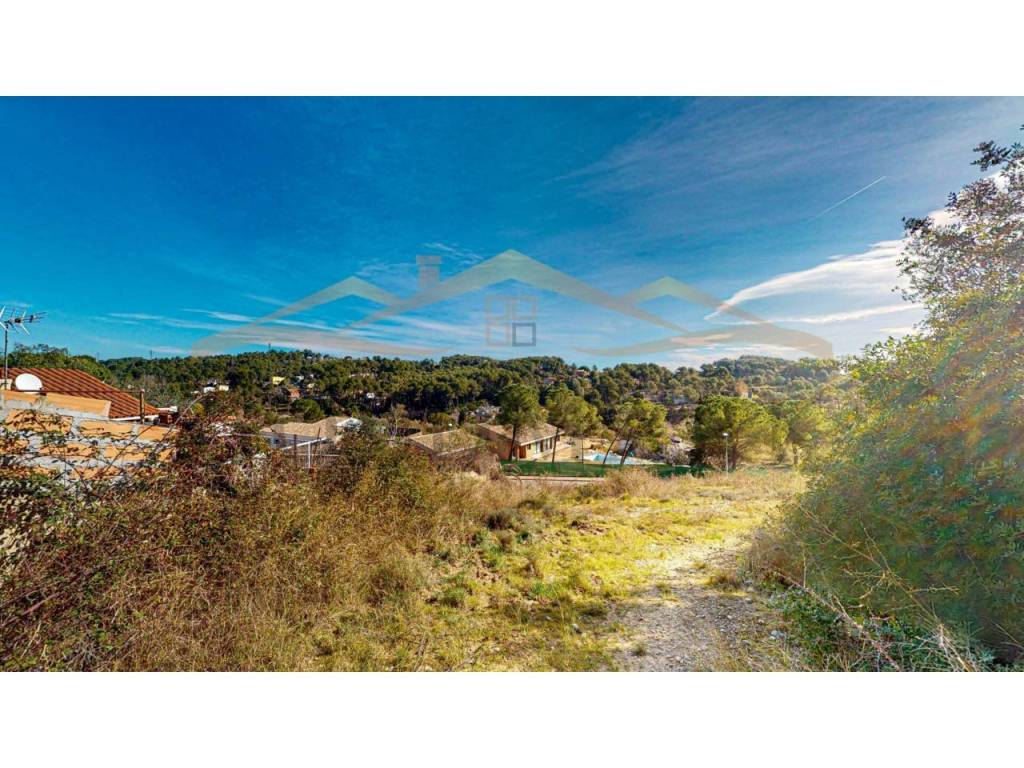
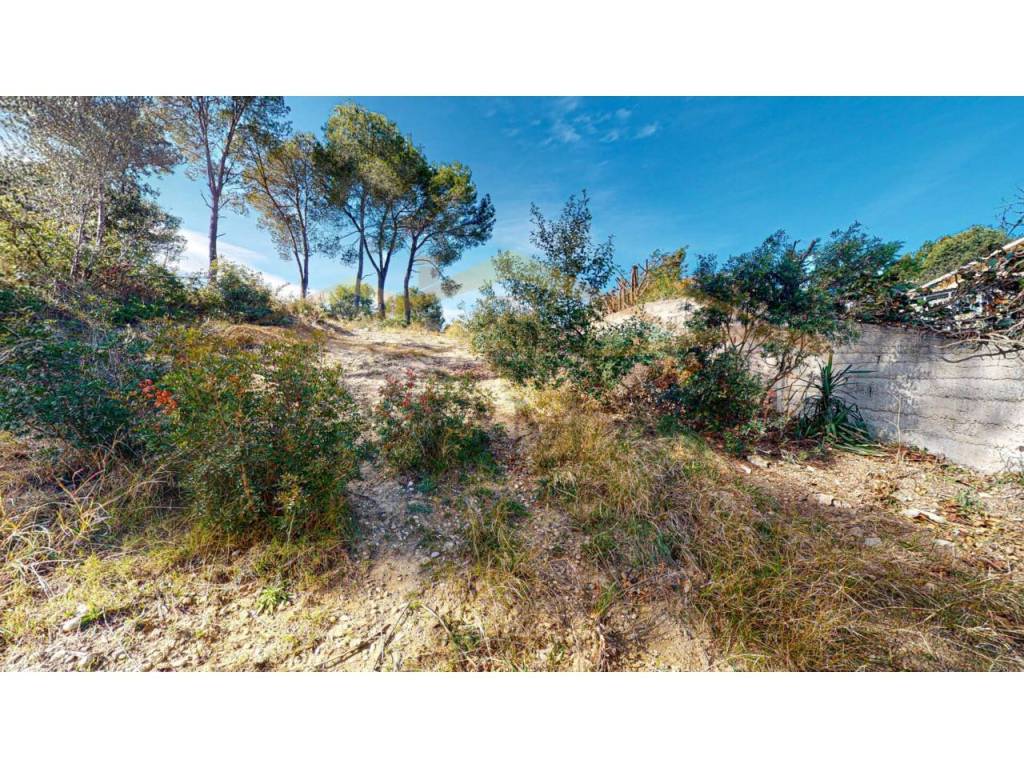
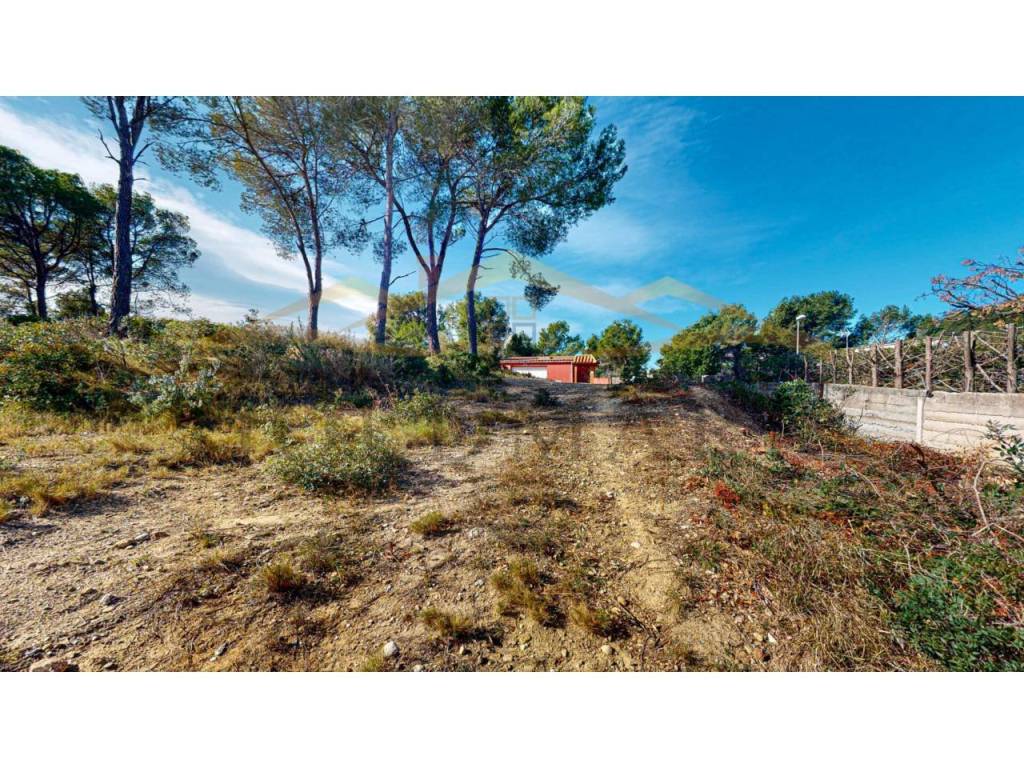
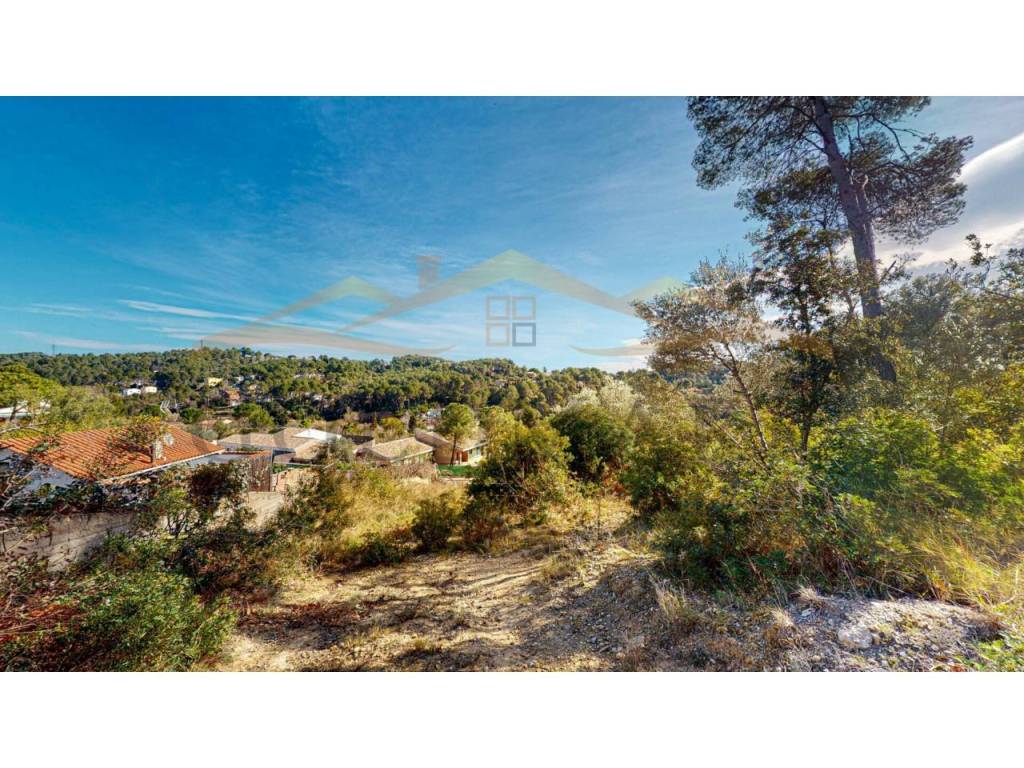
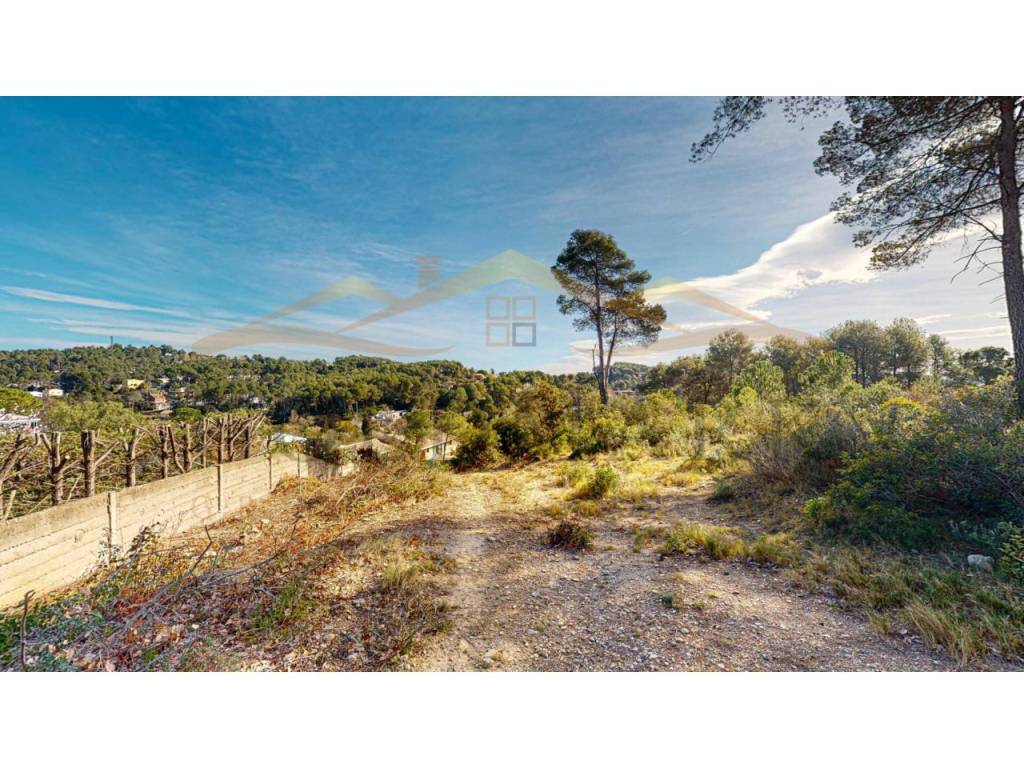
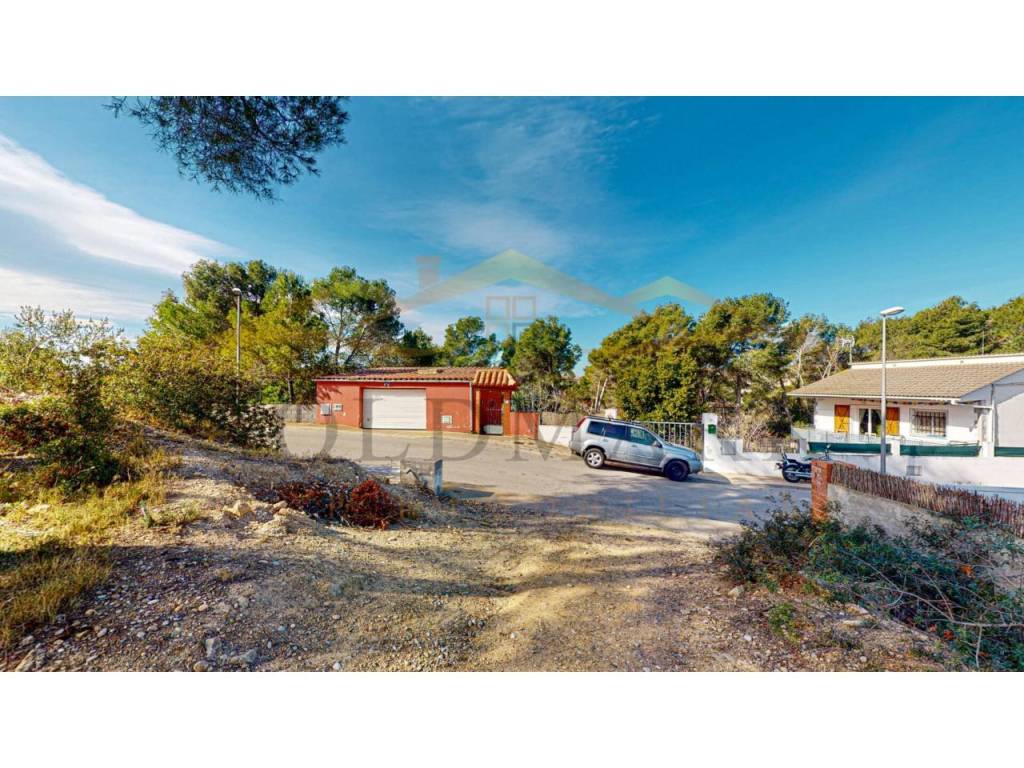
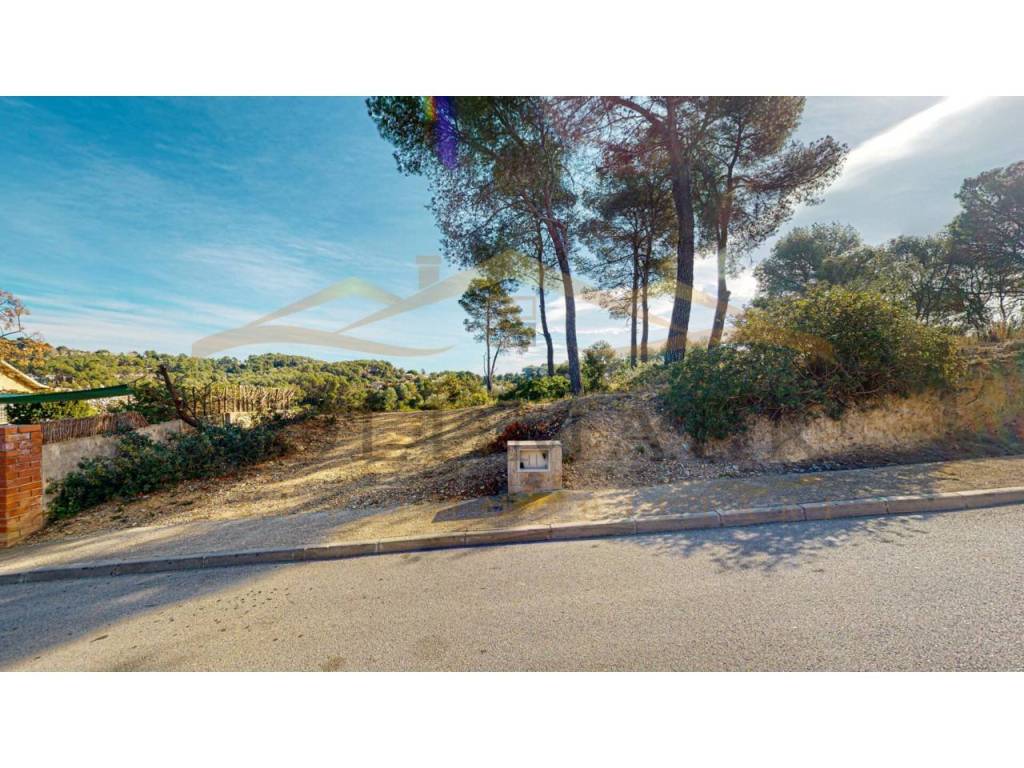
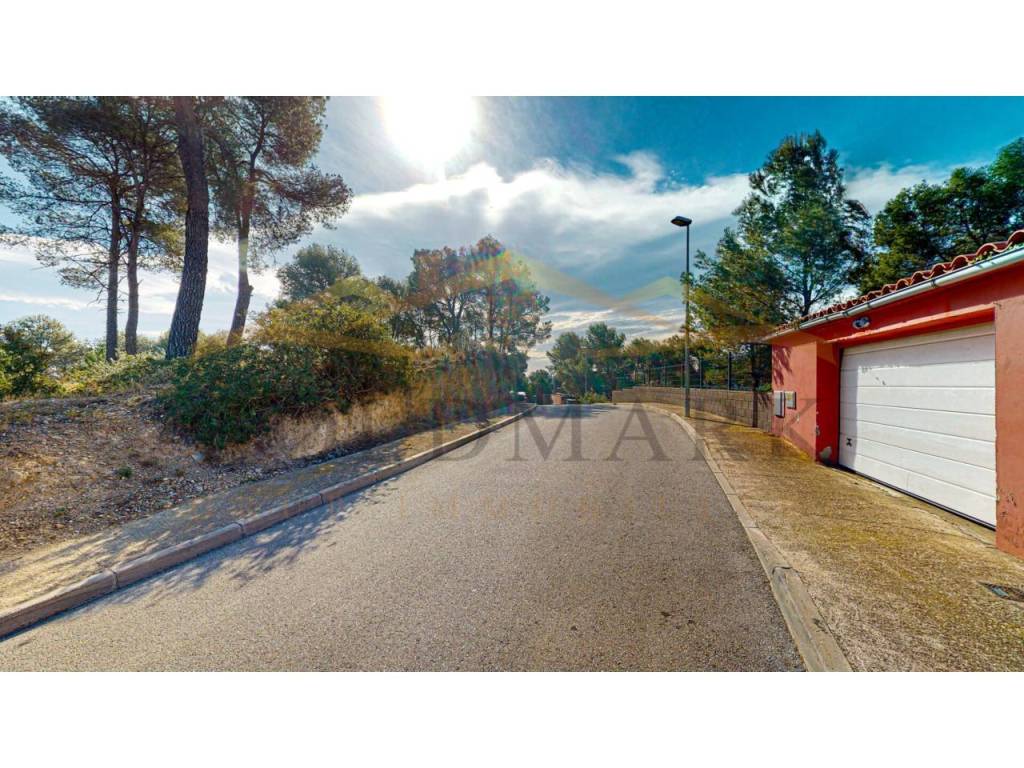
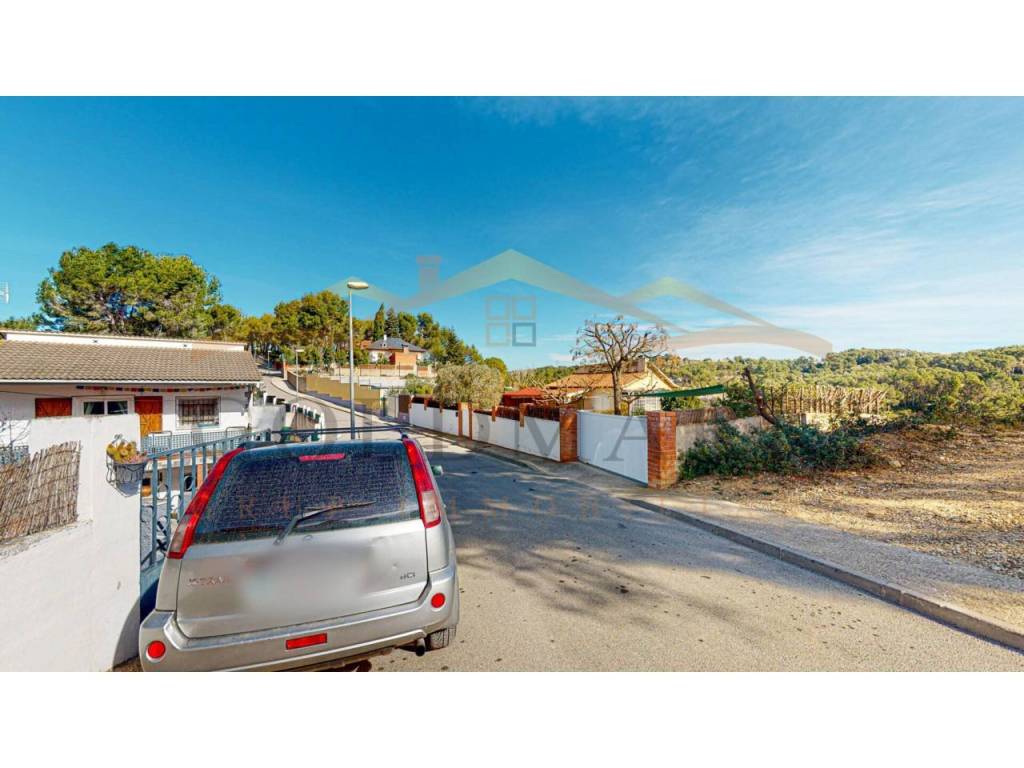
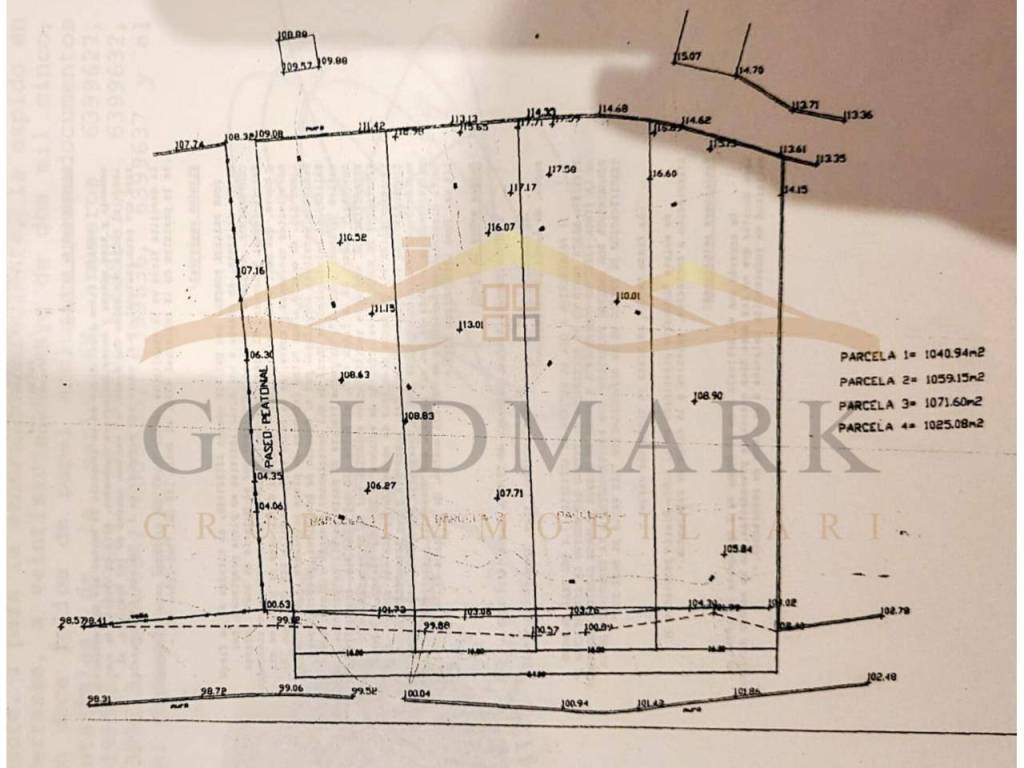
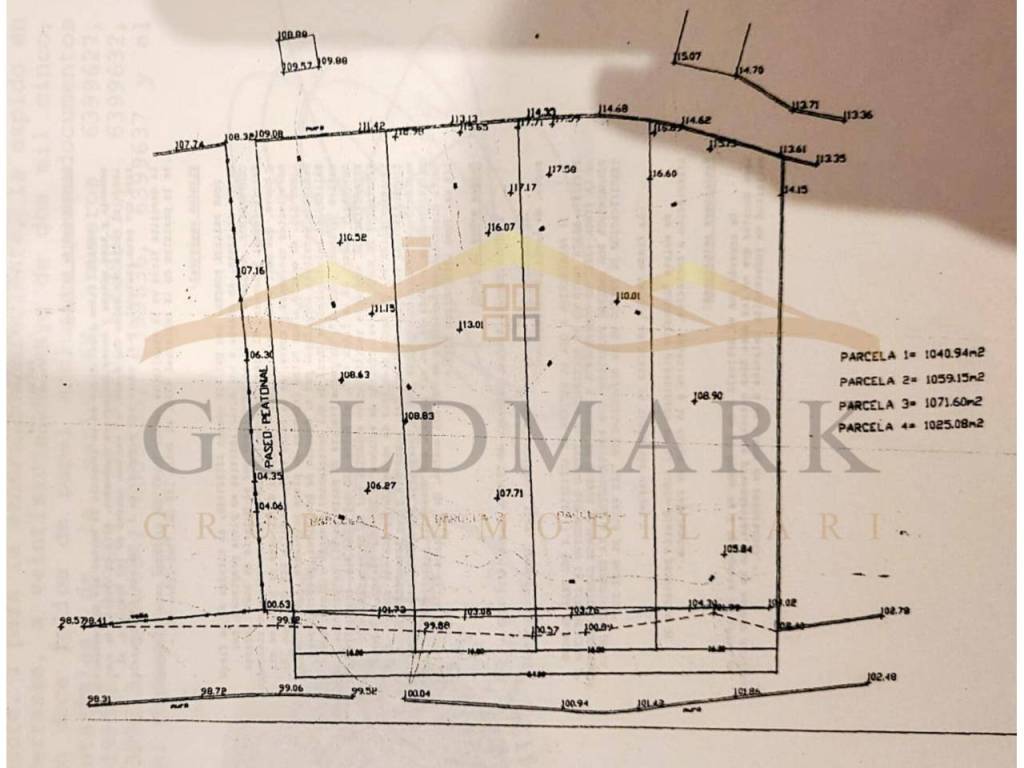
Plot 1,025 m2 wide 16m2 long 64m2, maximum buildable 358m2 205 m2 maximum occupancy (20%), ground floor + 1.6m maximum height, has 624m2 of free private land, not buildable
Rubí is a Spanish municipality in the province of Barcelona, located in the Vallés Occidental region, in Catalonia. It is located in the valley of the Riera de Rubí, and is bordered to the north by Tarrasa, to the east by San Quirico de Tarrasa, to the west by Castellbisbal and Ullastrell, and to the south by San Cugat del Vallés. With more than 74,000 inhabitants, Rubí is the fourth city in the Vallés Occidental in terms of population, after the two co-capitals (Sabadell and Tarrasa) and San Cugat; the twelfth in the province of Barcelona, the sixteenth in Catalonia and the hundredth in Spain. The current name according to historians comes from the name Rivo Rubeo, which has been found in some Roman remains. This name in Latin would be translatable by red stream in reference to the clay that the Rubí stream dragged along its bed. The first settlements date from the end of the 6th century BC. C. The population of the time was of layetan origins and is found in the ruins of the Iberian settlement of Can Fatjó. According to the latest archaeological currents, this could be Rubricata (Greek Ῥουβρίκατα), a layetan city on the banks of the Rubricatus river that was located by Claudio Ptolemy in the Tarraconensis already in the 2nd century. The city as such is of Roman origin, as attested by the many amphoras found in its territory. The belief about the origin of the name comes from its stream, the ancient Rubeo river for the Romans. The oldest written documentation that cites Rubí is from the year 986. The church of San Pedro (patron saint of the city) was built around the 10th century, like the castle (of Arab origin). In the shelter of both, farmhouses were built where the land was cultivated and later a stable urban nucleus around the church of Sant Pere. Monument to the victims of 1962. On September 25, 1962, the city of Rubí was involved in what is remembered as the greatest hydrological catastrophe in Spain. The Rubí stream overflowed, causing a disaster that caused 815 deaths (including missing persons) out of a total of 2,648 in all of Catalonia. The event occurred in less than two hours due to a sudden flooding of the Llobregat and Besós rivers and their tributaries in their lower course. 212 mm of precipitations were registered in less than three hours with a maximum intensity of 6 mm/min. A total of 441 dead, 374 missing and 213 injured were recorded, most of them from Tarrasa (Les Fonts) and Rubí residents. By cities, 90% of the total losses were distributed between Sabadell 40%, Tarrasa 30% and Rubí 20% approximately, the remaining 10% was distributed by the Besós basin and other specific places such as El Prat de Llobregat. These rains caused the different streams that come from Sant Llorenç del Munt and others, and join in Matadepera and Tarrasa, causing the subsequent overflow of the stream in the city of Rubí, thus causing the greatest number of victims and missing persons. The cause of the tragedy was the urbanization of the channels of Avenida de Rieras and Torrentes. In Rubí the stream recovered its old diverted channel in 1850 to safeguard the lower part of the population. This change in the course of the stream over the years was forgotten by the inhabitants and rulers of Rubí in part because it was done with earthworks and without civil works constructions. The old channel of the stream had been occupied by houses, especially since 1930. Some 105 houses located in this area called 'el Escardívol' disappeared in a few minutes on the night of September 25, 1962. To relocate those affected by the flood On June 28, 1964, coinciding with the Rubí festival, the civil governor inaugurated the “25 de Setembre” housing group; four 13-story towers and 43 4-story blocks, totaling 540 homes. Ca n'Oriol Park. Single-family homes have been built again since 1980 and, in the early years of the 21st century, apartment blocks in areas badly affected in 1962. Rubí has a total of 74,468 inhabitants, of whom 37,016 are men and 37,452 women, according to data from the municipal register. de Rubí (September 30, 2008). In 2007 it had 70,494 inhabitants. The city's population grew from the 3,000 inhabitants it had in 1860 to the 6,000 it stabilized from the 1930s to the 1960s, except for the decrease caused by the Spanish Civil War and subsequent exile. Population growth at this time is based on immigration from Catalonia. If at the beginning of the sixties Rubí barely exceeded 9,000 inhabitants
Rubí is a Spanish municipality in the province of Barcelona, located in the Vallés Occidental region, in Catalonia. It is located in the valley of the Riera de Rubí, and is bordered to the north by Tarrasa, to the east by San Quirico de Tarrasa, to the west by Castellbisbal and Ullastrell, and to the south by San Cugat del Vallés. With more than 74,000 inhabitants, Rubí is the fourth city in the Vallés Occidental in terms of population, after the two co-capitals (Sabadell and Tarrasa) and San Cugat; the twelfth in the province of Barcelona, the sixteenth in Catalonia and the hundredth in Spain. The current name according to historians comes from the name Rivo Rubeo, which has been found in some Roman remains. This name in Latin would be translatable by red stream in reference to the clay that the Rubí stream dragged along its bed. The first settlements date from the end of the 6th century BC. C. The population of the time was of layetan origins and is found in the ruins of the Iberian settlement of Can Fatjó. According to the latest archaeological currents, this could be Rubricata (Greek Ῥουβρίκατα), a layetan city on the banks of the Rubricatus river that was located by Claudio Ptolemy in the Tarraconensis already in the 2nd century. The city as such is of Roman origin, as attested by the many amphoras found in its territory. The belief about the origin of the name comes from its stream, the ancient Rubeo river for the Romans. The oldest written documentation that cites Rubí is from the year 986. The church of San Pedro (patron saint of the city) was built around the 10th century, like the castle (of Arab origin). In the shelter of both, farmhouses were built where the land was cultivated and later a stable urban nucleus around the church of Sant Pere. Monument to the victims of 1962. On September 25, 1962, the city of Rubí was involved in what is remembered as the greatest hydrological catastrophe in Spain. The Rubí stream overflowed, causing a disaster that caused 815 deaths (including missing persons) out of a total of 2,648 in all of Catalonia. The event occurred in less than two hours due to a sudden flooding of the Llobregat and Besós rivers and their tributaries in their lower course. 212 mm of precipitations were registered in less than three hours with a maximum intensity of 6 mm/min. A total of 441 dead, 374 missing and 213 injured were recorded, most of them from Tarrasa (Les Fonts) and Rubí residents. By cities, 90% of the total losses were distributed between Sabadell 40%, Tarrasa 30% and Rubí 20% approximately, the remaining 10% was distributed by the Besós basin and other specific places such as El Prat de Llobregat. These rains caused the different streams that come from Sant Llorenç del Munt and others, and join in Matadepera and Tarrasa, causing the subsequent overflow of the stream in the city of Rubí, thus causing the greatest number of victims and missing persons. The cause of the tragedy was the urbanization of the channels of Avenida de Rieras and Torrentes. In Rubí the stream recovered its old diverted channel in 1850 to safeguard the lower part of the population. This change in the course of the stream over the years was forgotten by the inhabitants and rulers of Rubí in part because it was done with earthworks and without civil works constructions. The old channel of the stream had been occupied by houses, especially since 1930. Some 105 houses located in this area called 'el Escardívol' disappeared in a few minutes on the night of September 25, 1962. To relocate those affected by the flood On June 28, 1964, coinciding with the Rubí festival, the civil governor inaugurated the “25 de Setembre” housing group; four 13-story towers and 43 4-story blocks, totaling 540 homes. Ca n'Oriol Park. Single-family homes have been built again since 1980 and, in the early years of the 21st century, apartment blocks in areas badly affected in 1962. Rubí has a total of 74,468 inhabitants, of whom 37,016 are men and 37,452 women, according to data from the municipal register. de Rubí (September 30, 2008). In 2007 it had 70,494 inhabitants. The city's population grew from the 3,000 inhabitants it had in 1860 to the 6,000 it stabilized from the 1930s to the 1960s, except for the decrease caused by the Spanish Civil War and subsequent exile. Population growth at this time is based on immigration from Catalonia. If at the beginning of the sixties Rubí barely exceeded 9,000 inhabitants
Features
- Contract
- Sale
- Type
- Building land
- Surface
- 1,025 m²
Price information
- Price
- € 120,000
- Price per m²
- 117 €/m²
Floorplan
Virtual tour
Discover every corner of the property
+20
Map

Additional options